
2024 Guide to Turnip Succession Planting for Winter Forage to Boost Yields
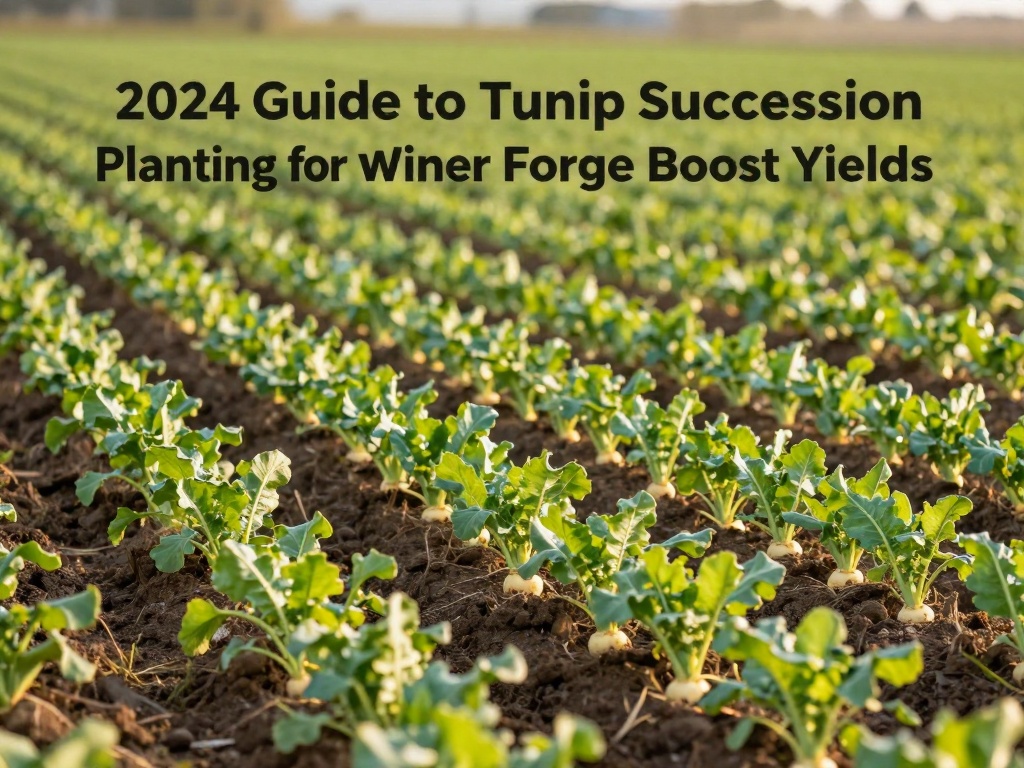
2024 Guide to Turnip Succession Planting for Winter Forage to Boost Livestock Feed Yields
Turnip succession planting for winter forage is a game-changing strategy for small-scale and commercial livestock farmers looking to eliminate gaps in winter feed supplies. Turnips are cold-hardy, nutrient-dense, and grow quickly, making them ideal for staggered plantings that produce continuous harvests. A 2023 USDA study found that properly spaced turnip plantings can increase winter forage availability by 45% compared to single plantings, reducing reliance on expensive stored hay.
Why Turnips Are the Top Choice for Winter Forage
Exceptional Cold Tolerance
Turnips can survive light frosts and even temperatures as low as 20°F (-7°C), with their foliage and roots remaining edible for grazing long after most summer annuals die off. This hardiness means late-season plantings can still produce high-quality feed well into December in most temperate U.S. zones. Turnips can even be stockpiled in fields for 4-6 weeks after maturity, extending their usability through early winter.
High Nutritional Value for Livestock
Turnips boast 15-20% crude protein in their leafy tops, with roots offering easily digestible energy for cattle, sheep, and goats. The University of Minnesota Extension confirms that turnip forage supports average daily weight gains of 1.5-2 pounds per head in grazing cattle, outperforming many common winter cover crops like rye or wheat straw. Turnips also require less fertilizer to grow than many other forage brassicas, cutting input costs for farmers.
The Core Schedule for Turnip Succession Planting for Winter Forage
Succession planting relies on staggering seeding dates to avoid a single, short harvest window, ensuring a steady supply of fresh forage as winter sets in. This approach prevents waste from over-mature, unpalatable turnips while eliminating gaps when feed stores run low.
Zone-Based Planting Windows
For USDA Hardiness Zones 5-7, the first turnip planting for winter forage happens 10 weeks before the first average frost, with subsequent plantings every 2 weeks for 6 weeks. For warmer Zones 8-9, plantings can extend until mid-October, as frost dates arrive much later. Cold Zone 4 farmers can plant their final succession crop 8 weeks before the first frost to ensure turnips reach maturity before deep freezes hit.
Seeding Rate and Depth for Optimal Growth
For each succession planting, use a seeding rate of 5-7 pounds per acre for broadcast seeding, or 2-3 pounds per acre for drilled seed. Plant seeds ½ inch deep to ensure proper germination, which typically occurs in 5-7 days in warm, moist soil. This spacing prevents overcrowding and ensures each turnip crop reaches full maturity before hard frosts hit, maximizing the usable forage from every planting.
Key Best Practices to Maximize Yields
Rotate Planting Locations to Prevent Pests
Turnips are part of the brassica family, so planting successive turnip crops in the same field can lead to a buildup of clubroot and flea beetles that destroy future yields. The University of Illinois Extension recommends rotating brassica plantings with grass or legume covers for at least 1 year before reintroducing turnips to the same plot. This simple step reduces pest pressure by 70% for most small-scale farms.
Test Soil and Amend Before Each Planting
Turnips thrive in well-drained soil with a pH of 6.0-7.0. Test soil 2 weeks before each succession planting to add nitrogen, phosphorus, and potassium as needed; turnips require high levels of phosphorus to develop strong, energy-dense roots. Adding a light layer of compost before each planting also improves soil moisture retention, which is critical for fast turnip growth in the cool fall months.
Frequently Asked Questions
How late can I plant turnips for winter forage?
Most temperate zones (Zones 5-7) support final turnip plantings 4 weeks before the first average frost. Late-planted turnips will produce smaller roots but abundant leafy forage that remains edible through early winter, making them a valuable backup feed source.
Can turnips be grazed directly in fields?
Yes, turnips are ideal for strip grazing, which reduces waste and allows livestock to access fresh forage gradually. The USDA recommends introducing livestock to turnip forage slowly over 7-10 days to avoid digestive issues from the crop’s high sugar content.
Do I need to irrigate succession turnip plantings?
If fall rainfall is less than 1 inch per week, supplement with irrigation to keep soil consistently moist. Turnips require steady moisture to mature quickly and avoid becoming woody or unpalatable for livestock, even in cool fall temperatures.
Can I mix turnips with other forage crops in succession plantings?
Yes, mixing turnips with oats or annual ryegrass can extend the forage window further, as grassy crops tolerate colder temperatures than turnips alone. The combination also reduces soil erosion and improves overall forage nutrition for grazing livestock.
No comments