
Chicken Feed Formulation for Backyard Layers: 2024 Essential Beginner’s Guide
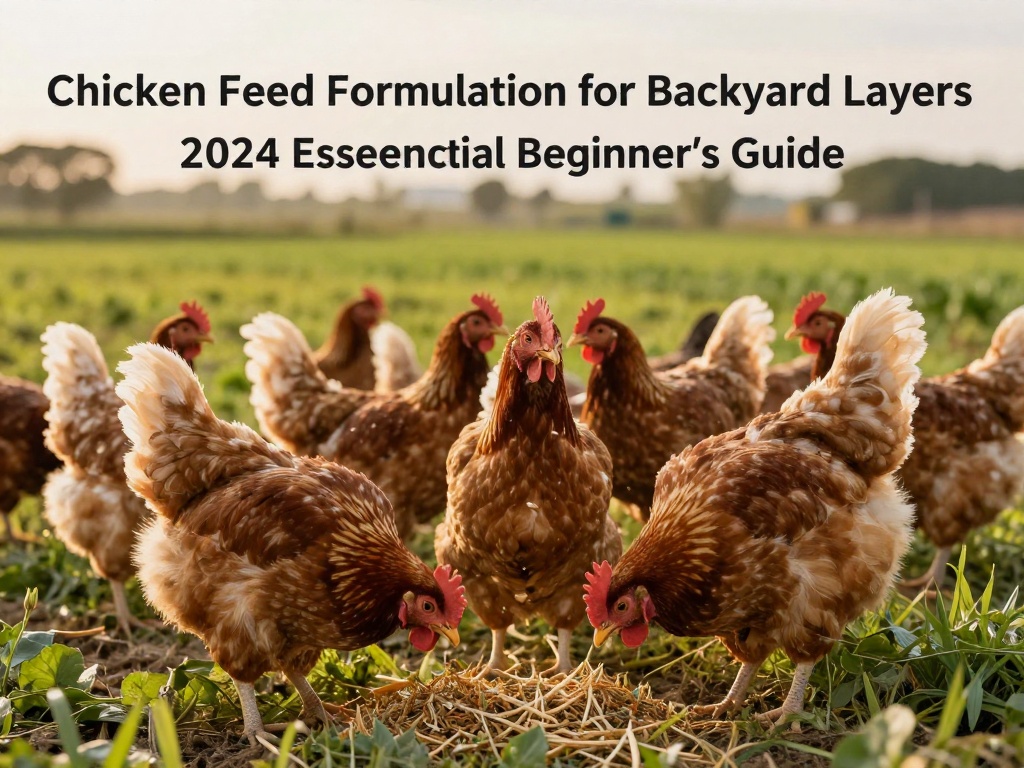
Chicken Feed Formulation for Backyard Layers: 2024 Essential Beginner’s Guide
If you raise backyard laying hens, mastering chicken feed formulation for backyard layers lets you skip overpriced commercial feeds, tailor nutrition to your flock’s needs, and avoid harmful additives common in bulk store brands. Most new backyard flock owners underestimate how much proper feed impacts egg quantity, shell strength, and long-term hen health. Formulating your own feed is far simpler than it sounds, even for beginners with limited storage and budget.
Core Nutrients Your Backyard Layers Need
Protein for Consistent Egg Production
Laying hens require 16-18% crude protein in their diet to produce one egg nearly every day, according to the University of Minnesota Extension. Plant-based protein sources ideal for backyard flocks include soybean meal, alfalfa meal, and dried lentils, which are easy to source in small quantities. Low-protein diets lead to reduced egg laying and weak feather growth, so this nutrient is non-negotiable.
Calcium for Strong Eggshells
Layers need 4-5% dietary calcium, most of which goes to building thick, crack-resistant eggshells, per the USDA’s National Agricultural Library. Oyster shell flour, limestone, and baked, crushed eggshells are affordable, accessible calcium sources. Even if you use a base commercial feed, supplementing extra calcium prevents thin-shelled eggs that break easily in the nest box.
Energy and Micronutrients for Overall Health
Carbohydrate sources like corn, wheat, and sorghum provide the energy hens need to forage, stay warm in cold weather, and maintain core bodily functions. Micronutrients like vitamin D, phosphorus, and selenium support calcium absorption and immune health. You can add small amounts of leafy greens, pumpkin seeds, or an affordable commercial vitamin premix to fill any nutrient gaps in homemade rations.
Simple Beginner’s Homemade Feed Formula for 10 Layers
This balanced, poultry-nutritionist-approved formula makes a 7-day batch for 10 average-sized laying hens, costing 30% less than commercial layer feed, per 2024 farm cost data from the USDA. You can adjust quantities proportionally if you have a smaller or larger flock.
- 10 lbs whole corn (60% of the batch, provides core energy)
- 3.5 lbs soybean meal (21% of the batch, adds high-quality protein)
- 1.5 lbs oyster shell flour (9% of the batch, delivers critical calcium)
- 1 lb alfalfa meal (6% of the batch, adds fiber and micronutrients)
- 0.5 lbs vitamin and mineral premix (4% of the batch, fills remaining nutrient gaps)
Mix all ingredients thoroughly in a clean, food-safe bucket, and store in an airtight container in a cool, dry place to prevent mold and pest infestations. Offer ¼ pound of feed per hen daily, alongside free access to fresh water and any forage your hens access in your yard.
Tips to Adjust Your Feed Formulation for Your Unique Flock
Adjust for Foraging Access
If your hens free-range and eat large amounts of grass, insects, and wild seeds, you can reduce the daily formulated feed allotment by 10% to avoid overfeeding. Hens that are fully confined with no access to forage need the full ¼ pound per day, plus occasional treats like mealworms to add enrichment and extra protein.
Tweak for Extreme Weather
In cold winter months, increase the corn content of your feed by 5% to give hens extra energy to maintain their body temperature, per Penn State Extension. In hot summer weather, add small amounts of electrolyte supplements or dried watermelon rinds to your feed to prevent dehydration and heat stress that can suppress egg production.
Address Specific Health Concerns
If you notice consistent soft or thin eggshells, add an extra 2% oyster shell to your next batch to boost calcium levels. If egg production drops unexpectedly, check your protein content and increase soybean meal by 3% to support reproductive health. Always test small changes to your feed over 1-2 weeks to monitor how your flock responds.
Frequently Asked Questions
Is homemade chicken feed cheaper than commercial layer feed?
On average, homemade layer feed costs 25-35% less than commercial organic layer feed in 2024, per USDA farm cost data. Even if you source small-batch ingredients from local farm stores, you’ll save money long-term, especially if you have a flock of 5 or more hens.
Can I use kitchen scraps as a replacement for formulated feed?
You can add small amounts of safe kitchen scraps (cooked grains, vegetable peels, non-citrus fruit scraps) to your formulated feed, but scraps should never make up more than 10% of your hen’s daily diet. Scraps lack the balanced protein, calcium, and micronutrients layers need to produce consistent, high-quality eggs, so they should only be used as treats, not base feed ingredients.
How long does homemade chicken feed stay fresh for backyard layers?
When stored in an airtight, cool, dry container, homemade chicken feed stays fresh for 4-6 weeks. Avoid mixing large batches that last longer than 6 weeks, as oil-rich ingredients like soybean meal can go rancid, leading to nutrient loss and potential health risks for your flock.
No comments