
7 Proven Flea Beetle Control Methods for Organic Kale (2024 Guide)
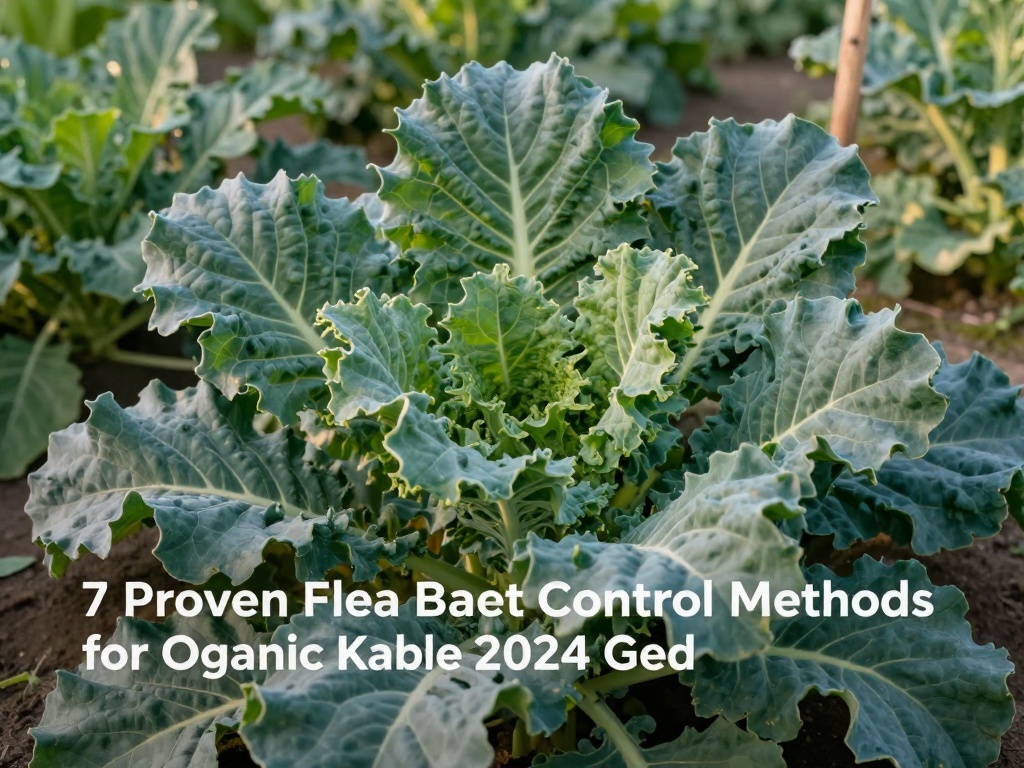
7 Proven Flea Beetle Control Methods for Organic Kale (2024 Guide)
Flea beetles are the top pest threat to organic kale, leaving tiny shot holes in leaves that ruin harvests and stunt plant growth. These tiny, jumping pests can decimate a young kale patch in as little as a week if left unmanaged, making reliable flea beetle control for organic kale a non-negotiable for home gardeners and small-scale farmers. The USDA reports that unmanaged flea beetle populations can reduce kale yields by up to 40%, so proactive, organic-safe strategies are critical to protecting your crop.
Why Flea Beetles Target Organic Kale Specifically
Flea beetles feed exclusively on brassica crops, a family that includes kale, cabbage, broccoli, and mustard. Young, tender kale leaves are their preferred host, as the soft foliage is easy to chew and supports their egg-laying cycle. Unlike conventional farms that use synthetic pesticides to repel flea beetles, organic growers rely on non-toxic interventions that align with organic certification standards.
What Flea Beetle Damage Looks Like
Early flea beetle damage appears as tiny, pinprick-sized holes scattered across young kale leaves. As infestations worsen, holes merge into large, ragged patches that prevent photosynthesis and can kill seedlings before they mature. Heavy infestations also leave kale vulnerable to secondary bacterial and fungal infections that spread through damaged leaf tissue.
7 Proven Organic Flea Beetle Control Methods for Kale
These science-backed methods have been tested by university extension programs to reduce flea beetle populations without synthetic chemicals, making them safe for organic kale production.
1. Install Floating Row Covers
Penn State Extension research found that properly installed floating row covers reduce flea beetle infestations by 90% in brassica crops. These lightweight, permeable fabrics are laid over kale rows at planting, sealed at the edges with soil or stakes to block adult beetles from accessing plants. Remove covers only for watering or harvesting to maintain protection.
2. Apply Cold-Pressed Neem Oil
Cold-pressed neem oil works as a natural repellent and growth disruptor, preventing adult flea beetles from feeding and laying eggs. Spray neem oil evenly on kale foliage every 7-10 days, and reapply after heavy rain. Avoid spraying neem oil in direct midday sun, which can cause leaf burn on tender kale plants.
3. Dust with Food-Grade Diatomaceous Earth (DE)
Food-grade diatomaceous earth is a non-toxic powder that desiccates the exoskeletons of adult flea beetles, killing them within 48 hours of exposure. Sprinkle a thin layer of DE around the base of kale plants and on the upper surface of leaves to create a barrier that repels and kills jumping beetles. Reapply DE after rain or irrigation.
4. Plant Trap Crops
Flea beetles prefer mustard and radish greens over kale, so plant these trap crops 2 weeks before your kale to draw pests away from your main crop. Once trap crops are heavily infested, pull them up and seal them in a garbage bag to destroy the population, preventing them from moving to your kale once trap crops expire.
5. Add Beneficial Nematodes to Soil
Beneficial nematodes are microscopic, organic-safe worms that hunt and kill flea beetle larvae in the soil before they mature into adults. University of Massachusetts Extension recommends applying nematodes to your garden soil in early spring, right as temperatures warm up, to target overwintering larvae. Nematodes are safe for pollinators and do not harm beneficial soil organisms.
6. Use Companion Planting to Repel Beetles
University of Arkansas research found that planting catnip, garlic, or tansy near kale reduces flea beetle visits by 75%. These aromatic plants release natural compounds that repel flea beetles, while also attracting pollinators that support your garden’s overall health. Plant companion plants in a border around your kale patch for maximum protection.
7. Deploy Yellow Sticky Traps
Yellow sticky traps placed 2 inches above kale foliage catch adult flea beetles as they jump between plants. Traps also help you monitor population levels, so you can deploy more intensive control methods if you notice a spike in beetle numbers. Replace sticky traps every 2-3 weeks, or after they become covered in pests.
Long-Term Strategies to Prevent Future Infestations
Beyond in-season control, these annual practices reduce flea beetle pressure in your garden for years to come.
Practice Crop Rotation
Never plant kale or other brassicas in the same garden spot for 3 consecutive years, as this breaks the flea beetle life cycle. Rotate kale with non-brassica crops like tomatoes, beans, or squash to eliminate the pest’s primary food source over the winter.
Complete Fall Garden Cleanup
Ohio State University data shows that removing all plant debris after harvest reduces overwintering flea beetle populations by 60%. Flea beetles lay eggs and hide in leaf litter over the winter, so raking and removing all dead kale and brassica foliage eliminates their overwintering habitat.
Frequently Asked Questions
How long do flea beetles damage kale crops?
Adult flea beetles live for 2-3 months, with females laying up to 200 eggs in soil near host plants. Infestations can last the entire growing season if unaddressed, causing damage from seedling emergence through harvest.
Are organic flea beetle control methods safe for pollinators?
Most organic methods, including row covers, companion planting, and nematodes, are completely pollinator-safe. If using neem oil, apply it in the early morning or evening when bees and other pollinators are not active to avoid accidental exposure.
Can I save a kale patch with heavy flea beetle damage?
Yes, if the plant’s root system remains healthy. Apply diatomaceous earth and neem oil to stop further damage, then add a balanced organic fertilizer to support new foliage growth. Remove heavily damaged leaves to redirect the plant’s energy to growing new, healthy kale leaves.
No comments