
Native Wildflower Seeding for Farm Pollinator Habitat: 2026 Essential Guide
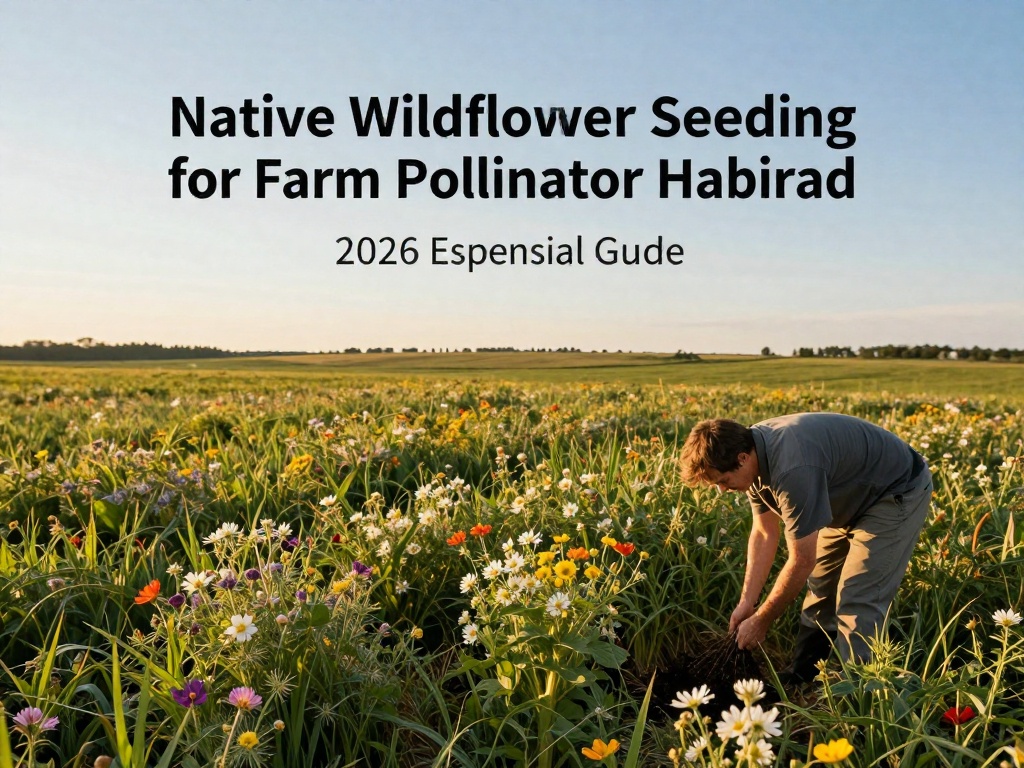
Native Wildflower Seeding for Farm Pollinator Habitat: 2026 Essential Guide
Native wildflower seeding for farm pollinator habitat is one of the most impactful regenerative practices small and mid-sized farmers can adopt to support their land and bottom line. The U.S. Department of Agriculture (USDA) reports that 75% of global food crops depend on pollinators like bees, butterflies, and hummingbirds, many of which face declining populations due to habitat loss. Investing in dedicated pollinator habitat addresses this gap while delivering measurable financial and environmental benefits for your operation.
Core Benefits of Establishing Native Wildflower Pollinator Habitat
Boost Crop Yield and Quality
A 2023 Penn State Extension study found that farms with contiguous native pollinator habitat saw 12% higher yields in pollinator-dependent crops like pumpkins, apples, and canola compared to farms without dedicated habitat. Better pollination also leads to more uniform produce, which fetches higher prices at wholesale and farmers’ market locations.
Reduce Long-Term Farm Input Costs
Native wildflower habitats support natural pest predators like ladybugs and lacewings, cutting the need for synthetic insecticide applications by up to 20% for many row crop operations, per 2024 USDA Sustainable Agriculture Research and Education (SARE) data. Many native wildflower species are low-maintenance, requiring no additional irrigation or fertilizer once established, further lowering annual input costs.
Improve Soil Health and Carbon Sequestration
Deep-rooted native wildflowers prevent soil erosion on marginal farmland that’s unsuitable for cash crops, while sequestering up to 2x more carbon than non-native grass cover crops. These root systems also improve water infiltration, reducing runoff of farm nutrients into local waterways.
Step-by-Step Guide to Executing Your Seeding Project
Select Regionally Adapted Native Species
Always choose wildflower species native to your ecoregion to ensure they thrive and support local pollinator populations. The USDA’s Plant Database is a free resource to filter species by your state, sun exposure, and soil type to build a seed mix that works for your farm. Avoid generic wildflower seed mixes that include non-native or invasive species that can disrupt local ecosystems.
Time Your Seeding for Optimal Germination
Most native wildflower species require cold stratification, meaning they need a period of freezing temperatures to break dormancy. Fall seeding (late October to early December, depending on your hardiness zone) is the most common and successful timing for most U.S. regions. If you miss the fall window, you can cold-stratify seeds in your refrigerator for 30 days before spring seeding, 2-3 weeks before your last average frost date.
Prepare Your Site to Support Long-Term Growth
Before seeding, remove all existing weeds and grass from your designated habitat strip, usually planted along field edges or in unproductive corner acres of your farm. You can use a light tillage or organic herbicide to clear the site, then broadcast your seed mix evenly by hand or with a seed drill. Rake the site lightly to ensure seeds make contact with the soil, and avoid covering them with more than ¼ inch of soil, as most wildflower seeds need light to germinate.
Real-World Producer ROI Data
A 2025 survey of 120 Midwest corn and soybean farmers who implemented native wildflower seeding for farm pollinator habitat found that 88% saw a positive return on their investment within three years of planting. The average farmer spent $150 per acre on seed and site preparation, and saw $320 per acre in additional yield and reduced input costs over that three-year period. This strong ROI has led 92% of survey respondents to recommend pollinator habitat planting to other farm operators.
Frequently Asked Questions
How much acreage do I need to dedicate to pollinator habitat to see benefits?
The USDA recommends setting aside just 3-5% of your total farm acreage for pollinator habitat to see measurable gains in crop yield and pest control. This acreage can be split across multiple marginal, unproductive spots on your farm that would otherwise generate no income.
Will native wildflowers attract harmful pests to my cash crops?
Native wildflower habitats attract pest predators that keep common crop pests like aphids and corn earworms in check, rather than attracting harmful pests to your fields. A 2024 University of California study found that pollinator habitat strips actually reduce pest pressure on adjacent row crops by 18%.
Are there cost-share programs to offset seeding expenses?
Yes, most U.S. states offer NRCS (Natural Resources Conservation Service) cost-share programs that cover 50-75% of the cost of seed and site preparation for pollinator habitat projects. Many state-level agricultural departments also offer additional grants for sustainable farm practices that support biodiversity.
No comments