
2024 Guide: Diatomaceous Earth for Chicken Mite Control That Actually Works
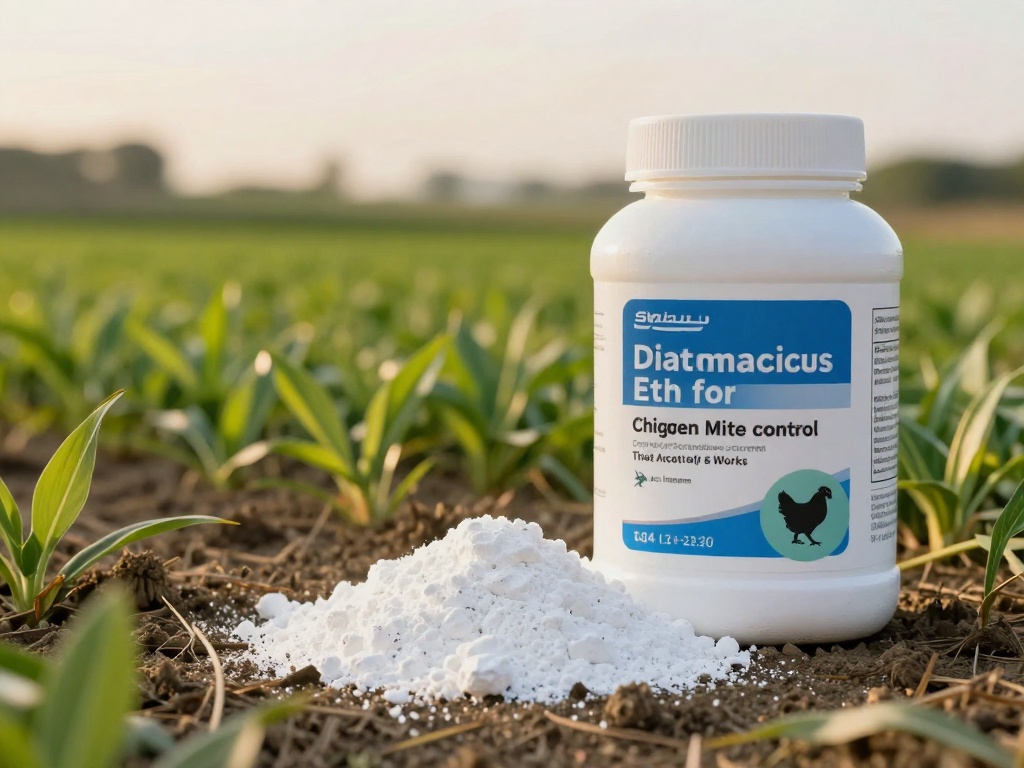
2024 Guide: Diatomaceous Earth for Chicken Mite Control That Actually Works
If you’re a backyard or small-scale poultry farmer, dealing with chicken mites can derail your flock’s health and egg production. Diatomaceous earth for chicken mite control is a popular, natural solution vetted by university extension experts for safe, effective pest management. Unlike harsh chemical pesticides, it poses minimal risk to chickens, humans, and beneficial insects when used correctly.
What Is Diatomaceous Earth, And How Does It Kill Mites?
Diatomaceous earth (DE) is a soft, sedimentary rock made from fossilized microscopic algae called diatoms. Only food-grade DE is safe for use around poultry; pool-grade DE is chemically treated and toxic to animals and humans.
The Science Behind DE’s Mite-Killing Power
Food-grade DE has sharp, microscopic edges that pierce the waxy exoskeleton of mites, ticks, and lice. This damage causes the pests to dehydrate and die within 48 hours of contact. The University of Minnesota Extension confirms that food-grade DE is approved for use in poultry housing to control invertebrate pests, with no risk of mites developing resistance.
How To Apply Diatomaceous Earth For Chicken Mite Control
Correct application is critical to maximize DE’s effectiveness while avoiding respiratory risks for your flock. Follow these step-by-step guidelines for best results.
1. Prep Your Coop First
Remove all old bedding, feed scraps, and debris from the coop before applying DE. Dispose of contaminated litter at least 50 feet from your flock’s range to prevent mites from spreading back. Wipe down roosting bars and nest boxes to remove any remaining mite eggs.
2. Apply DE To High-Risk Mite Hotspots
Dust a thin, even layer of DE only on surfaces where mites hide, rather than broadcasting it across the entire coop floor. Target these key spots:
- Undersides of roosting bars, where mites cluster during the day
- Cracks and crevices in coop walls and flooring
- Inside empty nest boxes
- Along the base of the coop to block soil-dwelling mites
A 2023 study from the University of Georgia found that targeted DE applications reduced mite populations by 92% within two weeks, compared to 78% for unfocused broadcast applications.
3. Reapply As Needed
DE loses all effectiveness once wet, so reapply a thin layer after heavy rain, deep coop cleans, or bedding changes. For ongoing prevention, reapply DE every 4 weeks during warm, humid months when mite populations peak.
Common Mistakes To Avoid
Even natural solutions like DE can cause harm if misused. Steer clear of these frequent errors to keep your flock safe.
Using Pool-Grade DE
Pool-grade DE is processed with high heat and added chemicals to filter pool water. It can cause severe respiratory damage in chickens and humans, and it is never safe for use around livestock. Only buy food-grade DE certified for organic agricultural use.
Over-Applying DE
A thick layer of DE or a fine dust cloud in the coop can irritate chickens’ lung tissue. Wear a disposable dust mask when applying DE to avoid inhaling particles yourself, and never apply DE directly near open feed or water sources.
Relying On DE For Severe Infestations
DE works best as a preventative treatment or for mild mite outbreaks. If you have a severe infestation, combine DE with other strategies: introduce predatory mite species that eat chicken mites, spray coop walls with diluted neem oil, and isolate infected birds to stop the spread.
Frequently Asked Questions
Is diatomaceous earth safe for laying hens and their eggs?
Yes, food-grade DE is safe for laying hens when applied correctly. The University of Illinois Extension confirms it leaves no harmful residues on eggs, so you can collect and consume eggs without risk, as long as you avoid applying DE directly to egg surfaces.
Can I mix DE in my chicken’s dust bath?
Yes, mixing 1 cup of food-grade DE into 5 gallons of dust bath material (sand, wood ash, and topsoil) is a safe, effective way to help chickens self-treat for mites. This low-concentration mix avoids respiratory risk while repelling pests.
How long does DE remain effective against chicken mites?
As long as DE stays dry, it remains effective indefinitely. Wet DE clumps together and loses its sharp microscopic edges, so it will not kill mites once it gets wet from rain, spillages, or high humidity.
No comments