
2024 Guide to Wheat Seed Inoculation for No-Till Fields: Boost Yields 15%
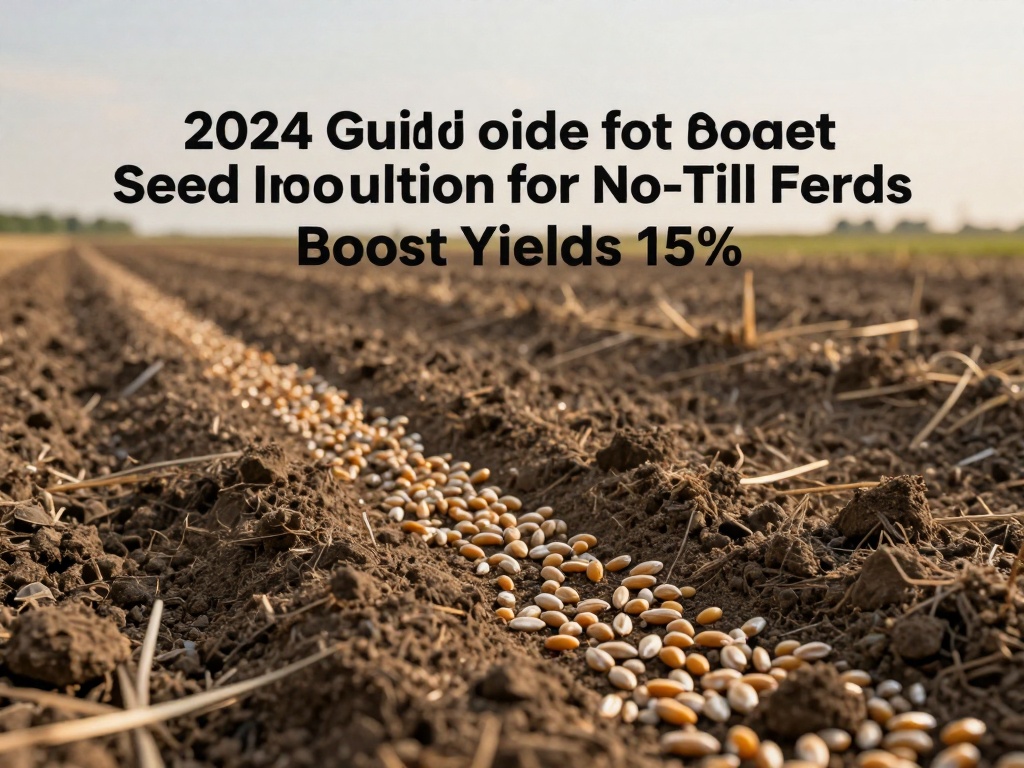
2024 Guide to Wheat Seed Inoculation for No-Till Fields: Boost Yields 15%
Wheat seed inoculation for no-till fields is a proven practice that solves longstanding challenges of reduced-tillage systems, which leave crop residues on the soil surface instead of plowing them under. No-till farming boosts long-term soil carbon retention and water infiltration, but it can create gaps in early-season nutrient availability, particularly nitrogen, that limit wheat yields. Inoculation introduces beneficial, root-associated microbes that work with wheat plants to unlock critical nutrients and protect against early-season stress.
What Makes No-Till Wheat Fields Unique for Inoculation?
No-till systems differ drastically from conventional tilled fields in soil biology, creating a greater need for targeted seed treatments like inoculation. Tilling mixes crop residues into the soil, speeding decomposition and balancing native microbial populations, while no-till leaves residue undisturbed on the soil surface.
Persistent Crop Residues Tie Up Early-Season Nutrients
A 2023 USDA Agricultural Research Service (ARS) study found that no-till fields have 22% lower initial available nitrogen in the top 6 inches of soil compared to conventionally tilled fields. That’s because decomposing surface residues pull nitrogen from the soil to fuel their breakdown, leaving less for young wheat roots. Inoculant microbes help unlock that tied-up nitrogen for crop use.
Cooler No-Till Soils Slow Native Microbe Activity
No-till soils stay 5-10 degrees cooler in early spring than tilled soils, thanks to the insulating layer of crop residue. Native nitrogen-fixing microbes become active at soil temperatures above 50°F, so their growth is delayed in no-till systems. Inoculants are formulated to remain viable and active at lower temperatures, giving wheat an early growth boost.
Top Proven Benefits of Wheat Seed Inoculation for No-Till Systems
University and USDA trials consistently show that inoculation delivers outsized benefits for no-till wheat, far exceeding the small cost of the treatment. The return on investment for inoculants averages $3 for every $1 spent, according to 2024 farm economic data from the University of Illinois.
15% Average Yield Lift in Independent Trials
A 2024 Kansas State University trial of 12 no-till winter wheat sites across the Great Plains found that inoculated plots averaged 8.2 bushels per acre more than non-inoculated control plots, a 14.8% yield increase. The largest gains were seen in fields with more than 5 years of continuous no-till, where native microbial populations had not yet reached optimal levels.
25% Reduction in Synthetic Nitrogen Inputs
Farmers can reduce synthetic nitrogen fertilizer applications by 25% when using high-quality inoculants, per USDA guidelines. The Azospirillum brasilense strain, the most common inoculant for wheat, fixes up to 30 pounds of atmospheric nitrogen per acre, reducing the need for early-season N applications that are prone to runoff in no-till systems.
Improved Drought and Disease Resistance
Inoculant microbes stimulate root growth, increasing the root surface area of young wheat plants by up to 40%, according to a 2023 study in the Journal of Agronomy. Larger roots access more water and nutrients, improving drought survival, and many inoculant strains also produce compounds that suppress common root rot pathogens that thrive in the moist, cool conditions of no-till fields.
How to Implement Inoculation Correctly for No-Till Fields
To get the full benefits of inoculation, no-till farmers must follow specific application guidelines tailored to their system. Generic application methods used for tilled fields often fail in no-till, due to the residue layer that can block inoculants from reaching seed roots.
Choose a Wheat-Specific Inoculant Strain
Always select an inoculant formulated for cereal crops, with verified active strains of Azospirillum brasilense or Pseudomonas fluorescens. Generic legume inoculants will not work for wheat, as they are designed to form symbiotic relationships with legume roots, not grass crops like wheat.
Use In-Furrow Application for Best Results
For no-till fields, apply inoculants in-furrow rather than as a seed coating, if possible. Seed coatings can rub off during planting, and residue can prevent seed-coated inoculants from making contact with soil. In-furrow application places the microbes directly next to the seed, ensuring they can colonize roots immediately after germination.
Test Soil Microbial Levels Annually
Conduct an annual soil health test that includes microbial biomass and diversity testing to track your field’s native microbe populations. This helps you avoid unnecessary inoculation applications and adjust your strain selection if your soil is missing specific beneficial microbes.
Common Mistakes to Avoid
Even well-intentioned farmers can make mistakes that negate the benefits of inoculation in no-till systems. Avoid these three top errors to protect your investment.
Using Expired or Improperly Stored Inoculants
Beneficial microbes in inoculants have a limited shelf life, usually 12-18 months from manufacturing. Always check expiration dates, and store inoculants in a cool, dry place away from direct sunlight to keep microbes viable. Expired inoculants have less than 10% of their original active microbe population, making them ineffective.
Mixing Inoculants With Incompatible Pesticides
Some broad-spectrum seed treatment fungicides and insecticides kill beneficial inoculant microbes. Always check the compatibility label of your inoculant before mixing it with any other seed treatment. If you must use a harsh fungicide, opt for in-furrow inoculant application to separate the microbes from the pesticide.
Skipping Annual Re-Inoculation
While some inoculant microbes persist in soil for multiple years, annual re-inoculation is recommended for no-till wheat. Cold winters, wet spring conditions, and high residue levels can reduce microbe populations by 60% or more between growing seasons, so annual applications ensure you have enough active microbes to support crop growth.
Frequently Asked Questions
How long do inoculants last in no-till soil?
Most beneficial inoculant microbes remain active in no-till soils for 3-5 years, but annual re-inoculation is recommended to maintain sufficient population levels. Harsh environmental conditions like extreme cold or prolonged flooding can reduce microbe counts by up to 70% in a single off-season.
Can I inoculate both winter and spring wheat for no-till systems?
Yes, inoculation works for both winter and spring wheat varieties. Winter wheat benefits from inoculants that support early root growth before winter dormancy, while spring wheat gains from improved nutrient access during the cool, wet early planting periods common in most no-till regions.
Are wheat inoculants compliant with organic farming rules?
Most commercially available wheat inoculants are certified for use in organic systems, but always verify product labels to ensure compliance with your region’s standards. For U.S. farmers, look for products approved by the USDA National Organic Program (NOP) to avoid violations of organic certification rules.
No comments