
Flame Weeding for Organic Vegetable Gardens: 7 Proven Tips & Benefits 2024
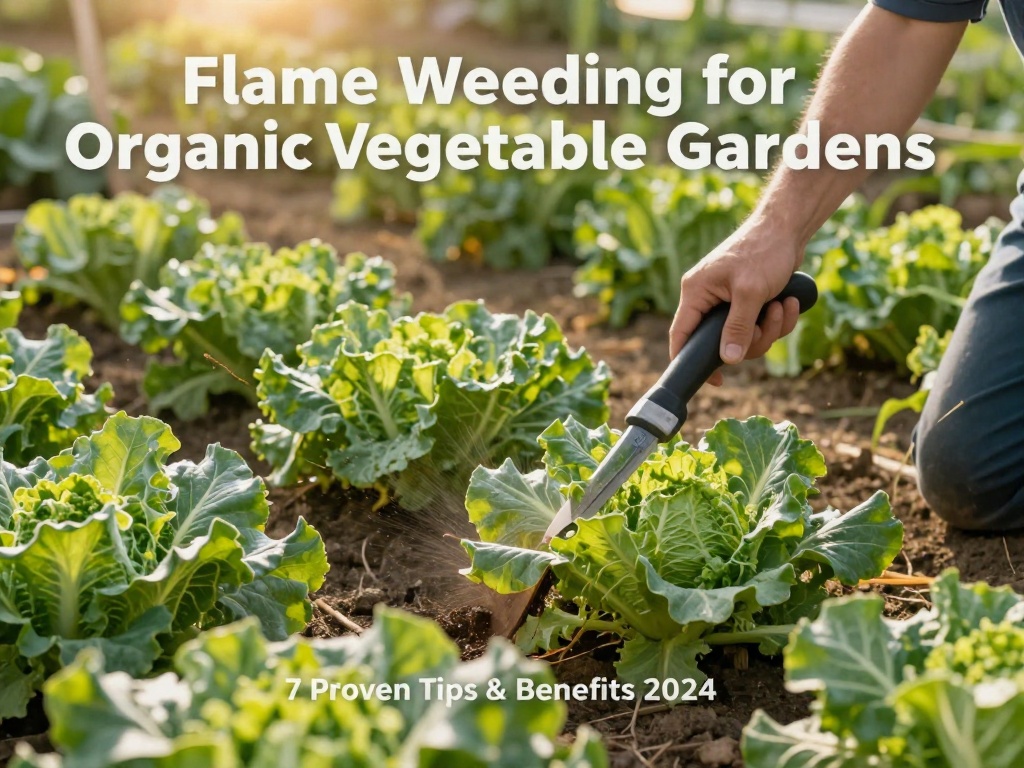
Flame Weeding for Organic Vegetable Gardens: 7 Proven Tips & Benefits 2024
Flame weeding for organic vegetable gardens is a chemical-free weed control method that uses controlled heat to kill unwanted plants before they compete with your crops. This practice aligns with USDA organic standards, making it ideal for small-scale and home gardeners who want to avoid synthetic herbicides. Unlike hand-pulling, it can clear large garden beds in a fraction of the time, reducing weekly maintenance labor.
What Is Flame Weeding, and How Does It Work?
Flame weeding relies on a portable propane torch to direct short bursts of heat at weed foliage, usually for 1-2 seconds per weed. The heat does not burn the weed to ash; instead, it ruptures the plant’s cell walls, causing the foliage to wilt and die within 24-48 hours. This method works best on young, broadleaf weeds that have not yet developed thick, waxy leaves or deep root systems.
Top 5 Benefits of Flame Weeding for Organic Growers
1. Complies with Strict Organic Certification Rules
The USDA National Organic Program prohibits most synthetic herbicides, making flame weeding a compliant, audit-safe solution for certified growers. Unlike store-bought weed killers that can leave residual chemicals in soil, flame weeding leaves no trace, preserving your garden’s organic status.
2. Cuts Weeding Time by 70%
A 2023 study from the University of Minnesota Extension found that flame weeding reduces weekly weeding time by 70% compared to hand-pulling for 1,000 sq ft vegetable gardens. Home gardeners can clear a standard 4x8 raised bed in less than 10 minutes, freeing up time for planting, harvesting, and other critical tasks.
3. Kills Weed Seeds Before They Germinate
Flame weeding is especially effective as a pre-emergent treatment before planting vegetable seeds or transplants. Per Oregon State University Extension data, the heat can kill surface-level weed seeds, preventing up to 60% of future weed growth. This reduces the number of weeds you need to manage throughout the entire growing season.
4. Preserves Soil Health
Unlike tilling, which can disrupt soil structure and damage beneficial soil organisms, flame weeding only affects the top layer of plant matter. It does not disturb earthworm habitats or the root systems of nearby established vegetable crops when used correctly. You can even use it between rows of mature, heat-tolerant crops like tomatoes or peppers without risking damage.
5. Bypasses Herbicide Resistance
The Weed Science Society of America reports more than 50 U.S. weed species have developed resistance to common synthetic herbicides. Flame weeding eliminates this risk entirely, providing a reliable long-term weed control solution for organic gardens.
3 Essential Pro Tips for Safe, Effective Flame Weeding
Flame weeding is low-risk, but following best practices ensures you avoid damaging your crops or starting accidental fires.
1. Only Target Seedling-Stage Weeds
Wait to flame weed until weeds are no taller than 3 inches. Mature weeds with deep taproots will survive heat treatment, requiring a second pass that wastes time and fuel. Seedling weeds have thin cell walls that are far more susceptible to heat damage.
2. Prioritize Safety At All Times
Keep the torch flame at least 12 inches away from the stems and foliage of your vegetable plants. Check local fire restrictions before using a torch, and keep a 5-gallon bucket of water or Class B fire extinguisher on hand. Never use flame weeding on dry, flammable mulch like straw or pine needles.
3. Time Treatments for Best Results
Flame weed on a cool, cloudy day when weeds hold excess moisture, which makes them more vulnerable to cell rupture. For pre-planting treatments, flame weed your beds 3-7 days before sowing vegetable seeds to let the soil cool completely. Avoid flame weeding when pollinators are active in your garden.
Frequently Asked Questions
Is flame weeding safe for all organic vegetable gardens?
Flame weeding is safe for most established organic gardens, but it should not be used near young, tender transplants that can be damaged by radiant heat. It is also not recommended for gardens with permanent dry mulch that cannot be wetted before treatment.
Can I use any propane torch for flame weeding?
While basic propane torches work for small gardens, specialized flame weeders with long handles and wide flame spreaders are designed for garden use, reducing the risk of accidental crop damage. Most entry-level flame weeders cost less than $100 at major garden supply retailers.
Does flame weeding harm beneficial insects in my garden?
When used correctly, flame weeding only affects surface-level weed foliage, so most beneficial insects like ladybugs or ground-nesting bees are unharmed. To further reduce risk, avoid flame weeding during midday when pollinators are actively foraging in your garden.
No comments