
Oat Cover Crop for Winter Pasture Grazing: 2024 Guide to Boost Forage Yields
Oat Cover Crop for Winter Pasture Grazing: 2024 Guide to Boost Forage Yields
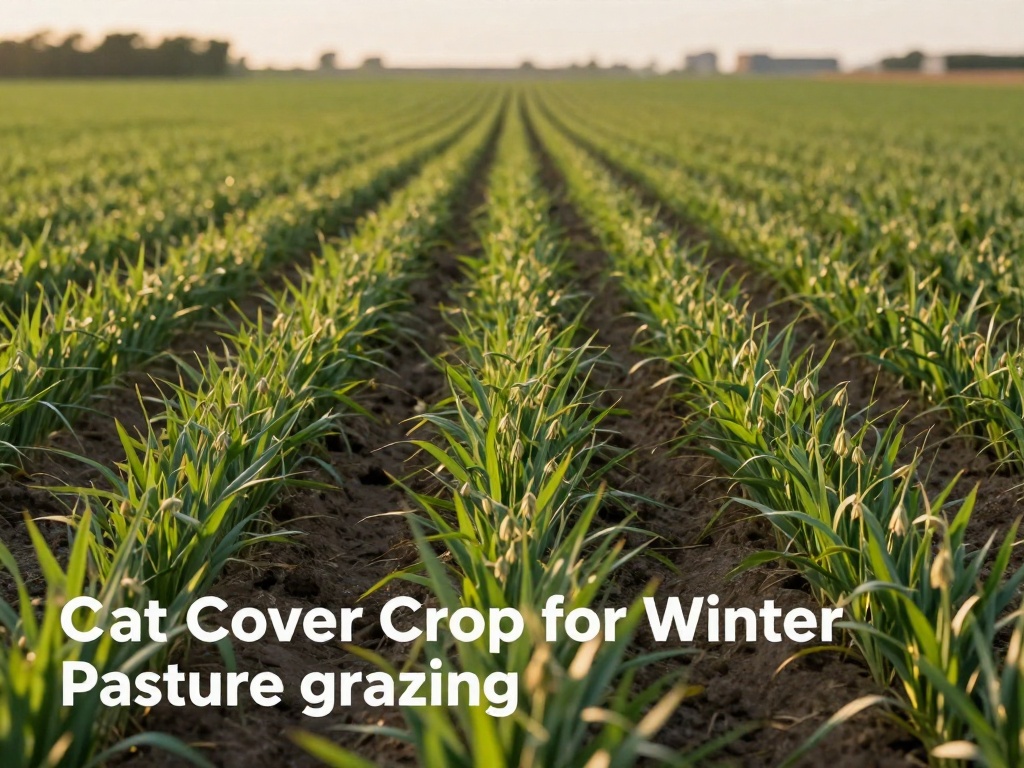
An oat cover crop for winter pasture grazing is a dual-purpose solution that solves two of the most common pain points for livestock farmers: limited winter forage supply and degraded soil health. University of Illinois Extension data shows that oat cover crops can produce up to 2 tons of dry matter forage per acre by late winter, enough to support 10-12 mature cattle for two weeks. This fast-growing grass establishes quickly in fall, even after late summer cash crop harvests, making it accessible for most midwestern and eastern U.S. farm operations.
Core Benefits of Oat Cover Crops for Winter Grazing
High-Quality, Nutrient-Dense Forage
Oats are a high-protein forage, with crude protein levels ranging from 12-16% when grazed at the boot stage, according to Penn State Extension. That’s higher than many common winter forages like ryegrass, which averages 10-13% crude protein for late-season grazing. Livestock gain weight consistently on oat forage, reducing the need for expensive supplemental feed throughout the cold months.
Proven Soil Health and Erosion Control
Beyond livestock benefits, oat cover crops protect bare winter soils from wind and water erosion, which costs U.S. farmers an estimated $44 billion annually in lost soil productivity, per the USDA. Oats’ fibrous root system holds topsoil in place, while above-ground biomass absorbs excess nutrients like nitrogen and phosphorus, preventing runoff into local waterways. When grazed, trampled oat residue breaks down quickly, adding critical organic matter to soil by spring.
Low Establishment Cost and Flexible Rotation
Oat seed costs an average of $0.30-$0.50 per pound, 30-50% cheaper than alternative winter forage cover crops like triticale or annual ryegrass. Farmers can plant oats as late as mid-September in most temperate zones, making it easy to fit into a rotation after corn, soybean, or vegetable harvests. Oats also winter-kill in most climates with sustained temperatures below 10°F, eliminating the need for chemical termination in spring before planting cash crops.
Step-by-Step Guide to Planting and Managing Oat Cover Crops
Seeding Rates and Optimal Timing
For maximum forage production, seed oats at a rate of 2-3 bushels per acre (120-180 pounds per acre), per University of Minnesota Extension guidelines. Plant 4-6 weeks before your area’s first average frost date to give the crop enough time to establish before cold weather slows growth. In southern zones with mild winters, you can plant as late as mid-October to extend grazing into early spring.
Best Practices for Grazing Management
Wait to graze your oat cover crop until it reaches 8-10 inches tall, typically 6-8 weeks after planting. Use a strip-grazing system to limit livestock access to 1-2 days of forage at a time, which prevents overgrazing and reduces feed waste. Leave a 3-4 inch residual stubble after grazing to protect soil from erosion and support any regrowth in mild winter climates.
Soil Fertility Requirements for Optimal Yields
Oats thrive in well-drained soils with a pH between 6.0 and 7.0. Conduct a soil test before planting to address any nutrient gaps; most oat stands require 50-70 pounds of nitrogen per acre to reach full forage potential. Legumes like clover or hairy vetch can be mixed with oats to add natural nitrogen, boosting forage production and reducing commercial fertilizer costs.
Frequently Asked Questions
Can oat cover crops be grazed in all USDA hardiness zones?
Oats work best for extended winter grazing in zones 6 and warmer, where winter temperatures stay above 0°F for most of the season. In zones 4-5, oats can still be planted for late fall grazing before they winter-kill, providing valuable forage before permanent pastures go dormant. In zone 3 and colder, oats don’t establish long enough for meaningful winter grazing, so farmers should opt for winter-hardy alternatives like triticale.
Do oat cover crops pose a bloat risk to grazing cattle?
Oats have a very low bloat risk compared to legume-heavy forages, though rare cases can occur if cattle are turned out hungry on lush, immature oat growth. To mitigate any risk, fill cattle up on dry hay before first turning them out onto oat pastures, and avoid grazing oats that are less than 6 inches tall. This simple precaution eliminates almost all bloat risk for most livestock operations.
Can I mix oats with other cover crops for winter grazing?
Yes, oats are one of the most versatile cover crops for mixed species stands. They are commonly paired with hairy vetch, crimson clover, or annual ryegrass to boost forage quality and extend the grazing window. The mix balances the fast fall establishment of oats with the winter hardiness of vetch or ryegrass, providing consistent forage later into the spring than a single-species oat stand can support.
No comments