
2024 Complete Guide to Clover Seeding for Goat Pasture Fertility
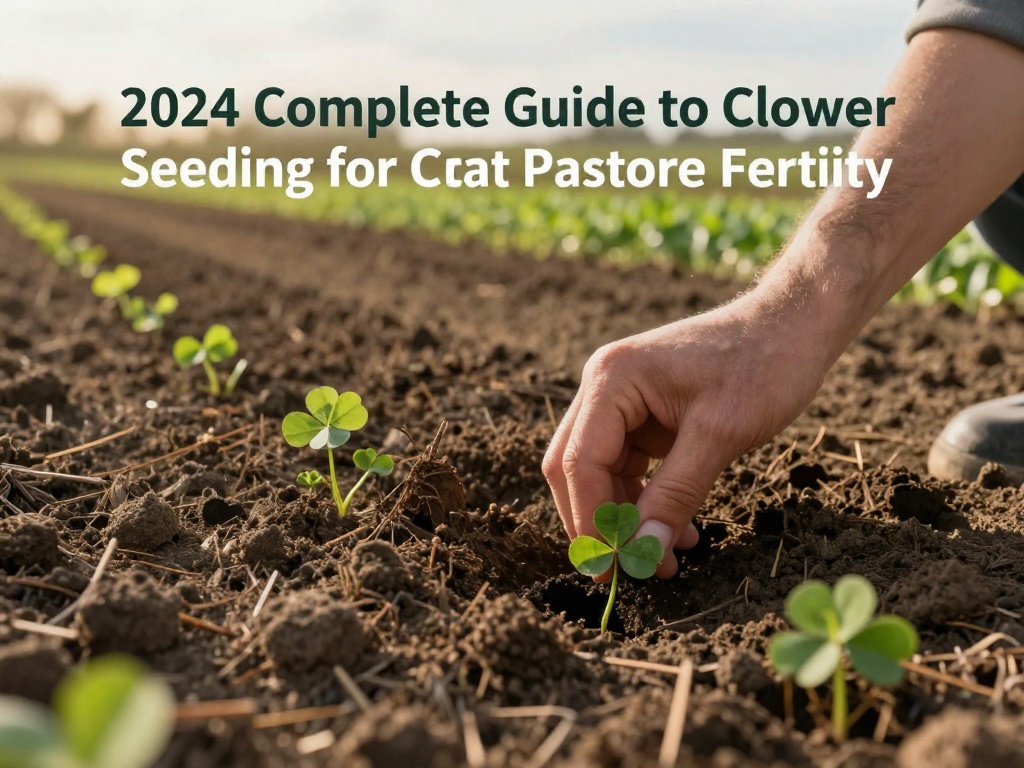
2024 Complete Guide to Clover Seeding for Goat Pasture Fertility
Clover seeding for goat pasture fertility is a proven, low-input strategy that transforms underperforming grazing lands into nutrient-dense forage sources for small and large goat herds alike. University of Georgia Extension data notes that pastures with 30-40% clover content reduce supplemental feed costs by up to 25% for meat and dairy goat operations. Unlike synthetic fertilizers, clover fixes atmospheric nitrogen, feeding surrounding grasses and improving soil health long-term.
Why Clover Is Ideal For Goat Pasture Systems
Nitrogen Fixation That Cuts Input Costs
Clover is a legume, meaning it forms a symbiotic relationship with soil bacteria called rhizobium to pull nitrogen from the air and store it in its root nodules. This process naturally adds 100-150 pounds of nitrogen per acre to pasture soil each year, per USDA Natural Resources Conservation Service (NRCS) data. That eliminates the need for most annual synthetic nitrogen applications, cutting farm input costs significantly.
Nutrient-Dense Forage For Goat Health
Clover contains 16-28% crude protein, which is nearly double the protein content of common pasture grasses like fescue or bermudagrass. This high protein content supports healthy growth in meat goats, consistent milk production in dairy goats, and strong immune function across all herd types. Clover is also highly palatable, encouraging goats to graze evenly and avoid overgrazing less desirable plant species.
Reduced Parasite And Weed Pressure
Goat owners often report fewer internal parasite issues in pastures with high clover content, as clover’s rapid growth and short grazing height limit parasite larvae exposure. Clover also forms a dense ground cover that suppresses common pasture weeds like thistle and pigweed, reducing the need for herbicides. A 2023 study from Penn State Extension found that clover-integrated pastures reduced weed biomass by 60% compared to grass-only pastures.
Step-By-Step Clover Seeding Best Practices
Choose The Right Clover Variety For Your Climate
Not all clover varieties thrive in every growing zone, so select a type that matches your region’s temperature, rainfall, and grazing patterns. Top varieties for goat pastures include:
- White clover (Trifolium repens): Cold-hardy for USDA zones 4-9, tolerates the close grazing that goats prefer, ideal for permanent pastures
- Red clover (Trifolium pratense): Higher protein content, suited for zones 3-8, works best in rotational grazing systems
- Arrowleaf clover (Trifolium vesiculosum): Warm-season variety for southern US pastures, drought-tolerant and resistant to root rot
Prep Your Pasture For Successful Germination
Clover seeds need direct soil contact to germinate, so prep existing pastures by mowing existing grass to 3 inches or less and lightly harrowing the soil surface to create small furrows. If you are seeding a new pasture, test your soil pH first—clover thrives in soil with a pH between 6.0 and 7.0. Amend acidic soil with lime 3-6 months before seeding to adjust pH levels.
Plant At The Optimal Time And Seeding Rate
For most temperate regions, plant clover in late summer or early spring to avoid extreme heat that can stress young seedlings. The ideal seeding rate varies by variety: use 2-3 pounds of white clover per acre, 8-10 pounds of red clover per acre, and 10-15 pounds of arrowleaf clover per acre. Mix clover seed with a grass seed like timothy or orchardgrass to create a balanced, resilient pasture system.
Long-Term Maintenance To Maximize Fertility
To keep your clover stand healthy and productive, implement a rotational grazing schedule that allows goats to graze pastures down to 3 inches, then rest the pasture for 3-4 weeks to let clover regrow. Avoid overgrazing, which can kill clover plants and allow weeds to take over. Every 2-3 years, overseed thin areas of the pasture with additional clover to maintain the 30-40% clover content that delivers maximum fertility benefits.
Test your soil annually to monitor nitrogen levels and adjust any additional amendments as needed. Clover’s nitrogen contribution will continue to improve soil fertility for 5-7 years after the initial seeding, making it a long-term investment in your herd’s productivity.
Frequently Asked Questions
What clover varieties are safest for goats?
White, red, and arrowleaf clover are all safe for goat consumption when managed properly. Avoid alsike clover, which can cause liver damage in goats if consumed in large quantities over extended periods. Stick to regionally adapted varieties to minimize any health risks.
How long does it take for clover to improve pasture fertility?
Clover begins fixing nitrogen within 6-8 weeks of germination, so you will see initial improvements in grass growth within the first growing season. Full soil fertility benefits, including increased organic matter and long-term nitrogen storage, develop over 2-3 years of a healthy, well-maintained clover stand.
Can I seed clover into an existing goat pasture?
Yes, broadcast or no-till seeding works well for adding clover to established pastures. Prep the pasture by mowing grass short and harrowing lightly to create soil contact, then broadcast seed before a predicted rain to help seeds settle. Overseeding existing pastures every 2-3 years maintains a productive clover population.
No comments