
2024 Complete Tomato Cage Setup for Indeterminate Varieties: Step-by-Step Guide
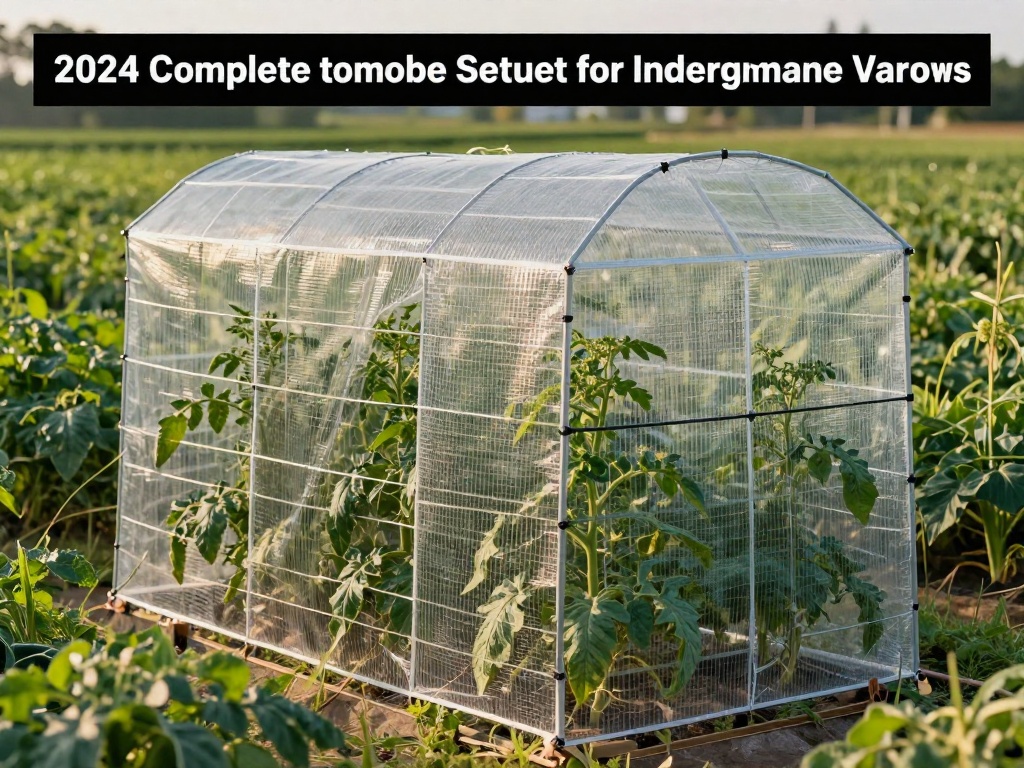
2024 Complete Tomato Cage Setup for Indeterminate Varieties: Step-by-Step Guide
Indeterminate tomato varieties grow continuously throughout the growing season, often reaching 6 to 10 feet tall, which makes proper tomato cage setup for indeterminate varieties non-negotiable for healthy, high-yielding plants. Unlike determinate (bush) tomatoes that stop growing at a set height, indeterminate types produce fruit until the first frost, putting consistent weight on their stems that can easily break without sturdy support. A well-built cage also improves air circulation, reduces fungal disease risk, and makes harvesting ripe tomatoes far easier.
Why Indeterminate Tomatoes Need Specialized Caging
They Grow Far Larger Than Bush Varieties
Indeterminate tomatoes can hit 12 feet in ideal growing conditions, per data from the University of Minnesota Extension. Standard 3-foot store-bought cages for determinate tomatoes won’t come close to supporting this growth, leading to floppy stems that drag on the ground. Exposed stems are vulnerable to pests, rot, and damage from lawn equipment or storm winds.
Continuous Fruit Production Adds Steady Weight
Indeterminate varieties set new fruit clusters every 2 to 3 weeks throughout the season, so the weight on your plants will keep increasing long after you first plant them. A flimsy cage can buckle mid-season, destroying months of growth in a single heavy rain or gust of wind. Specialized caging distributes this weight evenly across all stems to prevent breakage.
Step-by-Step Tomato Cage Setup for Indeterminate Varieties
1. Choose the Right Cage Material and Size
Start by selecting a cage that’s at least 7 feet tall, with a 2-foot diameter to accommodate full growth. Popular materials include galvanized steel wire (long-lasting, weather-resistant), reinforced concrete mesh, or heavy-duty plastic. The University of California Agriculture and Natural Resources department recommends cages with 6-inch openings to make harvesting easy without damaging stems.
2. Install Cages at Planting Time to Avoid Root Damage
Never wait until your tomato plants are large to set up cages. Install cages within 24 hours of transplanting your indeterminate seedlings into your garden or raised bed. Push the cage 6 to 8 inches into the soil to anchor it firmly, ensuring it sits 2 to 3 inches away from the seedling’s stem to avoid damaging young roots.
3. Secure Stems to the Cage as They Grow
Once your plants reach 1 foot tall, start tying main stems to the cage using soft plant ties, old fabric strips, or twine. Space ties every 12 inches up the stem, and avoid wrapping them too tight to leave room for the stem to thicken as it grows. Prune any excess suckers that grow between main stems to reduce excess weight and improve air flow through the cage.
4. Add Extra Support for Heavy Fruit Loads
If you’re growing large-fruited indeterminate varieties like beefsteak, add an 8-foot wooden T-post next to your cage to add extra stability. Secure the cage to the T-post with metal wire to prevent it from tipping over. You can also add ties to individual heavy fruit clusters to prevent them from snapping off before they ripen.
Key Tips to Maximize Your Caging Success
Space all cages in rows with 4 feet of distance between each cage to give plants full access to sunlight. Prune suckers regularly to avoid overcrowding the cage, which can block air flow and increase the risk of blight. Inspect your cages every 2 weeks to check for loose ties or shifting posts, and make adjustments before storms hit to prevent damage.
A 2023 study from Ohio State University found that properly caged indeterminate tomato plants produced 25% more marketable fruit than uncaged plants, thanks to reduced pest and disease pressure. This data confirms that investing time in a proper setup delivers tangible returns for home and small-scale commercial growers alike.
Frequently Asked Questions
Can I use a trellis instead of a cage for indeterminate varieties?
Yes, trellises work well for indeterminate tomatoes, but cages offer 360-degree support that reduces the risk of stem breakage, especially for heavy-fruited varieties. Trellises require more consistent training of stems to grow along the support, while cages hold stems in place naturally with regular tying.
How long do tomato cages for indeterminate varieties last?
Galvanized steel or concrete mesh cages can last 10+ years with proper off-season storage. Plastic cages typically last 3 to 5 years before they crack or degrade from sun exposure. Always clean cages between seasons to remove any disease spores that could infect next year’s crop.
What if I don’t have space for a 7-foot tall cage?
If you have limited vertical space, you can prune your indeterminate tomato to a single main stem and top it at 5 feet tall to limit growth. This reduces the support needed, but it will also lower your total yield, so plan accordingly. You can also grow compact indeterminate varieties in large patio containers with smaller, heavy-duty cages for small-space gardens.
No comments