
2024 Sweet Potato Slip Planting for Sandy Soils: Boost Yields by 30%
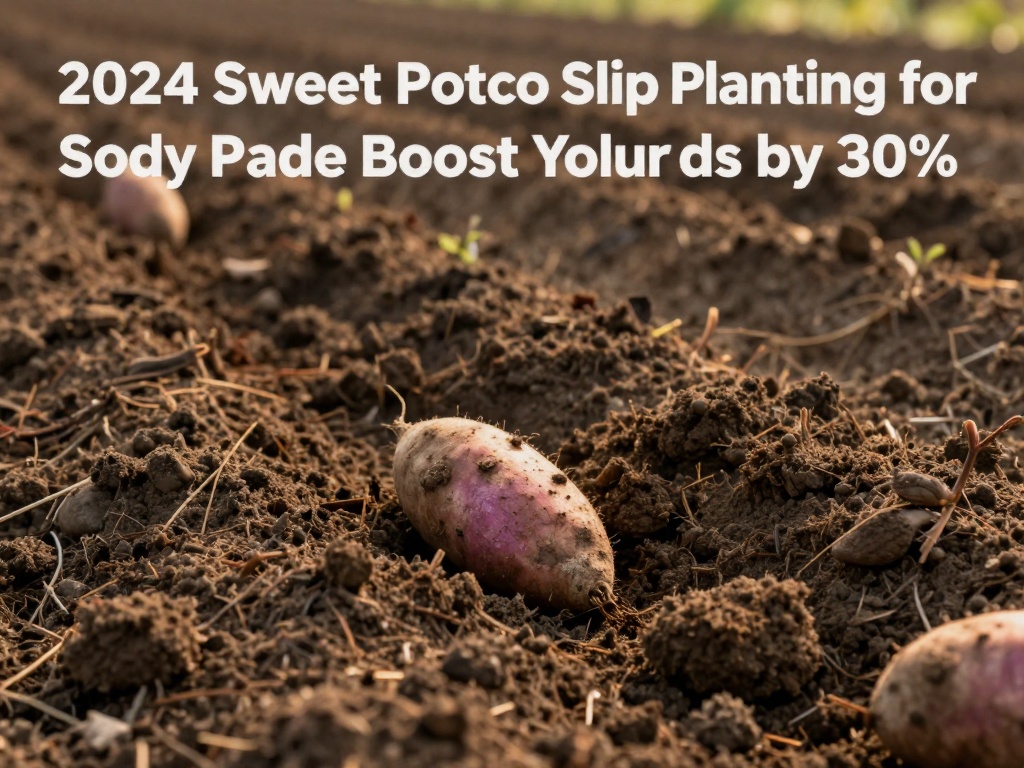
2024 Sweet Potato Slip Planting for Sandy Soils: Boost Yields by 30%
Sweet potato slip planting for sandy soils is a game-changing way to grow high-yielding root vegetables even in low-organic-matter growing conditions. Sandy soils drain fast, which avoids the rot that plagues sweet potatoes in heavy clay, but they also require targeted adjustments to retain moisture and nutrients. University of Georgia Extension data notes that properly amended sandy soil can support sweet potato yields of up to 300 bushels per acre, matching or exceeding loam soil harvests.
Why Sandy Soils Are Ideal (And Challenging) For Sweet Potatoes
Key Benefits Of Sandy Soil For Sweet Potato Growth
Sweet potatoes thrive in well-drained soil, and sandy soils naturally meet this non-negotiable requirement. Unlike heavy clay that holds excess moisture after rain or irrigation, sandy soils prevent root rot, a fungal issue that can wipe out 20% of an unprotected sweet potato crop, per Alabama Cooperative Extension.
Sandy soils also warm up 1-2 weeks faster in spring, letting you plant slips earlier to extend your growing season and harvest larger, more mature roots. This early planting window is a major advantage for growers in temperate regions with short summer growing periods.
Core Challenges Of Sandy Soils For Sweet Potato Cultivation
The fast drainage that protects sweet potatoes from rot also creates critical growing hurdles. Sandy soils cannot hold onto nitrogen, phosphorus, and potassium as effectively as loam, leading to nutrient leaching after heavy rain or over-irrigation. They also lose moisture quickly, leaving newly planted slips at risk of drying out within 24 hours.
Without targeted amendments, these limitations lead to stressed plants that produce small, stunted sweet potatoes. Wind erosion is another common risk for bare sandy soil, which can uproot young slips before they establish strong root systems.
Step-By-Step Guide To Planting Slips In Sandy Soil
Prep Soil 2 Weeks Before Planting
Start by amending your sandy soil with 3-4 inches of well-rotted compost or aged manure, worked 8-10 inches deep. This adds organic matter that improves water and nutrient retention without sacrificing the drainage sweet potatoes need. Add a balanced 10-10-10 fertilizer at a rate of 20 pounds per 1,000 square feet, per North Carolina State Extension recommendations for root crops.
Prep Slips To Reduce Transplant Shock
Slips are the green, rooted shoots grown from mature sweet potatoes, and you can source them from local nurseries or grow your own at home. Before planting, trim any yellowed leaves and soak the root end of slips in water for 2 hours to hydrate them fully. This step is especially critical for sandy soils, where newly transplanted slips are prone to drying out.
Plant Slips For Optimal Root Growth
Plant slips 12-18 inches apart in rows spaced 3-4 feet apart, burying two-thirds of the slip’s stem under soil. This encourages extra root growth along the buried stem, helping the plant access more of the limited nutrients in sandy soil. Water each slip immediately after planting with 1 cup of diluted fish emulsion to deliver an instant nutrient boost.
Ongoing Care To Maximize Yields
Add a 2-3 inch layer of straw mulch around plants 2 weeks after planting to reduce moisture evaporation and block weed growth. University of Florida research shows that mulched sweet potatoes in sandy soils produce 28% more marketable roots than unmulched crops. Side-dress plants with nitrogen fertilizer 6 weeks after planting to replace leached nutrients. Choose nematode-resistant varieties like Beauregard to avoid common sandy-soil pests that damage root development.
Frequently Asked Questions
When is the best time to plant sweet potato slips in sandy soils?
Plant slips 2-3 weeks after your area’s last frost date, once soil temperatures reach a consistent 65°F. Sandy soils warm faster than loam, so you can plant 1-2 weeks earlier than you would in heavier soil to extend your growing season.
Can I grow sweet potatoes in unamended sandy soil?
While it is possible, unamended sandy soil will produce significantly lower yields. Compost and organic amendments add the structure needed to retain moisture and nutrients, and crops grown without amendments often produce small, misshapen roots. Coconut coir works as a viable alternative if you cannot source compost.
How long does it take for sweet potatoes to mature in sandy soils?
Most sweet potato varieties mature in 90-120 days after planting slips in sandy soil. Early-maturing varieties like Porto Rico can be harvested in 90 days, while large storage varieties like Garnet need 120 days to fully bulk up. Always harvest before the first fall frost to avoid root damage.
No comments