
Strawberry Mulching for Winter Cold Protection: 2024 Essential Grower’s Guide
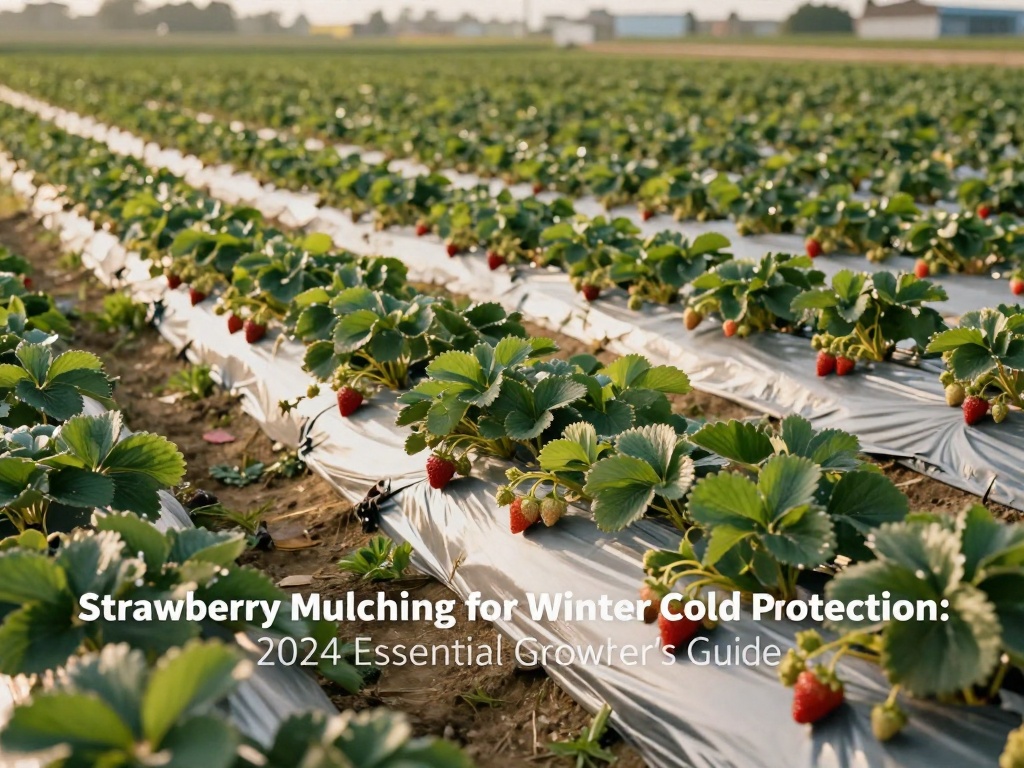
Strawberry Mulching for Winter Cold Protection: 2024 Essential Grower’s Guide
Strawberry mulching for winter cold protection is one of the most high-impact steps home gardeners and commercial growers can take to preserve their perennial crop. USDA data shows unprotected strawberry plantings in hardiness zones 3-7 lose 40-60% of their annual yield to winter frost, crown damage, and soil heave. This simple practice costs just a few dollars per 100 square feet and can boost next season’s harvest by up to 55%.
Why Winter Strawberry Mulching Is Non-Negotiable
What Cold Damage Does to Strawberry Plants
Strawberry plants are perennials, but their fruit-producing crowns (the thick base of the plant just above the soil line) are highly sensitive to freezing temperatures. University of Minnesota Extension research confirms strawberry crowns die when exposed to sustained temperatures below 20°F (-6°C), a common winter low in most northern growing zones. Even milder cold snaps can trigger freeze-thaw cycles that push plant roots out of the soil, a process called heaving, which kills plants within weeks.
How Mulching Blocks Lethal Winter Stress
Mulch acts as an insulating blanket that keeps soil temperatures stable throughout the winter, even when air temperatures drop well below freezing. It also blocks harsh winter winds that can dry out plant tissue, a common issue called winter burn that damages everbearing strawberry varieties. Unlike synthetic heaters or frost cloths that require ongoing maintenance, mulch is a low-effort, one-time application that lasts all season.
Top 3 Mulch Materials for Effective Winter Cold Protection
Straw (The Research-Backed Classic Choice)
Penn State Extension field trials found that 2-4 inches of clean wheat straw reduced strawberry crown freeze damage by 78% compared to unmulched plantings. Straw is lightweight, easy to apply and remove in spring, and allows air flow to prevent mold growth. Avoid using hay, which often carries weed seeds and disease spores that can infest your patch the following growing season.
Shredded Leaves (Low-Cost Small-Scale Alternative)
For home gardeners looking to cut costs, properly shredded hardwood leaves make an effective mulch option. You will need to apply 3-5 inches of leaves to account for natural compaction over the winter. Avoid using black walnut leaves, which release juglone, a natural compound that is toxic to strawberry plants and many other common garden crops.
Polyester Row Cover (For Extreme Cold Zones)
Growers in zones 3 and 4, where winter lows regularly drop below -10°F, can combine straw mulch with a breathable polyester row cover for extra protection. This reusable fabric blocks wind and traps extra heat, without trapping moisture that causes rot. Most row covers last 2-3 growing seasons, making them a cost-effective long-term investment for cold climate growers.
Step-by-Step Guide to Applying Winter Mulch for Strawberries
Time Your Application Correctly
University of California Agriculture and Natural Resources recommends applying winter mulch after the first hard frost, when soil temperatures drop below 40°F and plants have fully hardened off. Applying mulch too early, while temperatures are still mild, can cause crown rot and attract pests to your patch. For most temperate zones, this falls in mid-to-late November.
Prep Your Patch Before Mulching
Before spreading mulch, remove any diseased or dead foliage from your strawberry plants to eliminate overwintering disease spores. Pull all weeds from the bed, and water the soil lightly to avoid winter desiccation. Avoid overwatering, as waterlogged soil freezes harder and increases the risk of crown damage.
Remove Mulch At The Right Time In Spring
When 10% of your strawberry plants show new green growth in early spring, pull back half of the mulch to let the soil warm. Remove the remaining mulch once daily temperatures consistently stay above 40°F, to prevent mold growth on new foliage. The used mulch can be composted and added back to your garden later in the season.
Frequently Asked Questions
Can I use fresh grass clippings as winter mulch for strawberries?
Fresh grass clippings are not a good choice for winter strawberry mulch. They compact quickly, trap excess moisture, and develop mold that can damage vulnerable crowns over the winter. Composted grass clippings can be mixed with straw for added insulation, but they should never be used alone.
Will winter mulch attract rodents to my strawberry patch?
Thick straw mulch can occasionally attract small rodents, but you can easily mitigate this risk. Oregon State University Extension recommends spraying a mild peppermint oil solution around the perimeter of your patch, or adding a small squirrel-proof bird feeder nearby to distract pests from your plants.
What if I miss the window to apply winter mulch?
If you miss the ideal post-first-frost window, apply mulch as soon as a deep freeze is forecast. Penn State data shows even late mulching reduces crown damage by up to 35% compared to leaving plants unprotected. It is never too late to add mulch, even if temperatures have already dropped below freezing for a few nights.
No comments