
Beetroot Succession Planting for Fall Harvest: 2024 Essential Grower’s Guide
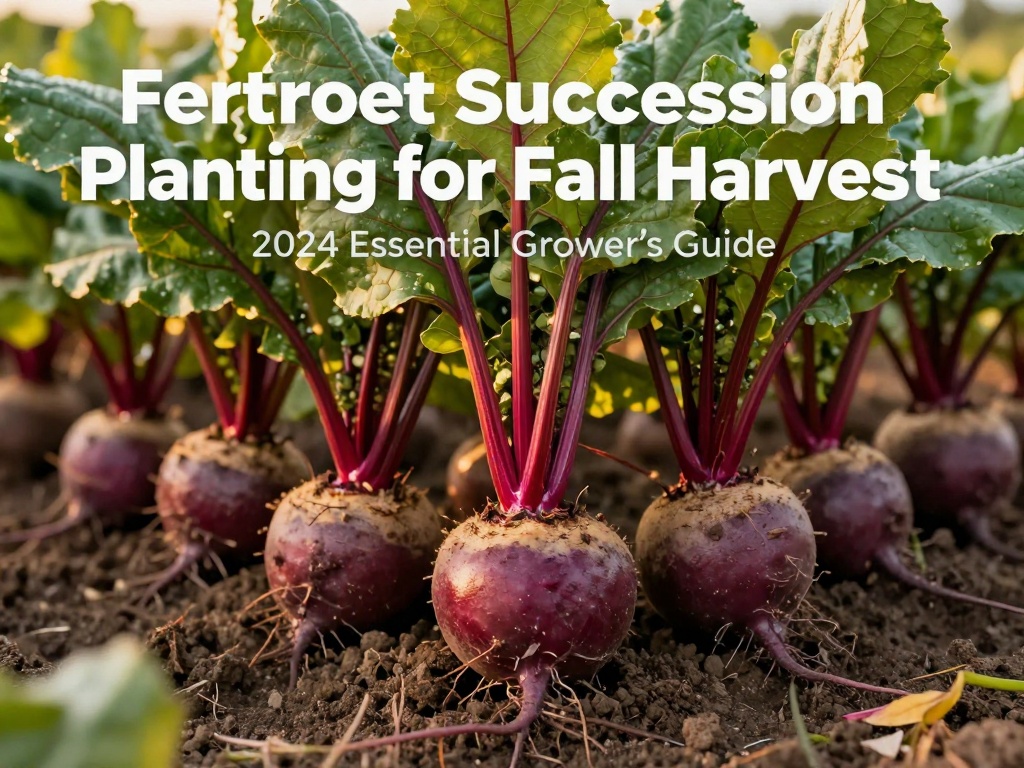
Beetroot Succession Planting for Fall Harvest: 2024 Essential Grower’s Guide
Beetroot succession planting for fall harvest is a game-changing strategy for small-scale farmers and home gardeners looking to maximize their plots and eliminate gaps in fresh produce supply. Unlike a single spring planting that leads to one large harvest, staggered plantings ensure you get a steady stream of tender, sweet beets from early fall through the first frost. Data from the University of Minnesota Extension shows that properly timed succession plantings can boost total beetroot yields by up to 40% compared to single plantings.
What Is Succession Planting, and Why It Works for Fall Beetroot
Succession planting, also called sequential planting, involves sowing small batches of the same crop at regular intervals instead of all at once. For fall beetroot harvests, this strategy accounts for beetroot’s fast maturation rate, which ranges from 55 to 70 days for most common varieties like Detroit Dark Red or Golden Beet. Fall conditions also favor beetroot growth, as cool temperatures enhance their sugar content and prevent bolting, a common issue with spring-planted beets.
Key Benefits for Fall Growers
- Eliminates crop gluts that lead to household waste or lost revenue for market gardeners
- Extends your harvest window by 8-10 weeks, from early September through late November in most USDA zones 3-9
- Reduces pest pressure, as staggered plantings limit the ability of common pests like leaf miners to wipe out an entire crop
Step-by-Step Timing for Your Fall Planting Schedule
Timing is the most critical component of a successful fall succession planting plan. You need to map your plantings around your area’s first average frost date, a metric available for free from your local USDA Extension office. Most beetroot varieties can tolerate light frosts, and many can even survive temperatures as low as 28°F (-2°C) for short periods.
Calculate Your Last Sowing Date First
To find your last possible sowing date, count backward 75 days from your first average frost date. This adds a 5-day buffer for unexpected early cold snaps and accounts for the longest-maturing beetroot varieties. For example, if your area’s first frost falls on October 15, your last sowing date is August 1.
Stagger Your Planting Intervals
For most home gardeners and small-scale growers, 10 to 14 day intervals between plantings work best. This spread ensures each batch of beets matures 2 weeks apart, creating a steady harvest stream. Larger market gardeners selling at weekly farmers markets can use 7-day intervals to align plantings with consistent customer demand.
Best Practices to Maximize Your Fall Beetroot Yields
Even with perfect timing, poor growing conditions can derail your fall beetroot harvest. Follow these evidence-based practices to set your crops up for long-term success.
Prepare Succession Beds in Advance
Since you’ll be sowing new seeds every 1-2 weeks, prepare all your fall planting beds before your first sowing date. Add 2-3 inches of compost to replenish nutrients, as beetroot requires well-drained, nutrient-rich soil to develop large, tender roots. Penn State Extension recommends a soil pH between 6.0 and 7.0 for optimal beetroot growth.
Match Varieties to Your Planting Window
Stick to fast-maturing varieties for your later plantings, as they’ll have less time to mature before frost hits. Varieties like 'Little Ball' (55 days to maturity) are perfect for late summer sowings, while larger varieties like 'Crosby’s Egyptian' (60 days) work well for early fall plantings.
Water Consistently Across All Batches
Beetroot seeds require consistent soil moisture to germinate, especially in the warm late summer temperatures common for early succession plantings. Water new seed beds with 1 inch of water per week, and use straw mulch to retain moisture and suppress weeds as the weather cools into autumn.
Frequently Asked Questions
Can I succession plant beetroot for fall harvest in all USDA zones?
Most USDA zones 3 through 9 can successfully plant beetroot succession for fall harvest. Growers in zones 10 and 11 can adjust their timing to sow in late fall for a winter harvest, as extreme summer heat prevents successful germination for early fall plantings.
How much space do I need for succession beetroot plantings?
Succession planting doesn’t require more total space than a single planting, since you harvest mature beets to free up space for the next batch of seedlings. A 10x10 foot garden bed can easily support 4-5 succession batches of beetroot to feed a family of 4 through fall.
Can I use succession planting for other root vegetables besides beetroot?
Yes, succession planting works for nearly all common root vegetables, including carrots, parsnips, radishes, and turnips. The same core timing logic applies: count backward from your first frost date to set your last sowing date, then stagger plantings at regular intervals to extend your harvest.
No comments