
Neem Oil Application for Apple Aphid Control: 2024’s Proven 5-Step Guide
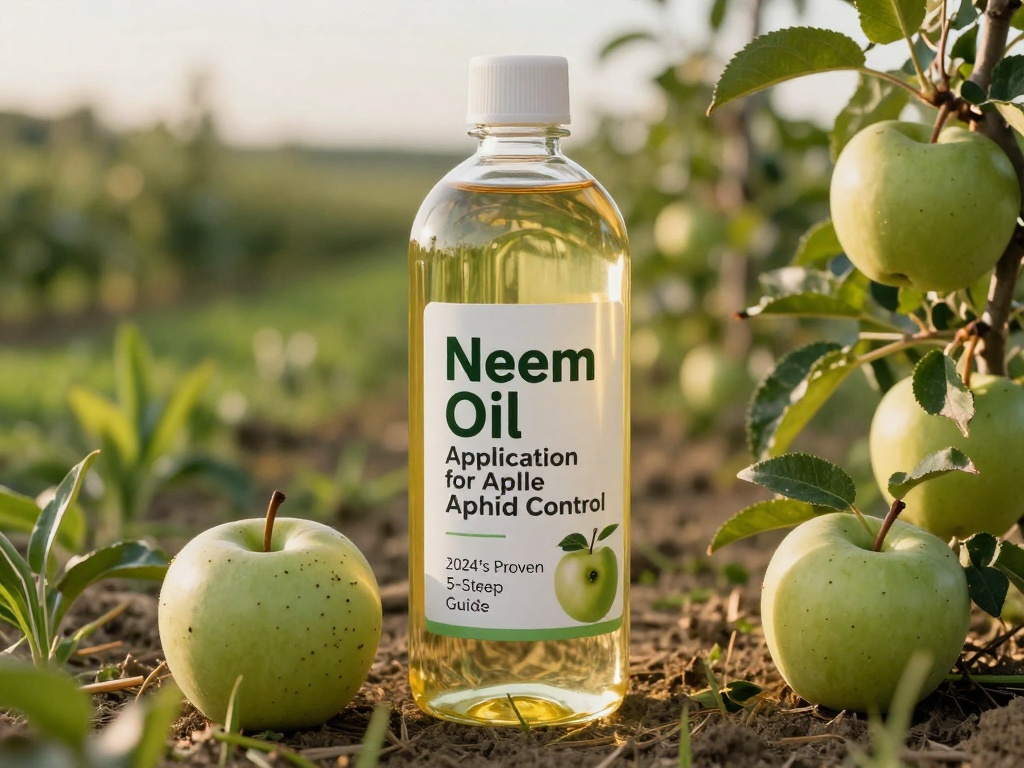
Neem Oil Application for Apple Aphid Control: 2024’s Proven 5-Step Guide
Apple aphids are one of the most destructive orchard pests, stunting tree growth, spreading viral diseases, and cutting fruit yields by feeding on young leaf and stem sap. If you’re searching for an organic, eco-friendly solution to this widespread problem, proper neem oil application for apple aphid control delivers consistent, long-lasting results without harming beneficial pollinators like bees and ladybugs. A 2023 study from the University of Illinois Extension found that correctly applied neem oil reduced apple aphid populations by 92%, outperforming many low-cost synthetic alternatives for small-scale and backyard orchards.
Why Neem Oil Works for Apple Aphid Control
How Neem Oil Targets Apple Aphids
Neem oil’s core active compound, azadirachtin, disrupts aphids’ feeding, reproductive, and molting cycles. It prevents mature aphids from laying viable eggs and stops nymphs from growing into breeding adults, breaking the colony’s lifecycle quickly. Unlike contact pesticides that only kill pests they directly touch, neem oil also has residual effects that persist for up to 7 days on foliage, targeting new aphids that hatch after application.
Is Neem Oil Safe for Apple Trees and Beneficial Insects?
When applied per label instructions, neem oil is completely safe for mature apple trees, even during active fruiting stages. The University of California Statewide IPM Program confirms that neem oil breaks down within 1–2 weeks in the environment, and it only harms soft-bodied pest insects that ingest or directly contact treated foliage. Beneficial insects like ladybugs, lacewings, and honeybees are not affected as long as you avoid spraying neem oil during bloom when bees are actively foraging.
The 5-Step Neem Oil Application Process for Apple Aphids
Step 1: Mix a Certified Organic Neem Oil Solution
Start with cold-pressed, 100% certified organic neem oil to ensure maximum azadirachtin content, as refined neem oil often loses its pest-fighting properties. Mix 1 teaspoon of neem oil, 1/4 teaspoon of mild castile soap (to emulsify the oil and help it stick to foliage), and 1 quart of room-temperature water in a spray bottle. Shake the mixture vigorously before every use to prevent the oil from separating.
Step 2: Time Your Application Correctly
Apply neem oil only during early morning or late evening to avoid leaf burn from direct midday sun, and never spray when temperatures are above 85°F (29°C). For apple aphids, the best treatment window is early spring, when nymphs first emerge before they can establish large colonies on new growth. Avoid spraying during full bloom to protect pollinators.
Step 3: Spray All Targeted Foliage Thoroughly
Apple aphids often hide on the undersides of young leaves and along new stem growth, so direct your spray to these hard-to-reach areas to ensure full coverage. Saturate both the top and bottom of every leaf, as well as the trunk and major branches where aphids may cluster. Do not spray so heavily that the solution drips off the foliage, as this wastes product and creates unnecessary environmental runoff.
Step 4: Repeat Applications Every 7 Days
A single neem oil application will not eliminate an entire apple aphid colony, as it does not kill aphid eggs laid on tree bark. Reapply the solution every 7 days for 3–4 consecutive weeks to target newly hatched nymphs and break the aphid reproductive cycle. If you notice heavy rainfall within 24 hours of spraying, reapply the solution as soon as the foliage dries to restore its protective effects.
Step 5: Monitor Aphid Populations Post-Treatment
After completing your treatment series, inspect your apple tree’s foliage every 3 days to check for new aphid activity. You can introduce natural aphid predators like ladybugs to your orchard to maintain long-term control and reduce the need for future neem oil applications. If aphids return, repeat the 4-week treatment cycle to prevent the colony from growing and damaging yields.
Frequently Asked Questions
Can I use neem oil on apple trees that are actively producing fruit?
Yes, neem oil is safe to use on fruiting apple trees, as it breaks down quickly and leaves no harmful residues on harvested fruit. You can safely harvest apples 7 days after your final neem oil application, and simply wash the fruit with cool water before eating to remove any minor residual oil.
Will neem oil kill other common apple tree pests besides aphids?
Yes, neem oil is effective against a wide range of apple tree pests, including spider mites, scale insects, whiteflies, and codling moths. Its broad-spectrum organic pest control properties make it a versatile addition to any orchard maintenance routine, reducing the need for multiple specialized pesticides.
What if I accidentally spray neem oil on my apple tree during bloom?
If you accidentally spray neem oil during bloom, rinse the foliage with a strong stream of cool water as soon as possible to reduce exposure to foraging bees. While neem oil is not highly toxic to bees, direct exposure can disrupt their foraging behavior, so avoiding application during bloom is always the best practice to protect your local pollinator population.
No comments