
Row Cover for Cabbage Moth Control: 7 Proven 2024 Tips to Protect Crops
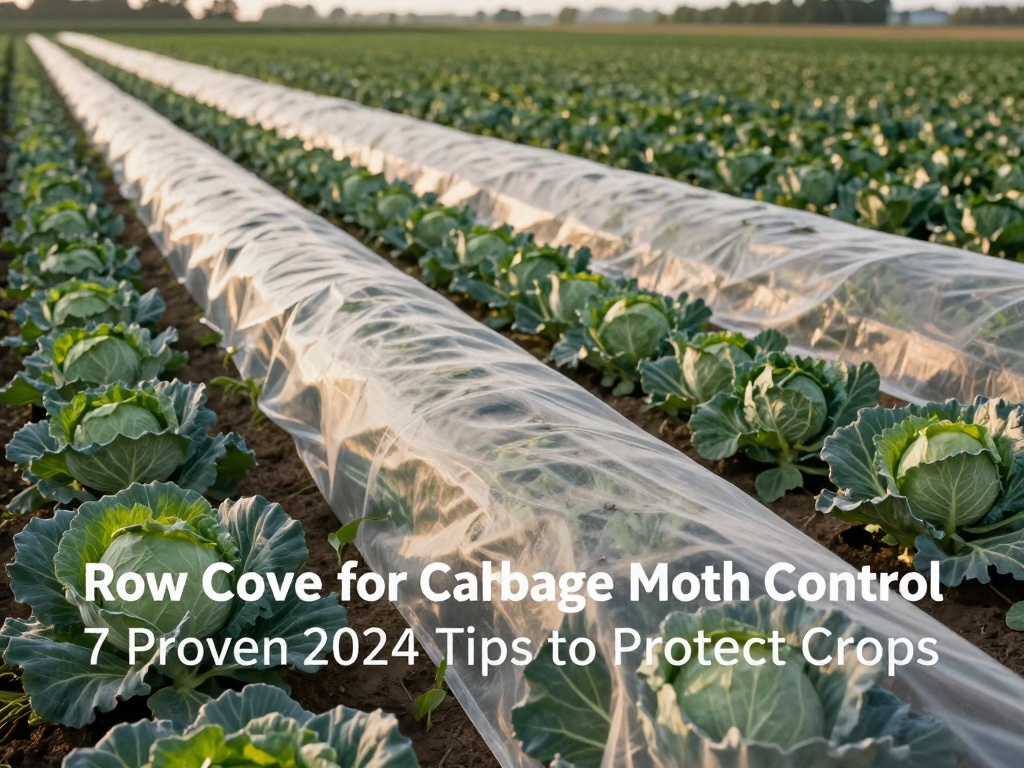
Row Cover for Cabbage Moth Control: 7 Proven 2024 Tips to Protect Your Crops
Row cover for cabbage moth control is one of the most effective organic solutions to prevent devastating damage these common pests cause to brassica crops like cabbage, kale, and cauliflower. Cabbage moth larvae tunnel through heads and leaves, rendering up to 100% of unprotected crops unmarketable, per 2023 data from the University of Illinois Extension. Unlike synthetic insecticides, floating row covers create a physical barrier that keeps moths out without harming beneficial pollinators or leaving chemical residues on produce.
What Makes Row Cover Ideal for Cabbage Moth Management?
Floating row covers are lightweight, permeable fabrics that allow sunlight, water, and air to reach crops while blocking pests too large to fit through the fabric’s tiny pores. Cabbage moths have a wingspan of roughly 1.5 inches, making them unable to penetrate the standard 0.5mm pore size of most agricultural row covers. This barrier method aligns with all major organic farming certifications, a key benefit for small-scale farmers and home gardeners selling to natural food markets.
Additional Benefits Beyond Pest Control
Row covers also offer minor frost protection for early-season plantings, retain soil moisture to reduce irrigation needs by up to 20% (2024 USDA data), and shield crops from harsh wind damage that can stunt growth. This multi-use functionality makes row covers a cost-effective investment for brassica growers of all sizes.
7 Proven Tips to Use Row Cover for Cabbage Moth Control Successfully
Follow these evidence-based tips to maximize the effectiveness of your row cover barrier and eliminate cabbage moth damage:
- Install immediately after planting: Cabbage moths are active as soon as brassicas emerge, so delaying installation even 48 hours can lead to egg-laying that renders your barrier useless.
- Secure all edges tightly: Use soil staples, rocks, or landscape pins to seal every gap. A 2023 Cornell University study found that unsecured edges caused 78% of row cover failures for cabbage moth control.
- Choose the right fabric weight: Lightweight 0.5oz fabric works for summer pest control, while 1.5oz heavyweight fabric adds frost protection for early spring plantings.
- Inspect weekly for pest or crop stress: Pull back the cover briefly once a week to check for aphid buildup, weeds, or signs of overheating to catch issues before they spread.
- Ventilate during extreme heat: If temperatures rise above 85°F, prop one edge of the cover open to prevent internal overheating that can cause cabbage head splitting.
- Rotate covers with your crops: Move row cover locations annually alongside brassica crop rotation to avoid trapping overwintering cabbage moth pupae under your barrier the next season.
- Use mechanical installation for large plots: For farms planting 5+ acres of brassicas, a mechanical row layer cuts labor time by 60% compared to manual installation, per USDA farm labor data.
Common Mistakes to Avoid
One of the costliest mistakes growers make is leaving row covers in place during brassica flowering, which blocks pollination for crops like broccoli and cauliflower that require insect pollinators. Another frequent error is reusing torn, old row covers that have holes large enough for moths to pass through. Inspect your fabric before each season and patch small holes with landscape tape to maintain an intact barrier.
Frequently Asked Questions
Can I pair row cover for cabbage moth control with other organic pest methods?
Yes, row cover works seamlessly with companion planting (such as nasturtiums or rosemary to repel moths) and pheromone traps that catch any stray moths that enter your growing space. Combining these methods reduces pest outbreak risk by over 90%, per Penn State Extension research.
How long do row covers last for cabbage moth control?
High-quality agricultural-grade row covers last 3-5 growing seasons if stored in a cool, dry place during the off-season. Lower-cost consumer-grade fabric typically only lasts 1-2 seasons, so investing in durable fabric cuts long-term replacement costs.
Do row covers negatively impact cabbage growth or yields?
No, when installed correctly, row covers can boost cabbage yields by up to 35% by reducing pest damage, abiotic stress from wind and frost, and water loss, per 2024 Penn State Extension field trials. The permeable fabric allows 85-90% of sunlight to reach crops, so photosynthesis is not impacted.
No comments