
2024 Guide to Crop Rotation for Tomato Blight Prevention: 7 Proven Tactics
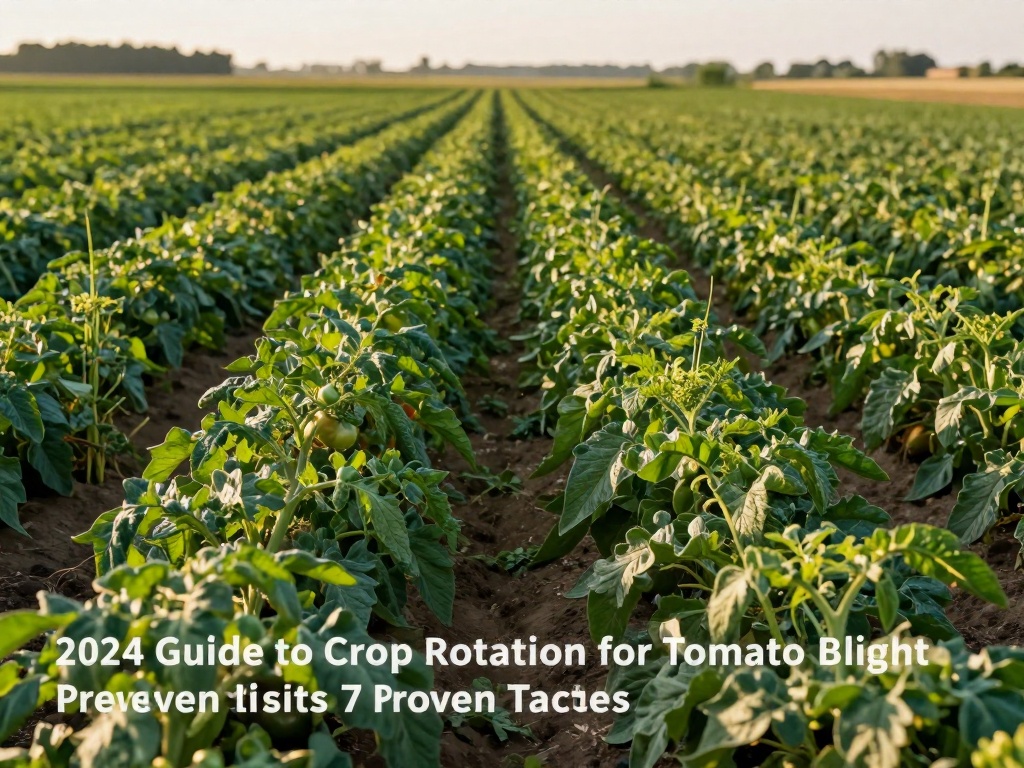
2024 Guide to Crop Rotation for Tomato Blight Prevention: 7 Proven Tactics
Tomato blight, a destructive fungal disease that can wipe out 80% of a home garden or commercial tomato crop in weeks, is a top fear for growers. The most effective, low-cost, organic strategy to stop recurring outbreaks is crop rotation for tomato blight prevention. Unlike chemical treatments that only treat symptoms, crop rotation disrupts the blight pathogen’s life cycle to stop it before it takes hold.
Why Tomato Blight Spreads Without Proper Crop Rotation
What Makes Blight Pathogens Persist In Soil?
Early and late blight, the two most common tomato blight variants, can survive in soil and plant debris for 3-4 years, according to U.S. Department of Agriculture (USDA) data. These pathogens lie dormant until a susceptible host crop is planted in the same space, at which point they infect the new crop’s foliage and roots within days.
How Repeated Planting Fuels Outbreaks
Tomatoes are part of the solanaceous (nightshade) family, which includes other blight-susceptible crops: potatoes, peppers, eggplants, and tobacco. Planting any of these crops in the same bed year after year gives blight pathogens a continuous food source, leading to larger, more severe outbreaks every growing season.
The 7 Proven Crop Rotation Tactics For Tomato Blight Prevention
These science-backed strategies, vetted by the University of Minnesota Extension, ensure your rotation plan effectively stops blight while improving long-term soil fertility.
1. Stick to a 3-year minimum rotation gap for all nightshades
Never plant tomatoes, potatoes, peppers, or eggplants in the same bed for at least three consecutive growing seasons. This gap starves blight pathogens of their host crops, reducing their population in the soil to non-threatening levels that cannot cause widespread outbreaks.
2. Rotate tomatoes with non-host leafy green crops
Leafy greens like lettuce, spinach, and kale are not susceptible to tomato blight, making them ideal rotation partners. They also add nitrogen to the soil, which supports heavy-feeding tomato plants when you reintroduce them to the bed to drive higher yields.
3. Plant blight-suppressive cover crops in off-seasons
Cover crops like rye, clover, and mustard release natural root exudates that kill blight spores in soil. A 2023 Cornell University study found that mustard cover crops reduced late blight spore counts in soil by 45% compared to fields left bare during the off-season.
4. Map your planting history to avoid rotation mistakes
Keep a physical or digital map of your garden or farm beds to track every crop’s location. Even one accidental year of planting tomatoes in an old pepper bed can trigger a full blight outbreak, as dormant spores can activate the moment a new host is introduced.
5. Space solanaceous crops at least 50 feet apart
Blight spores can travel short distances through wind and rain splash, so separate tomato beds from potato and pepper plots by a minimum of 50 feet. This adds an extra layer of protection for commercial growers with large, connected field layouts.
6. Rotate tomatoes with root crops to improve soil health
Root crops like carrots, beets, and radishes are non-hosts for blight, and their deep roots aerate compacted soil. Better soil drainage reduces the moist, cool conditions that blight thrives in, creating a dual benefit of disease prevention and improved growing conditions.
7. Amend soil after rotating with heavy-feeding non-hosts
Corn is a safe non-host blight crop, but it is a heavy nutrient user. If you rotate corn before tomatoes, add 3 inches of aged compost or organic fertilizer to the bed to replenish nitrogen and other key nutrients that tomato plants need to thrive.
Additional Practices To Complement Crop Rotation
Crop rotation works best as part of a multi-layered blight prevention strategy, not a standalone solution.
Use blight-resistant tomato varieties
Varieties like Defiant, Iron Lady, and Mountain Merit have built-in genetic resistance to early and late blight. Pairing these varieties with proper crop rotation reduces your outbreak risk by more than 90%, per USDA data.
Practice end-of-season soil sanitation
Remove all plant debris from your beds at the end of every growing season to eliminate stray blight spores. Compost debris at temperatures above 140°F to kill any remaining pathogens before reusing the compost in future growing seasons.
Frequently Asked Questions
Can crop rotation stop an active tomato blight outbreak?
No, crop rotation is a preventative measure, not a treatment for active blight. If you have an ongoing outbreak, remove and bag all infected plants immediately to stop spore spread, and avoid planting solanaceous crops in that spot for four years to eliminate remaining dormant spores.
What if I don’t have enough space to rotate tomato crops?
Small-space gardeners can use large containers with fresh potting soil each year, or amend raised beds with 50% new compost annually to dilute blight spores. Straw bale gardening also creates a sterile growing environment that eliminates blight risks for limited-space growers.
How long do blight pathogens survive in soil without a host?
Most blight pathogens can survive in soil without a host crop for 3-4 years, according to the University of California Agriculture and Natural Resources. This is why the 3-year minimum rotation gap is the universal standard for home and commercial growers alike.
No comments