
Mustard Cover Crop for Nematode Control: 2024’s Proven Organic Farming Hack
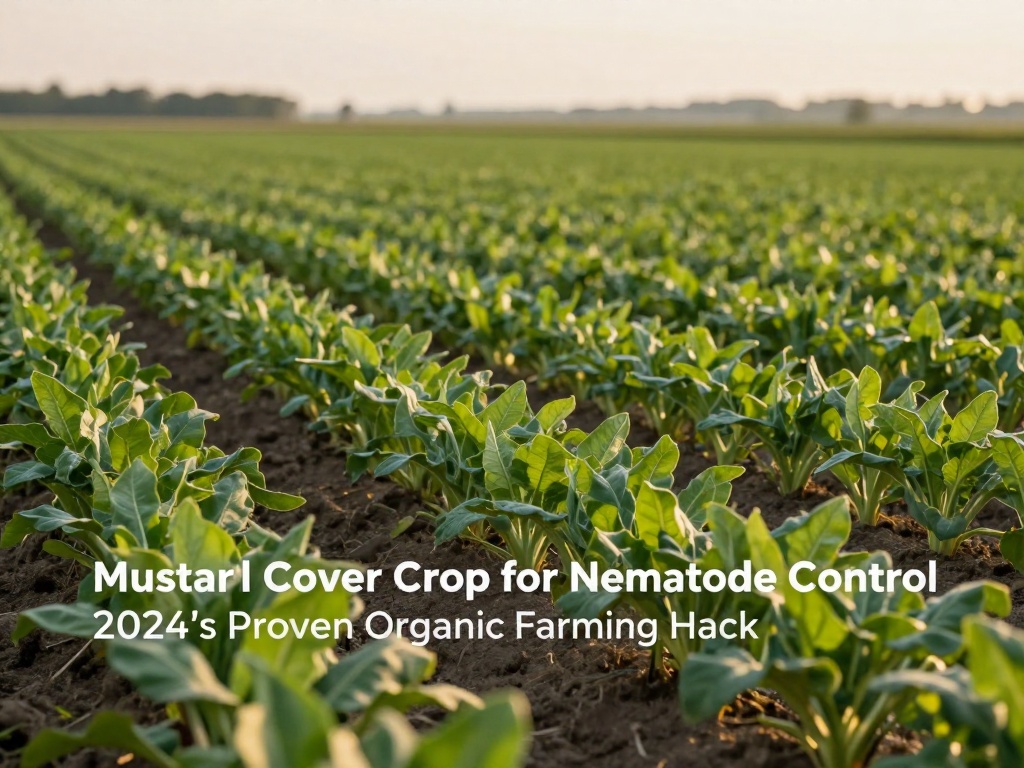
Mustard Cover Crop for Nematode Control: 2024’s Proven Organic Farming Hack
If you’re a smallholder or commercial farmer fighting destructive root-knot nematodes, the mustard cover crop for nematode control is a game-changing, science-backed solution that eliminates the need for costly synthetic nematicides. University research from the University of California Division of Agriculture and Natural Resources (UC ANR) confirms that specific mustard cultivars release natural biofumigants that suppress nematode populations by up to 70% in just one growing season. This organic strategy also improves soil structure, adds organic matter, and prevents erosion, making it a dual-purpose investment for long-term farm health.
How Mustard Cover Crops Kill Nematodes Naturally
The Biofumigation Process Explained
Mustard plants from the Brassica family, including popular cultivars bred for pest suppression, produce glucosinolates, sulfur-rich compounds stored in their leaves, stems, and roots. When you incorporate the mustard biomass into the soil, these compounds break down into isothiocyanates, volatile gases that suffocate and kill nematode eggs and juvenile stages before they can infect your cash crop’s roots. This process, called biofumigation, mimics the effects of synthetic fumigants without leaving harmful chemical residues in soil or produce.
Top Mustard Cultivars for Nematode Control
- Caliente 199: A hybrid mustard developed specifically for high glucosinolate levels, proven by Penn State Extension to reduce root-knot nematode pressure by 65% in vegetable systems.
- Pacific Gold: A white mustard cultivar ideal for temperate climates, effective against both cyst and root-knot nematodes.
- Ida Gold: A brown mustard suited for northern growing zones, that also suppresses common soil-borne fungal pathogens alongside nematodes.
Step-by-Step Guide to Using Mustard for Nematode Management
Planting Timing and Seeding Rates
To maximize biofumigation potential, plant your mustard cover crop 8-10 weeks before your first expected frost, or 4 weeks before you plan to transplant your cash crop in spring. For most regions, the recommended seeding rate is 10-15 pounds of pure live seed per acre, broadcasted evenly and raked into 1-2 inches of soil to ensure uniform germination. Mustard grows quickly, reaching full biomass in 35-45 days, making it ideal for short fallow periods between vegetable or row crop rotations.
Proper Incorporation for Maximum Biofumigation
The timing of incorporating mustard biomass into soil is critical to unlock its nematode-fighting power. Mow and till the crop into the top 6 inches of soil when it begins to flower, as glucosinolate levels peak at the early flowering stage. Immediately after tilling, water the field thoroughly and seal the soil with a roller or plastic tarp for 2-3 weeks to trap the biofumigant gases, preventing them from escaping into the air before they can kill nematodes. A 2023 study from the University of Illinois found that tarping increases nematode suppression rates by an additional 20% compared to untarped incorporation.
Key Benefits Beyond Nematode Control
While nematode suppression is the primary draw, mustard cover crops offer a range of additional benefits for farm productivity. They add 2-3 tons of organic matter per acre when incorporated, improving soil water retention and nutrient availability for subsequent cash crops. Mustard also suppresses common weeds like pigweed and lambsquarters, reducing your need for pre-emergent herbicides. Unlike some cover crops, mustard is a poor host for most common crop pests, so it won’t harbor insects that can damage your next planting.
Frequently Asked Questions
Can mustard cover crops completely eliminate nematodes from my soil?
While mustard reduces nematode populations by 60-70% in a single season, it is not a permanent eradication solution. For best results, rotate mustard with other nematode-suppressive cover crops like marigold or cereal rye every 2-3 seasons to maintain long-term nematode pressure reduction.
Is mustard safe to plant before all cash crops?
Mustard is a brassica, so avoid planting it before other brassica cash crops like cabbage, broccoli, or canola, as this can increase the risk of shared pest and disease pressures. It works best before solanaceous crops (tomatoes, peppers), cucurbits, and corn, which are highly susceptible to root-knot nematodes.
Can I use mustard for nematode control in certified organic farming systems?
Absolutely, mustard cover crop use is approved for organic production by the USDA National Organic Program. It replaces restricted synthetic nematicides, aligning with organic standards that prioritize natural soil management and pest control. Many organic vegetable farmers rely on mustard as a core part of their integrated pest management strategy.
No comments