
Chickpea Inoculant for Small Backyard Gardens: 2024 Guide to Bigger Harvests
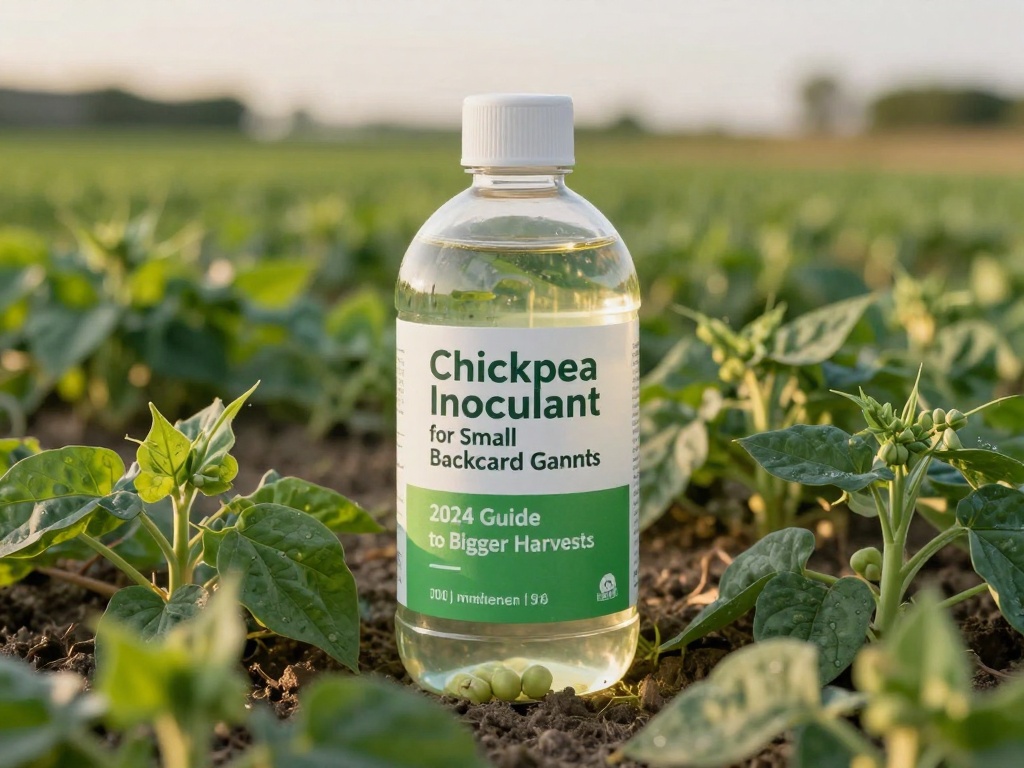
Chickpea Inoculant for Small Backyard Gardens: 2024 Guide to Bigger Harvests
If you grow legumes in your home plot, chickpea inoculant for small backyard gardens is a low-effort, high-reward addition to your growing routine. Many new backyard gardeners skip this affordable step, only to end up with stunted chickpea plants that produce a handful of small pods. The University of Minnesota Extension reports that inoculated legumes produce up to 2x more yield than un-inoculated plants in soils that haven’t grown legumes in the last 3 years, which applies to most small backyard plots.
What Is Chickpea Inoculant, Anyway?
Chickpea inoculant is a natural, powder- or liquid-based formulation of specific rhizobium bacteria that form a symbiotic relationship with chickpea roots. Unlike generic garden bacteria, chickpea-specific inoculant uses Rhizobium leguminosarum biovar viciae, the only strain that efficiently colonizes chickpea root systems. Most inoculants are OMRI-listed for organic use, so they fit perfectly in chemical-free backyard gardens.
How Does Inoculant Work for Chickpeas?
Once applied to chickpea seeds or planting holes, the rhizobium bacteria burrow into the root hairs of young chickpea plants, creating small, round nodules. Inside these nodules, the bacteria convert atmospheric nitrogen into a form the chickpea plant can use to grow leaves, flowers, and pods. In exchange, the plant feeds the bacteria sugars produced via photosynthesis, creating a mutually beneficial cycle that eliminates the need for most nitrogen-rich fertilizers.
Why Small Backyard Gardens Benefit Most From Inoculant
Compact backyard plots have limited growing space, so every plant must earn its spot by producing as much food as possible. Chickpea inoculant checks that box with three core benefits that outperform many common garden inputs.
Cuts Reliance on Synthetic Nitrogen Fertilizers
Most backyard gardeners rely on store-bought fertilizers to feed their crops, which can leach into local soil and water sources if overapplied. Chickpea inoculant creates a natural, renewable nitrogen source, cutting your reliance on synthetic inputs while growing healthy, productive plants. This is especially valuable for gardeners growing 100% organic produce for their families.
Boosts Yields in Tight Garden Spaces
A 2023 study from Oregon State University Extension found that inoculated chickpeas have a 30% higher germination rate and 40% higher pod set than un-inoculated plants. That means you can harvest twice as many chickpeas from the same 2x4 foot raised bed you’d use to grow un-inoculated crops. For small backyard gardens with limited square footage, that yield boost is game-changing.
Lowers Long-Term Garden Input Costs
A single 4-ounce packet of chickpea inoculant costs less than $10 and covers up to 100 square feet of planting space, enough for most backyard gardeners’ annual chickpea crop. Once established, some rhizobium bacteria can persist in your soil for 2-3 years, benefiting future legume plantings like lentils or fava beans. That makes inoculant one of the highest-return investments you can make for your garden.
Simple Step-by-Step Guide to Applying Chickpea Inoculant
Applying inoculant takes less than 10 minutes, so it fits easily into your spring planting routine. Follow these steps to get the best results:
- Choose a chickpea-specific inoculant, not a generic legume inoculant, to ensure you have the correct rhizobium strain for your crop.
- Mix 1 teaspoon of inoculant with 1 tablespoon of water to create a thin slurry, then toss your dry chickpea seeds in the mixture until fully coated.
- Plant your coated seeds within 24 hours to avoid killing the bacteria with prolonged exposure to air or direct sunlight.
- Water your planting bed immediately after sowing to keep roots moist and help the bacteria colonize quickly.
If you forget to coat your seeds before planting, you can mix a small amount of inoculant into the soil of each planting hole right before dropping in your seed. This method is 80% as effective as seed coating, so it’s a reliable backup option.
Frequently Asked Questions
Can I use chickpea inoculant on other legumes in my backyard garden?
Chickpea-specific inoculant only works for chickpeas, lentils, and fava beans, which share the same compatible rhizobium strain. Other legumes like soybeans, garden peas, or peanuts require their own unique inoculant strains to form productive root nodules.
How do I store leftover chickpea inoculant for future use?
Store unused inoculant in an airtight container in your refrigerator, where it will stay viable for up to 2 years. Never freeze inoculant or leave it in direct sunlight, as extreme temperatures kill the beneficial living bacteria that make inoculant work.
Do I still need inoculant if my backyard grew legumes last year?
If you grew chickpeas or another compatible legume in the same spot last year, you may not need to reapply. To test your soil, dig up a few old roots from your last legume crop. If you see small, round, pinkish nodules, your soil still has enough active rhizobium. If not, add fresh inoculant to your new planting to avoid stunted growth.
No comments