
Peach Tree Thinning for Backyard Orchards: 2024 Guide to Bigger, Juicier Harvests
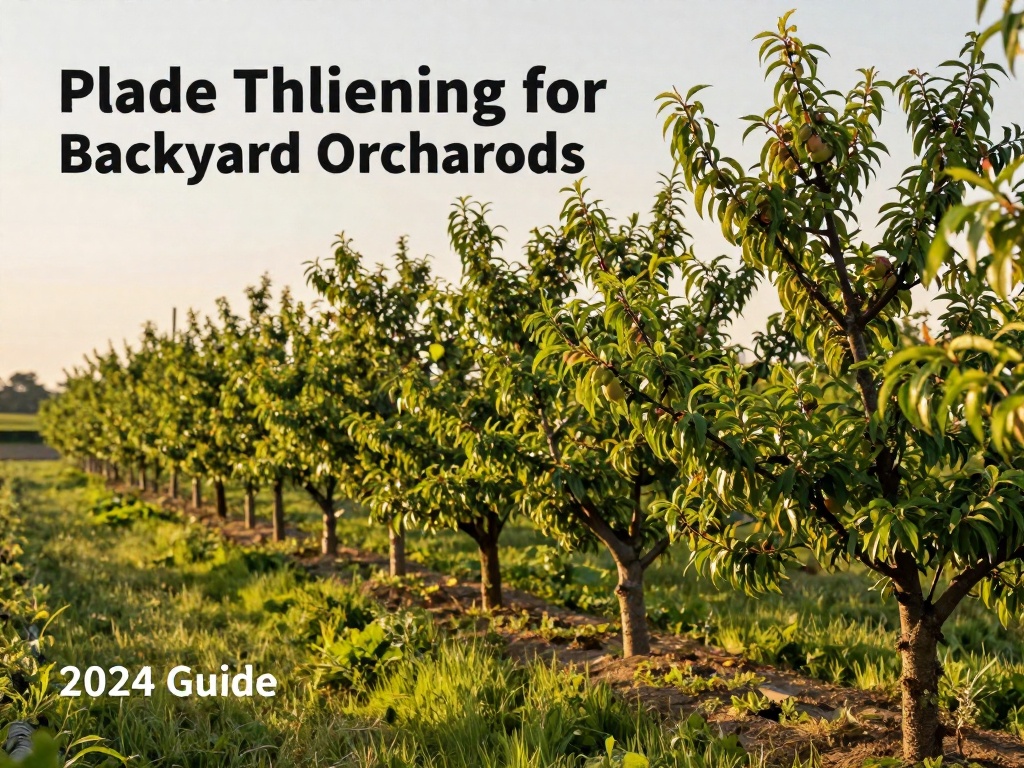
Peach Tree Thinning for Backyard Orchards: 2024 Guide to Bigger, Juicier Harvests
Peach tree thinning for backyard orchards is a non-negotiable seasonal task that turns mediocre harvests into productive, high-quality yields. Most new backyard orchard owners assume leaving all fruit on the tree leads to more peaches, but overcrowded fruit causes widespread damage that can set your tree back for years. The University of Georgia Extension reports that unthinned peach trees produce 30% smaller fruit and are twice as likely to suffer broken branches during peak growing season.
Why Is Peach Tree Thinning Critical for Backyard Orchards?
Prevent Overbearing and Permanent Tree Damage
Peach trees naturally set 5-10 times more fruit than their branches can support. A single mature peach can weigh up to 1 pound, so clusters of 4-6 peaches put extreme strain on thin limbs, leading to irreversible breaks that reduce the next year’s harvest. Tree stress from overbearing also makes specimens more vulnerable to winter frost damage and long-term health decline.
Boost Fruit Quality, Size, and Flavor
Thinning directs all of the tree’s energy into fewer fruits, leading to larger, sweeter, juicier peaches ideal for eating or preserving. Overcrowded fruit lacks access to consistent sunlight and airflow, leading to uneven ripening and bland flavor. Penn State Extension found that thinned peach trees produce fruit that is 40% larger than unthinned specimens, with 15% higher sugar content.
Reduce Pest and Disease Pressure
Dense clusters of peaches trap moisture and block airflow, creating the perfect environment for common peach tree issues like brown rot, peach scab, and aphid infestations. Thinning leaves space between fruits, so rainwater dries quickly and any pest or disease treatments (organic or synthetic) can reach all surfaces of the fruit.
When to Thin Your Backyard Peach Tree
Stick to the Optimal Thinning Window
The best time to thin peach trees is 4-6 weeks after full bloom, once the tree completes its natural fruit drop process called “June drop”. Most backyard orchards in USDA zones 5-9 will reach this stage between mid-May and early June, depending on local spring temperatures. Thinning too early wastes effort on fruit that would naturally fall off, while thinning too late limits the tree’s ability to redirect energy to remaining fruit.
Identify Thinning-Ready Fruit Before You Start
Before plucking any fruit, inspect small, pea-sized peaches that are growing consistently. First remove any misshapen, discolored, or damaged fruit, as these will never develop into healthy, harvestable peaches. Only keep the largest, firmest specimens in each cluster to maximize your final harvest’s quality.
Step-by-Step Guide to Thinning Your Backyard Peach Tree
Space Fruit 6-8 Inches Apart Along Branches
The universal rule for standard-sized backyard peach trees is to leave one peach per every 6-8 inches of branch length. This spacing ensures each fruit has enough sunlight, nutrients, and room to grow to full size. Never leave two peaches touching, as they will rub against each other as they mature, creating wounds that let disease enter.
Thin From the Bottom of the Tree Up
Start thinning lower, more accessible branches first, as these often hold heavier fruit loads that are most at risk of breaking. Work your way up to the upper canopy, which you can reach with a small step ladder for most mature backyard peach trees, which are typically pruned to 10-12 feet tall for easy maintenance.
Use Sharp, Sanitized Tools for Clean Cuts
For small, easy-to-reach fruit, you can pluck peaches off by hand. For higher branches or stubborn stems, use sharp, sanitized pruning shears to avoid tearing the branch’s bark, which can create entry points for disease. Wipe your shears with a 10% bleach solution between trees if you have multiple fruit trees to prevent spreading pathogens.
Frequently Asked Questions
Can I thin my peach tree too much?
Most backyard orchard owners overestimate how many peaches their tree can support, so over-thinning is extremely rare. A 10-year-old standard-sized peach tree can easily support 100-150 high-quality peaches, which is more than enough for a family of four. Following the 6-8 inch spacing rule will never leave you with too few harvestable peaches.
Do I need to thin dwarf peach trees the same way?
Yes, dwarf peach trees set the same excess fruit load as standard-sized trees, just on a smaller overall canopy. Adjust spacing to 4-6 inches apart for dwarf varieties to account for their smaller branch structure, and limit total fruit to 30-50 per mature dwarf tree to avoid branch damage.
What can I do with the small, thinned green peaches?
Unripe thinned peaches are too bitter to eat fresh, but they break down well in compost piles to create nutrient-rich mulch for your orchard. Some creative backyard gardeners also use small green peaches to make tangy pickled peaches, a popular condiment that pairs well with grilled pork and chicken.
No comments