
Soybean Inoculant Application for Small Farms: 2024 Step-by-Step Guide
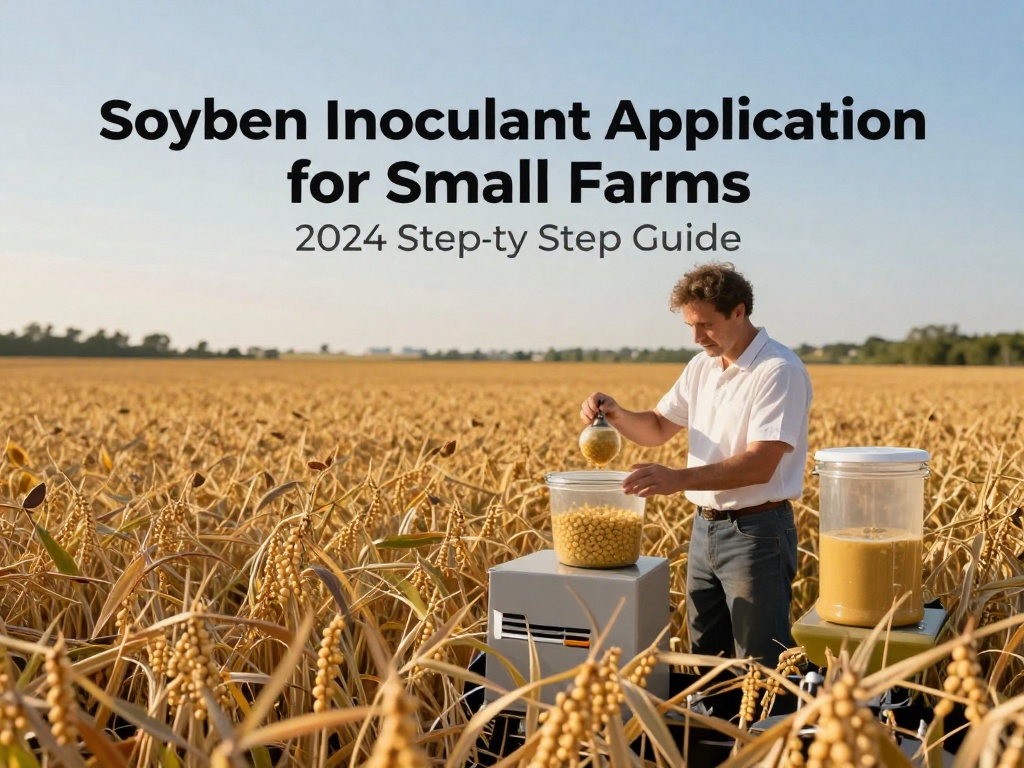
Soybean Inoculant Application for Small Farms: 2024 Step-by-Step Guide
Soybean inoculant application for small farms is one of the most low-cost, high-return sustainable farming practices available to small-scale growers. University of Illinois Extension research shows that proper inoculation boosts soybean yields by up to 30% by helping plants access atmospheric nitrogen, eliminating the need for most synthetic nitrogen fertilizers. For small farms operating on thin margins, this practice delivers an average return of $15 for every $1 spent on inoculant products.
Why Inoculants Are Non-Negotiable for Small-Scale Soybean Growers
What Are Soybean Inoculants, Exactly?
Soybean inoculants are formulations of live, beneficial bacteria, most commonly Bradyrhizobium japonicum, that form symbiotic relationships with soybean roots. These bacteria colonize small growths called nodules on plant roots, converting unusable atmospheric nitrogen into a form that soybeans can use to grow, produce foliage, and develop high-yielding pods. Most small farm soils lack enough native rhizobia to support full nitrogen fixation, especially if soybeans haven’t been planted in a field in 3 or more years.
Key Benefits for Small Farm Operations
USDA agricultural data confirms that inoculants cost just $3 to $8 per acre, compared to $25 to $40 per acre for synthetic nitrogen fertilizers for soybeans. This makes them a game-changer for small farms looking to cut input costs without sacrificing yields. Inoculants also improve long-term soil health by adding beneficial microbes that support rotation crops like corn, wheat, and hay, which are staples of most small farm crop plans. They are also approved for organic production, making them eligible for most sustainable farm certification programs that add market value to soybean crops.
Step-by-Step Inoculant Application for Small Acreages
1. Select the Right Inoculant for Your Farm
Small farms have three main inoculant types to choose from, each suited to different planting methods. Peat-based inoculants are the most popular for small-scale operations, as they are affordable, easy to mix, and work for both conventional and no-till systems. Liquid and granular inoculants are also available, with granular options ideal for in-furrow application at planting. Always check the expiration date on any inoculant, as the live bacteria die off over time, and store unopened products in a cool, dark space to preserve viability.
2. Avoid Common Pre-Application Mistakes
Many small farms lose 70% or more of their inoculant’s effectiveness due to simple avoidable errors. Never mix inoculant with fungicide-treated seeds unless the inoculant is explicitly labeled as compatible, as most seed fungicides kill rhizobia. Do not treat seeds more than 24 hours before planting, as the bacteria will die off before they can colonize roots. Never leave mixed inoculant or inoculated seeds exposed to direct sunlight, which kills 90% of live bacteria within 15 minutes, per University of Minnesota research.
3. Simple Application Methods for Small Farms
The most common application method for small acreages (under 50 acres) is seed coating. To coat seeds, mix your inoculant with a small amount of water or a commercial sticker product to help the bacteria stick to seed surfaces. Toss the mixture with your soybean seeds in a clean barrel or plastic tub until every seed is evenly coated, then plant immediately. For no-till small farms, granular in-furrow application is even easier: simply add the granular inoculant to your planter’s fertilizer hopper and spread it directly in the seed furrow alongside seeds at planting.
Post-Application Checks to Confirm Success
3 to 4 weeks after planting, pull up 5 to 10 random soybean plants across your field to check for nodulation. Healthy, effective inoculation will produce 10 or more pink or red nodules on each plant’s root system. If you find fewer than 5 pale or white nodules per plant, the inoculant failed to establish, and you should apply a low-rate foliar nitrogen supplement to avoid yield losses that season. This check is recommended by Iowa State University Extension as a simple way to catch inoculation errors early in the growing cycle.
Frequently Asked Questions
Can I use leftover inoculant from a previous growing season?
Only use leftover inoculant if it remains unopened, stored in a cool dark space, and has not passed its printed expiration date. Opened or expired inoculant loses nearly all of its live bacteria, so it will not provide any yield or soil benefit. Always purchase a fresh batch of inoculant for each growing season to guarantee effectiveness.
Do organic small farms benefit from inoculant application?
Absolutely. Soybean inoculants are approved for use in organic production by the USDA National Organic Program, and they eliminate the need for most expensive organic-approved nitrogen supplements. Organic small farms see an even higher return on inoculant investment than conventional operations, as organic fertilizer costs are often 2 to 3 times higher than conventional synthetic options.
What if I plant soybeans in the same field every year? Do I still need to inoculate?
Yes, annual inoculation is still recommended even for fields that plant soybeans every year. Native rhizobia populations often decline in density or are outcompeted by less effective soil microbes over time. Adding fresh inoculant every year ensures you have a high-performing population of bacteria that can deliver maximum nitrogen fixation and yield benefits each season.
No comments