
Hoop House Winterization for Small Vegetable Farms: 2024 Step-by-Step Guide
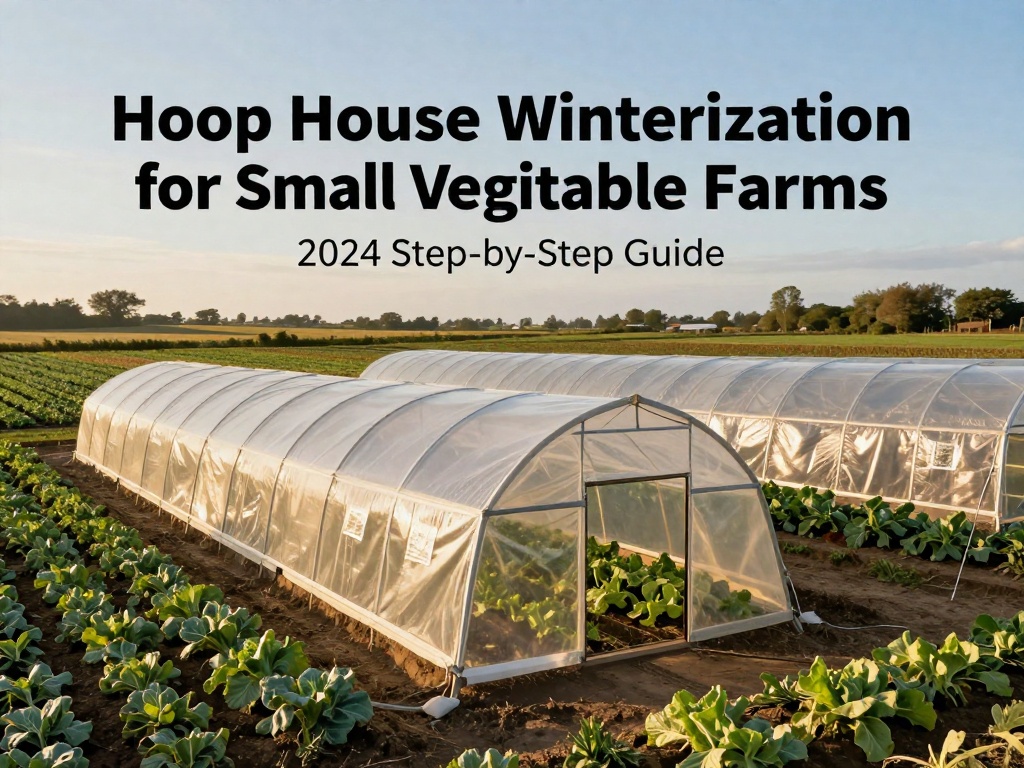
Hoop House Winterization for Small Vegetable Farms: 2024 Step-by-Step Guide
Hoop house winterization for small vegetable farms is a non-negotiable task that protects your infrastructure investment and keeps cold-hardy greens, root vegetables, and herbs growing through frigid months. Data from the University of Maine Cooperative Extension shows that properly winterized hoop houses can extend growing seasons by 8-12 weeks in northern climates, boosting small farm annual revenue by up to 20%.
Unlike large commercial operations with climate-controlled greenhouses, most small vegetable farms rely on low-cost hoop houses that are far more vulnerable to heavy snow, strong winds, and freezing temperatures. Skipping critical winterization steps can lead to collapsed frames, torn plastic, and total crop loss, events that can devastate thin small-farm margins.
Why Small Farms Face Unique Winterization Risks
A 2023 survey of 120 small vegetable farms across the U.S. Midwest found that 62% of unwinterized hoop houses suffered at least $1,500 in damages during a single harsh winter. These costs often erase an entire season of profits for operations that gross less than $50,000 annually from vegetable sales.
Proper winterization not only prevents structural damage but also cuts energy costs for supplemental heating by up to 35%, per USDA Natural Resources Conservation Service (NRCS) data. That makes prep a high-return investment for any small-scale vegetable grower.
Core Step-by-Step Winterization Checklist
1. Inspect and Repair Frame and Covering First
Start by walking the entire perimeter of your hoop house to check for bent hoops, loose anchor straps, or small tears in the plastic covering. Even 1-inch tears can expand into large rips during 30+ mph winter winds, letting in cold air that damages crops and strains heating systems.
Replace any worn anchor straps that show signs of fraying, and patch small tears with UV-resistant greenhouse repair tape to avoid the cost of a full covering replacement mid-season. If your plastic is more than 4 years old, plan to replace it to maintain insulating properties.
2. Reinforce Structure for Snow and Wind Loads
Small, standard 14x48-foot hoop houses rarely have the structural strength of commercial greenhouses, so add 2-3 internal support posts to the center of the structure to distribute heavy snow weight. Cross-braces along the interior walls also add stability against strong gusts.
For farms in regions that get more than 12 inches of annual snowfall, the NRCS recommends adding a second layer of 6mil greenhouse plastic to create a 1-2 inch air gap between layers. This gap cuts heat loss by 30%, reducing reliance on expensive supplemental heating.
3. Add Insulation to Trap Heat
Low-cost insulation options like horticultural bubble wrap, frost cloth row covers, or straw bales stacked along the north-facing interior wall can trap heat during frigid nights. Many small farmers also use solar-powered heat mats to keep root zones above freezing for winter greens like kale and spinach.
Avoid solid, non-breathable insulation that blocks all ventilation, as excess humidity inside a sealed hoop house can lead to powdery mildew and other fungal crop diseases. Leave small vents open to circulate air on mild winter days.
4. Prep Irrigation and Drainage Systems
Freezing temperatures can burst unprotected irrigation lines, leading to water damage and costly repairs. Drain all above-ground irrigation lines, or wrap them in foam insulation to prevent freezing. If you use a well or municipal water line, install a freeze-proof timer to cycle small amounts of water through lines during extreme cold snaps.
Clear the exterior perimeter of your hoop house of leaves and debris to ensure melting snow and rain drain away from the foundation. This prevents rot in wooden support posts and avoids soil saturation inside the structure that can damage root crops.
Frequently Asked Questions
How early should I complete hoop house winterization?
Aim to finish all winterization steps at least 2 weeks before your region’s average first frost date. This gives you time to fix last-minute issues before cold weather hits, and prevents unexpected early frosts from damaging unprotected crops. For most northern U.S. regions, that means wrapping up prep by mid-October, while southern regions can wait until late November.
Can I use household blankets to insulate my hoop house?
No, regular household blankets are not recommended for hoop house insulation. They absorb moisture, which can lead to mold, rot, and added weight that damages your structure. Instead, use horticultural-grade row covers, greenhouse-specific bubble wrap, or straw bales that are designed to resist moisture while providing reliable insulation.
What is the average cost to winterize a small farm hoop house?
Most standard 14x48-foot hoop houses, the most common size for small vegetable farms, can be fully winterized for $200-$500, depending on existing damage and needed upgrades. The most common costs include repair supplies, extra support posts, and insulation materials. This is far less than the $5,000+ average cost to replace a collapsed hoop house, making winterization a high-value investment.
No comments