
2024 Cotton Peanut Crop Rotation Guide: Proven Tips to Boost Farm Yields
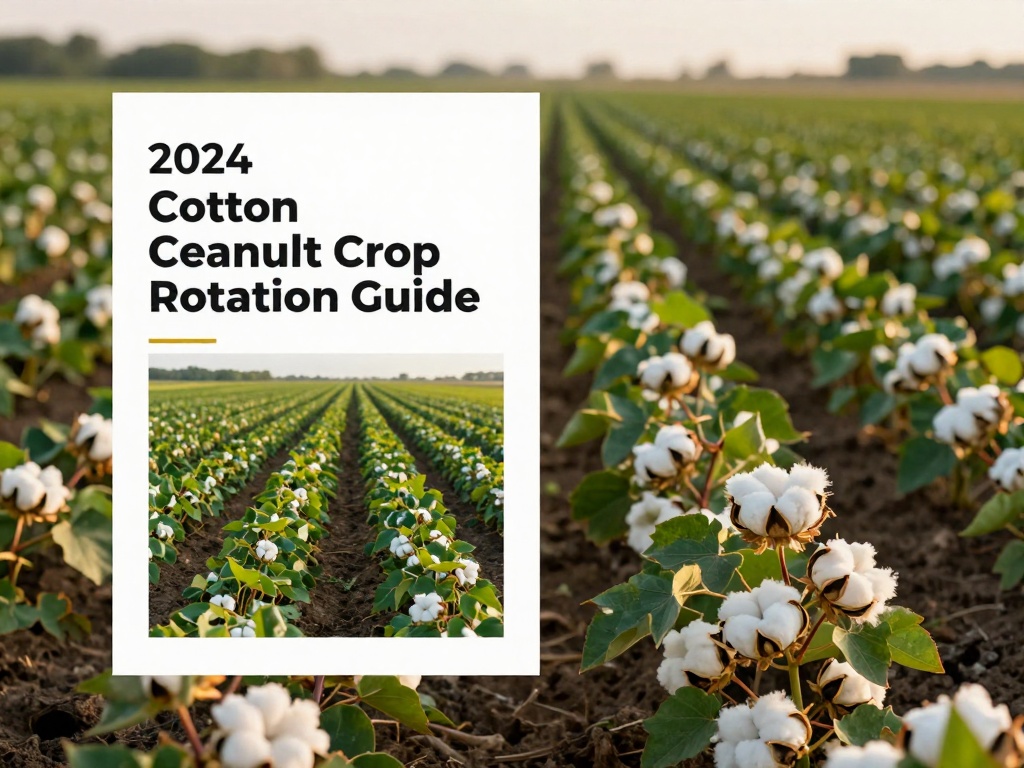
2024 Cotton Peanut Crop Rotation Guide: Proven Tips to Boost Farm Yields
The 2024 cotton peanut crop rotation guide is built for small-scale and commercial farmers across the U.S. Cotton Belt looking to fix common monocropping pain points, including soil depletion, pest buildup, and stagnant yields. University of Georgia research shows that rotating cotton and peanut increases net annual returns by up to 18% compared to planting the same crop year after year. This guide breaks down the science, implementation steps, and long-term benefits of this proven rotation system.
Core Benefits of Rotating Cotton and Peanuts
Improved Soil Fertility and Structure
Peanuts are legumes, which naturally fix atmospheric nitrogen into the soil, cutting the amount of synthetic nitrogen fertilizer cotton needs in the following growing season by 30-40%. Cotton is a heavy nitrogen feeder, so it perfectly utilizes the residual nutrients left by peanut crops. Rotating these two also reduces soil compaction, as peanuts have deep taproots that break up hardpan, while cotton’s fibrous root system improves topsoil stability.
Reduced Pest and Disease Pressure
Monocropping cotton leads to population spikes of boll weevils, fusarium wilt, and root-knot nematodes that overwinter in field soil. Rotating with peanuts interrupts the life cycle of these cotton-specific pests, cutting annual pesticide use by up to 25%, per 2023 data from the University of Arkansas Division of Agriculture. Peanut-specific threats like tomato spotted wilt virus also decline when fields are planted with cotton the following season.
Higher, More Stable Annual Yields
USDA data shows farmers who rotate cotton and peanuts report 12-15% higher cotton yields and 8-10% higher peanut yields than monocropping counterparts. Diversifying crop revenue also reduces financial risk, as cotton and peanut prices often fluctuate independently, shielding farmers from sudden market shocks. This rotation also lowers the risk of total crop failure from extreme weather, as the two crops have slightly different drought and heat tolerance thresholds.
Step-by-Step Implementation of Your Rotation Plan
2-Year Basic Rotation for Beginner Farmers
The simplest, most widely adopted rotation cycle is a 2-year sequence that works for most low-to-moderate pest pressure fields in the Cotton Belt. Year 1: Plant cotton in all field blocks, following local extension seeding and fertilization guidelines for your region. Year 2: Plant peanuts in the same blocks, leveraging cotton’s residual soil structure, and add only a small amount of starter phosphorus fertilizer to support early peanut growth. Repeat the cycle annually for consistent, reliable results.
3-Year Advanced Rotation for High-Pest Zones
For farmers dealing with persistent nematode or fusarium wilt pressure, add a third cover crop to the rotation to amplify pest suppression. The 3-year sequence is Year 1: Cotton, Year 2: Peanut, Year 3: Cereal rye or sorghum-sudangrass. The grass cover crop in year 3 further breaks pest cycles, adds 2-3 tons of organic matter per acre, and suppresses weeds before the cycle resets with cotton. Alabama Cooperative Extension data shows this system reduces root-knot nematode populations by up to 40% within two cycles.
Critical Management Tips for Rotation Success
Test your soil annually to adjust fertilizer rates, as excess residual nitrogen from peanuts can lead to overly vegetative cotton growth that increases boll rot risk. Use resistant varieties for both cotton and peanuts to complement rotation benefits and add an extra layer of pest protection. Avoid planting cotton behind peanuts in fields with a history of aflatoxin contamination, as untreated crop residue can transfer pathogens to the next growing season.
Long-Term Sustainability Impacts
Rotating cotton and peanuts supports regenerative agriculture goals by reducing synthetic input reliance, increasing soil organic matter by 0.2% annually over five years, and cutting water runoff from fields by 18% compared to monocropped cotton, per a 2024 study in the Journal of Sustainable Agriculture. This system also lowers the carbon footprint of both crops, as reduced fertilizer and pesticide production and application cuts greenhouse gas emissions by 12% per acre annually.
Frequently Asked Questions
Can I rotate cotton and peanuts in any U.S. growing region?
This rotation works best in the U.S. Cotton Belt, which includes Texas, Georgia, Alabama, Florida, Oklahoma, and North Carolina. Both crops share similar warm climate and well-drained sandy loam soil requirements, so they are perfectly matched for these regions. Farmers outside the Cotton Belt can test small plot rotations if their local climate supports both crop growth cycles.
How much net profit can I gain from switching to this rotation?
USDA farm survey data shows the average farmer saves $75-$120 per acre annually on fertilizer and pesticide costs, plus earns an extra $75-$80 per acre from higher yields. This adds up to a total net gain of $150-$200 per acre each year for most operators, making the rotation one of the highest-return farm management changes you can implement.
Is no-till farming compatible with cotton peanut crop rotation?
Yes, no-till farming works exceptionally well with this rotation system. No-till preserves the soil structure benefits of both crops, reduces erosion by 30% compared to conventional tillage, and lowers input costs by eliminating annual tillage passes. Most land-grant university extension services recommend no-till for cotton-peanut rotations to maximize long-term soil health and profit margins.
No comments