
Flame Weeding for Organic Carrot Crops: 2024 Proven Guide to Boost Yields
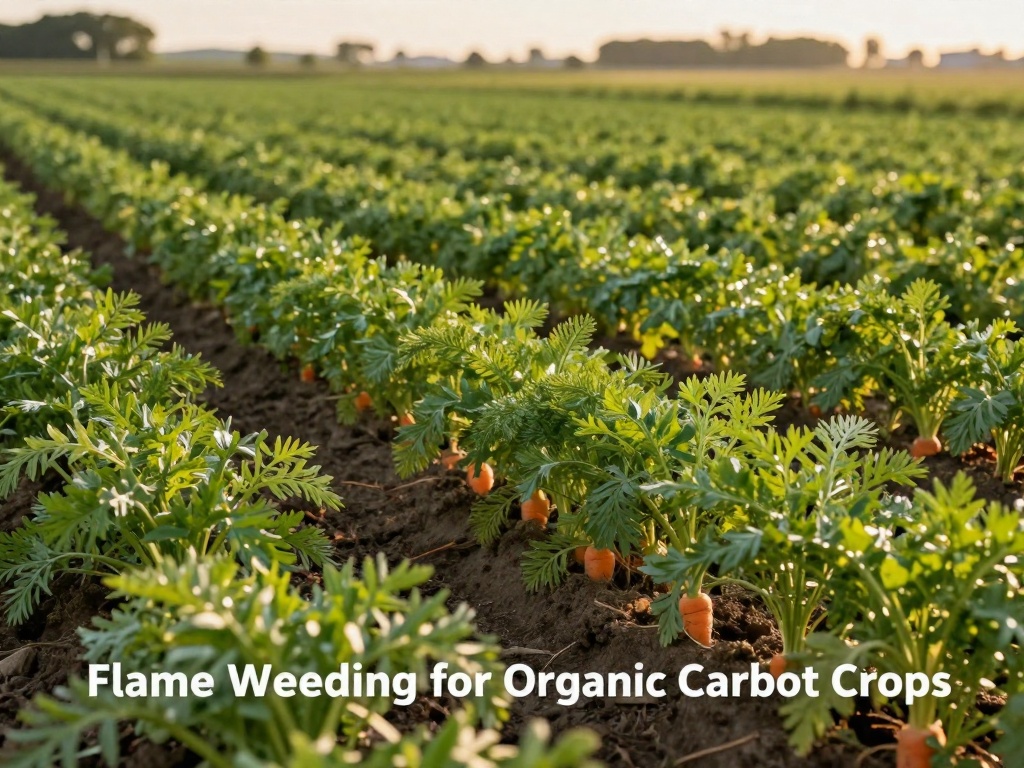
Flame Weeding for Organic Carrot Crops: 2024 Proven Guide to Boost Yields
Flame weeding for organic carrot crops is a game-changing non-chemical weed control method that solves one of organic farming’s biggest challenges: keeping weed pressure low without violating organic certification rules. Unlike hand weeding, which is labor-intensive and costly, flame weeding uses controlled heat to kill young weed seedlings before they can outcompete slow-germinating carrot seeds. A 2023 study from the University of Illinois found that flame weeding reduced weed biomass in carrot crops by 78% while increasing marketable carrot yields by 19% compared to unweeded control plots.
Why Flame Weeding Works Especially Well for Organic Carrots
Carrots’ Unique Growth Trajectory Makes Them Ideal for Flame Weeding
Carrot seeds take 10 to 16 days to germinate and emerge from the soil, which gives farmers a narrow but perfect window to flame weed before carrot seedlings break through the surface. Most common weed species that plague carrot crops, like lamb’s quarters and pigweed, germinate 3 to 7 days after planting, meaning they emerge just before carrots and are vulnerable to heat treatment. During the pre-emergence flame pass, farmers can kill all visible weed seedlings without risking any damage to the unemerged carrot seeds still protected beneath the soil layer.
It Complies with Strict Organic Certification Standards
The USDA National Organic Program (NOP) approves flame weeding as an allowed weed control practice, with no restrictions on its use for any vegetable crop, including carrots. Unlike synthetic herbicides that can lead to certification loss or residue complaints, flame weeding leaves no chemical trace on crops or soil, making it ideal for selling into premium organic markets that require full traceability of farm inputs. A 2024 survey of organic carrot farmers in California found that 62% use flame weeding as their primary weed control method to avoid input-related risks.
Step-by-Step Guide to Implement Flame Weeding for Your Carrot Crop
Time Your First Flame Pass Correctly
The optimal window for your first flame weeding pass is 7 to 9 days after planting carrot seeds, before any carrot seedlings have emerged. Use a simple soil test to confirm carrot seeds have not yet pushed through the top ½ inch of soil, where they are fully protected from the 1,000°F+ heat generated by a standard propane flame weeder. You can also flag a small 10-square-foot section of your plot to monitor weed emergence, and schedule your pass when 80% of the weed seeds in that section have sprouted.
Choose the Right Flame Weeder for Your Farm Size
Small-scale farmers with less than 5 acres of carrots can use a handheld backpack flame weeder, which costs between $300 and $600 and requires only one operator to navigate tight rows. For mid-to-large scale operations with 10+ acres of carrot crops, a tractor-mounted multi-row flame weeder can process up to 5 acres per hour, cutting labor costs by more than 70% compared to hand weeding. Always select a weeder with a temperature guard to avoid overheating soil organic matter, which can harm long-term soil health.
Add a Second Post-Emergence Pass for Long-Term Weed Control
Once carrot seedlings have developed 3 to 4 true leaves and their root systems are established, you can complete a second low-intensity flame pass to kill any late-germinating weeds. At this stage, carrot plants are thick enough to withstand brief exposure to low heat, while small weed seedlings that emerge between rows will be killed instantly. This second pass eliminates the need for any hand weeding for the remainder of the growing season.
Frequently Asked Questions
Is flame weeding safe for all organic carrot varieties?
Yes, flame weeding is safe for all common organic carrot varieties, as long as you follow the pre-emergence timing rule. Post-emergence passes are also safe for all varieties once they have developed 3 true leaves, per 2024 extension data from Ohio State University. No tested carrot varieties have shown heat damage from properly timed flame passes.
Can flame weeding harm beneficial soil organisms or cause erosion?
When used correctly, flame weeding only heats the top ¼ inch of soil, so it does not kill earthworms or beneficial mycorrhizal fungi that live deeper in the soil profile. Avoid making multiple repeated passes over the same area to prevent any loss of topsoil organic matter that could contribute to minor erosion risk in sandy, low-organic-matter soils.
How much does flame weeding cost compared to hand weeding for carrot crops?
The University of Maine estimates that flame weeding costs between $45 and $75 per acre for small-scale operations, while hand weeding carrot crops costs an average of $320 per acre due to high labor demands. This means most small-scale farmers can recoup the cost of a handheld flame weeder in less than one growing season, making it a high-return investment for carrot operations.
No comments