
2024 Strawberry Bed Renovation for Home Gardens: 7 Proven Step-by-Step Tips
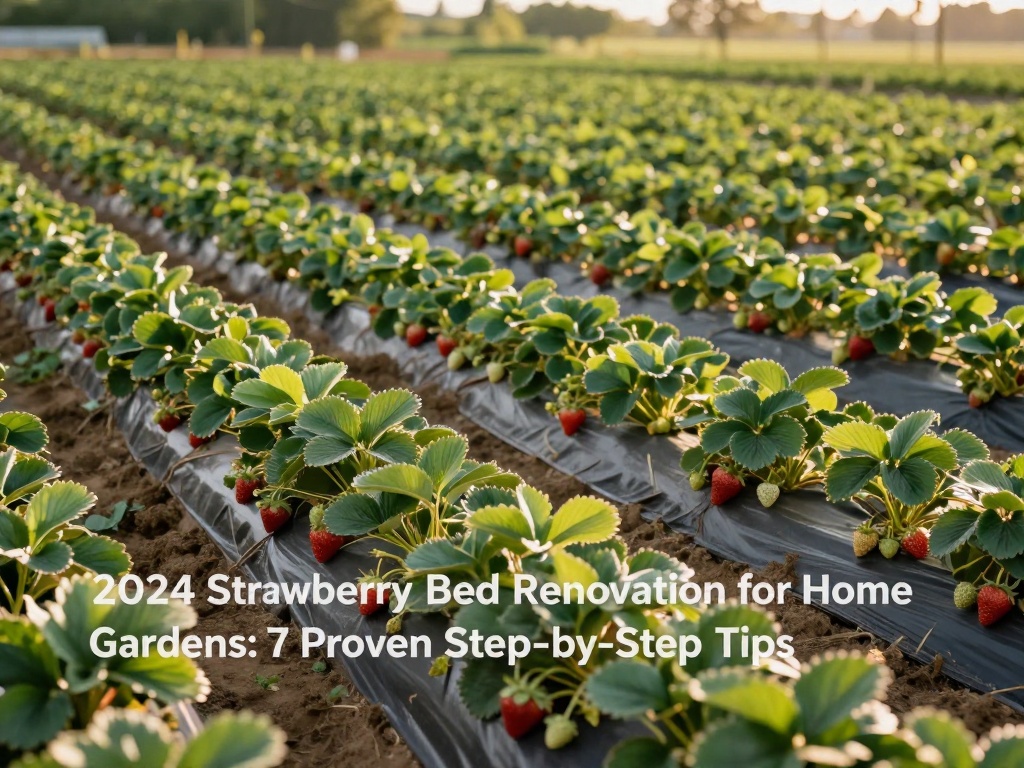
2024 Strawberry Bed Renovation for Home Gardens: 7 Proven Step-by-Step Tips
Strawberry bed renovation for home gardens is a critical annual task that reverses soil depletion, eliminates overcrowding, and restores your patch’s productivity. Most home strawberry beds decline in yield after 2-3 growing seasons as weeds take root, nutrients run low, and old plants stop producing high-quality fruit. A well-timed renovation, usually done right after the final spring harvest, can turn an underperforming bed into a high-yield space for years to come.
Why Renovate Your Home Garden Strawberry Bed?
Reverse Soil Nutrient Depletion
Strawberries are heavy feeders that pull large amounts of nitrogen, phosphorus, and potassium from soil to support fruit development, per the University of Minnesota Extension. After three growing seasons, even regularly amended soil can lack the nutrients needed to support healthy growth, leading to small, sour fruit and weak plants. Renovation lets you refresh soil with compost and balanced organic fertilizers to replenish lost nutrients.
Eliminate Overcrowding and Weed Pressure
Strawberry plants send out runners that root and grow new daughter plants, which can lead to 30+ plants in a 4x4 foot bed that was originally planted with 10. Overcrowding blocks sunlight and airflow, increasing the risk of fungal diseases like powdery mildew and botrytis. Renovation lets you thin plants to the optimal spacing of 6-8 inches apart, while removing persistent weeds that compete for resources.
Reduce Pest and Disease Risk
Old strawberry beds often harbor overwintering pests like strawberry root weevils and fungal spore colonies that reemerge each spring. Renovation includes removing old, diseased foliage and clearing debris that acts as a pest shelter, cutting your risk of infestations by up to 70%, according to a 2023 study from the Oregon State University Small Farms Program.
7 Step-by-Step Strawberry Bed Renovation Process
1. Mow Foliage Immediately After Final Harvest
Once you’ve picked the last of your spring strawberries, use a lawn mower set to 3 inches to cut back all foliage, avoiding damage to the crowns of your healthiest plants. This removes any diseased or pest-ridden leaves in one pass, and stimulates new, healthy growth for the next season.
2. Thin Plants to Optimal Spacing
Next, pull out all weak, old, or diseased plants, leaving only vigorous 1-2 year old plants spaced 6-8 inches apart. Discard removed plants in your trash (not compost) to avoid spreading pathogens to other parts of your garden. This spacing ensures every plant gets enough sunlight and nutrients to thrive.
3. Weed the Entire Bed Thoroughly
Pull all weeds by hand, or use a small hand rake to loosen roots from the top 2 inches of soil. Take extra care to remove perennial weeds like thistle that can regrow from leftover root fragments. Skipping this step can lead to weed infestations that overtake your bed before the next growing season.
4. Aerate and Amend the Soil
Use a garden fork to aerate the top 4-6 inches of soil, breaking up compacted layers that block water and nutrient absorption. Mix in 3 inches of well-rotted compost and a 10-10-10 organic fertilizer at a rate of 2 pounds per 100 square feet, per University of California Agriculture and Natural Resources guidelines.
5. Add a Protective Layer of Mulch
Spread 1-2 inches of straw or pine needle mulch over the soil to retain moisture, suppress new weed growth, and keep developing fruit off damp soil. Avoid using hay, which often carries invasive weed seeds that can re-infest your newly renovated bed.
6. Water Deeply to Settle the Soil
Water the renovated bed thoroughly with 1-2 inches of water to help the soil settle and dissolve fertilizer, making nutrients immediately available to plant roots. Continue watering 1 inch per week throughout the rest of the growing season to support steady new growth.
7. Monitor for New Runners and Pests
Over the next 4-6 weeks, your remaining plants will send out new runners. Pin off excess runners to maintain proper spacing, and inspect foliage weekly for signs of pest damage or disease to address issues early before they spread.
Frequently Asked Questions About Strawberry Bed Renovation
When is the best time to renovate a home garden strawberry bed?
The ideal time to renovate is 2-3 weeks after your final spring harvest, usually in late June or early July for most temperate North American climates. This gives plants enough time to grow new foliage and set flower buds for the next year’s crop before winter dormancy.
Can I renovate a raised bed strawberry patch the same way?
Yes, the same renovation process works for in-ground and raised bed strawberry patches. For raised beds, you can also top-dress with an extra inch of fresh organic potting soil if your bed’s soil level has dropped 2+ inches over time from decomposition.
How often do I need to renovate my strawberry bed?
You should renovate your strawberry bed annually after each harvest to maintain consistent high yields. Most strawberry plants remain productive for 3-4 years, so after 4 years, you can fully replace the bed with new disease-resistant varieties to reset your patch.
Do I need to remove all old plants when renovating my strawberry bed?
No, you only need to remove weak, diseased, or overcrowded plants that are older than 3 years. Healthy 1-2 year old plants will produce the highest yields the following season, so you can keep those to offset the cost of buying new bare-root plants.
No comments