
Buckwheat Cover Crop for Pollinator Support: 2024 Guide to Boost Farm Biodiversity
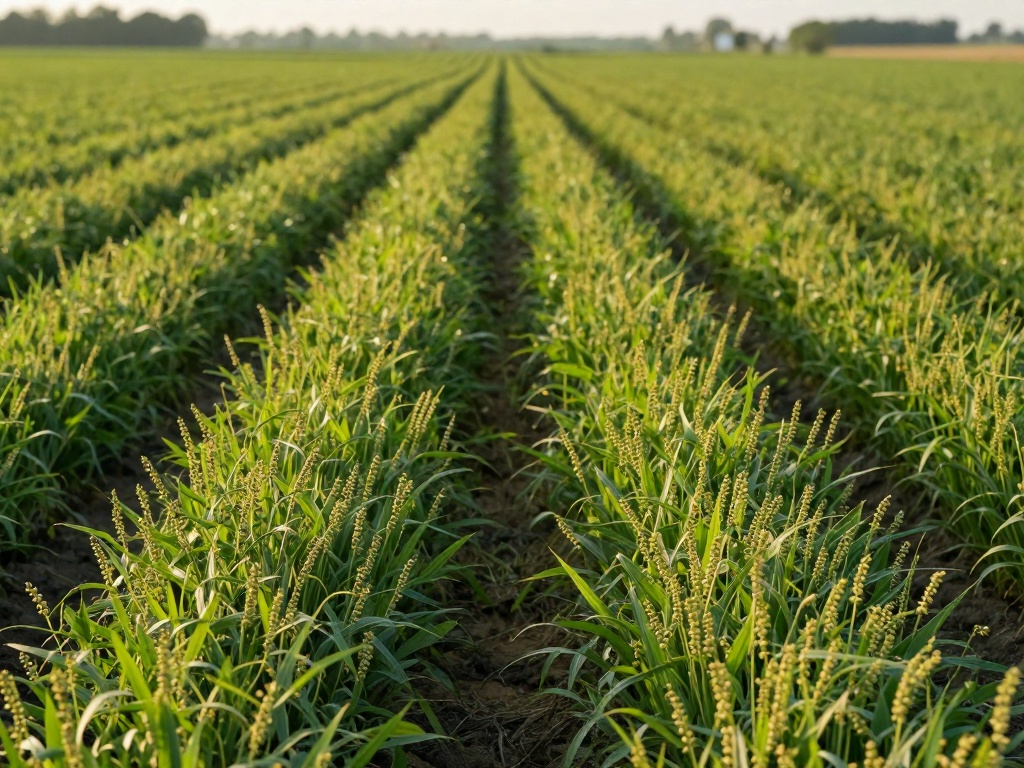
Buckwheat Cover Crop for Pollinator Support: 2024 Guide to Boost Farm Biodiversity
The buckwheat cover crop for pollinator support has emerged as a dual-purpose workhorse for small-scale and commercial farms across the U.S., per 2023 data from the Xerces Society for Invertebrate Conservation. Unlike many cover crops that only boost soil health, buckwheat delivers rapid soil enrichment while feeding bees, butterflies, and other critical pollinators that underpin 75% of global food crop production. It’s a low-input, fast-growing solution that addresses two of modern farming’s biggest challenges: declining soil fertility and plummeting pollinator populations.
Why Buckwheat Stands Out for Pollinator Support
Fast-Growing High-Energy Nectar Source
Buckwheat matures in just 6-8 weeks after planting, making it ideal for filling gaps between cash crop cycles. It produces abundant, easily accessible nectar that delivers 2-3 times more sugar per flower than white clover, per a 2022 study from Penn State’s College of Agricultural Sciences. This high-energy food source attracts bumblebees, honeybees, and native solitary bees that are critical for pollinating nearby fruit, vegetable, and nut crops.
Supports Over 50 Native Pollinator Species
Unlike single-purpose pollinator plants that only attract a handful of species, buckwheat has been recorded supporting more than 50 native bee species, plus monarch butterflies and other beneficial insects, per Xerces Society data. It also blooms for 3-4 consecutive weeks, extending the foraging window for pollinators that often face food shortages between mid-summer cash crop bloom periods.
Additional Farm Benefits of Buckwheat Cover Crops
Boosts Soil Health and Suppresses Weeds
Beyond pollinator support, buckwheat delivers core cover crop benefits that cut long-term farm input costs. Its dense foliage shades out common weeds like pigweed and lambsquarters, reducing reliance on synthetic herbicides. It also scavenges excess phosphorus and other nutrients from the soil, preventing runoff and making those nutrients available for future cash crops.
Low-Maintenance to Plant and Terminate
Buckwheat is adaptable to most soil types, including low-fertility soils that struggle to support other cover crops. It requires minimal tillage to plant, and it can be terminated by mowing or rolling 1-2 weeks after full bloom to incorporate its nutrient-dense organic matter back into the soil. Unlike legume cover crops, it doesn’t require bacterial inoculation, cutting down on pre-planting prep time and costs.
Best Practices to Maximize Pollinator Benefits
Stagger Plantings to Extend Bloom Windows
To maximize pollinator foraging time, plant buckwheat in successive batches 2-3 weeks apart. This staggered planting creates a continuous bloom window from mid-summer through early fall, when wild pollinator food sources are often scarce. For most temperate U.S. regions, you can plant buckwheat as late as 6 weeks before the first fall frost to achieve a full bloom cycle.
Avoid Pesticide Exposure During Bloom
Even many organic-approved pesticides can harm pollinators if applied while buckwheat is in bloom. Reserve any pest control treatments for before or after the buckwheat bloom period, and use integrated pest management (IPM) strategies to protect both pollinators and cash crops. Collaborate with your local county extension agent to tailor pest control plans to your region’s specific pest pressures.
Frequently Asked Questions
When is the best time to plant buckwheat as a pollinator cover crop?
For most North American temperate regions, plant buckwheat between late spring and mid-summer, at least 6 weeks before you need to prep your fields for fall cash crops. Staggering plantings every 2-3 weeks extends the bloom window, supporting pollinators for months rather than weeks.
Can buckwheat support pollinators beyond just honeybees?
Yes, buckwheat supports a wide range of species beyond domestic honeybees, including more than 50 native bee species, monarch butterflies, and even hummingbirds. It also attracts beneficial predatory insects that control common farm pests like aphids, creating a more balanced farm ecosystem.
Can I mix buckwheat with other cover crops for better pollinator support?
Yes, mixing buckwheat with clover, phacelia, or sunn hemp creates a diverse foraging habitat that supports even more pollinator species. The mix also layers soil health benefits: legumes like clover fix nitrogen, while buckwheat scavenges phosphorus, leading to healthier, more fertile soil for future crops.
No comments