
Peach Tree Brown Rot Organic Treatment: 7 Proven 2024 Methods That Work
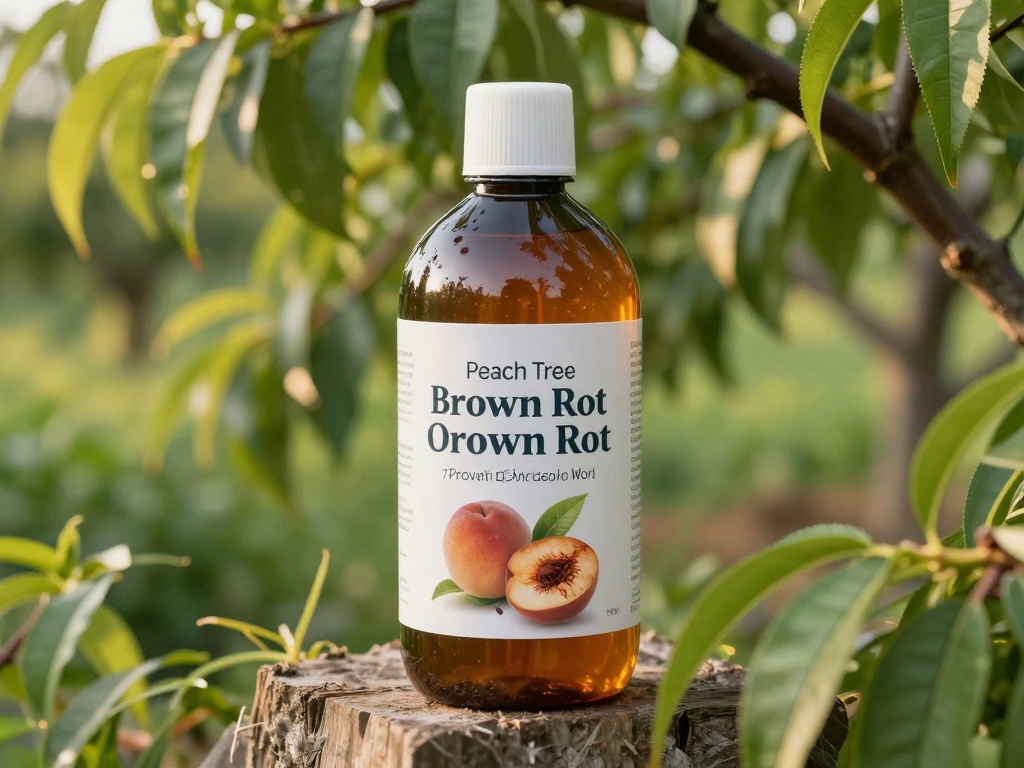
Peach Tree Brown Rot Organic Treatment: 7 Proven 2024 Methods That Work
Peach tree brown rot, a devastating fungal disease caused by Monilinia fructicola, can ruin up to 90% of an unprotected peach harvest in wet growing seasons, per the University of California Statewide IPM Program. If you’re searching for reliable peach tree brown rot organic treatment options, you can avoid harsh synthetic fungicides while saving your valuable crop. These organic methods target the fungus at every stage of its lifecycle, from overwintering spores to active infections on ripening fruit.
What Is Peach Tree Brown Rot, And Why Does It Spread So Fast?
Brown rot is the most common and destructive fungal disease affecting stone fruit trees like peaches, plums, and cherries in North America, according to the USDA Agricultural Research Service. Key signs of infection include brown, mushy spots on ripening fruit that quickly develop tan, fuzzy spore masses, as well as blighted new twigs and flower blossoms.
The fungus spreads rapidly via wind, rain splash, and pollinating insects, thriving in mild temperatures between 50°F and 75°F and extended periods of leaf wetness. A single infected fruit can produce millions of spores that infect neighboring trees in days, making early intervention critical.
Top 7 Proven Organic Treatment Methods For Peach Tree Brown Rot
1. Winter Orchard Sanitation
Sanitation is the foundation of any effective peach tree brown rot organic treatment plan, as fungal spores overwinter in mummified fruit and infected twigs left on the tree or ground. The University of Georgia Extension recommends removing all mummified peaches and pruning out blighted twigs before bud break in late winter. Dispose of infected material by burying it 12+ inches deep or burning it; never add it to home compost piles, as most don’t reach temperatures hot enough to kill spores.
2. OMRI-Listed Copper Fungicide Sprays
Copper-based fungicides are approved for organic production and work by preventing fungal spore germination before infections take hold. Apply copper sprays at 50% petal fall, and repeat every 7-10 days during extended wet periods, per Oregon State University Extension. Avoid overapplying copper, as it can accumulate in soil and harm beneficial earthworms and microbes over time.
3. Cold-Pressed Neem Oil Applications
Neem oil, a natural plant extract from the neem tree, suppresses spore growth and also repels the insect pests that often spread brown rot spores between trees. It can be applied up to 7 days before harvest, making it safe for use on ripening peaches. Avoid applying neem oil during the heat of midday, as it can cause leaf sunscald in warm weather.
4. OMRI-Listed Biofungicides
Biofungicides containing beneficial bacteria like Bacillus subtilis or Bacillus amyloliquefaciens outcompete brown rot fungi for resources, stopping infections from developing. These treatments are most effective when applied as a preventive measure before symptoms appear, and can be used throughout the growing season without risk to pollinators.
5. Strategic Pruning For Air Flow
Pruning your peach tree to create an open canopy improves air circulation and sunlight penetration, which dries leaf and fruit surfaces faster and reduces the wet conditions brown rot needs to thrive. Prune during the dormant winter season to remove crossing branches, and thin fruit to 6-8 inches apart on branches to prevent close contact that spreads rot.
6. Plant Resistant Peach Varieties
For long-term prevention, choose peach tree varieties bred for natural brown rot resistance, including Candor, Contender, and Madison. These varieties have built-in genetic defenses that reduce infection risk, cutting the need for ongoing treatments in home or commercial orchards.
7. Adjust Harvest Timing
Overripe peaches are far more susceptible to brown rot infection, so harvest fruit as soon as it reaches full ripeness. Check your trees daily during harvest season, and remove any damaged or overripe fruit immediately to stop spore production.
Frequently Asked Questions
Can I use baking soda to treat peach tree brown rot organically?
While some home gardeners use baking soda sprays to suppress very mild, early-stage infections, most university extension programs do not recommend it as a reliable treatment. Baking soda only creates a temporary alkaline environment that slows spore growth and will not stop widespread, established brown rot infections.
How soon do organic treatments stop brown rot from spreading?
Organic treatments work preventively, not curatively, meaning they stop new infections from developing but cannot save fruit that is already rotted. When applied correctly, you should see no new infections develop within 7-10 days, as long as weather conditions stay relatively dry. Remove all infected fruit promptly to eliminate spore sources.
Are organic peach tree brown rot treatments safe for bees and pollinators?
Most OMRI-listed organic treatments, including copper sprays, neem oil, and biofungicides, are safe for pollinators when applied outside of bloom periods. Avoid spraying any treatment while flowers are open, as even organic products can harm foraging bees if they come into direct contact with wet spray.
No comments