
Black Plastic Mulch for Vegetable Gardens: 7 Proven 2024 Benefits to Boost Yields
Black Plastic Mulch for Vegetable Gardens: 7 Proven 2024 Benefits to Boost Yields
Black plastic mulch for vegetable gardens is a time-tested tool that small-scale and commercial growers rely on to elevate crop health and output. Used for over 50 years in mainstream agriculture, this inexpensive garden amendment solves common growing pain points from weed pressure to inconsistent soil temperatures. Data from the University of Illinois Extension shows that black plastic mulch can increase tomato yields by up to 20% compared to un-mulched soil.
What Is Black Plastic Mulch, Exactly?
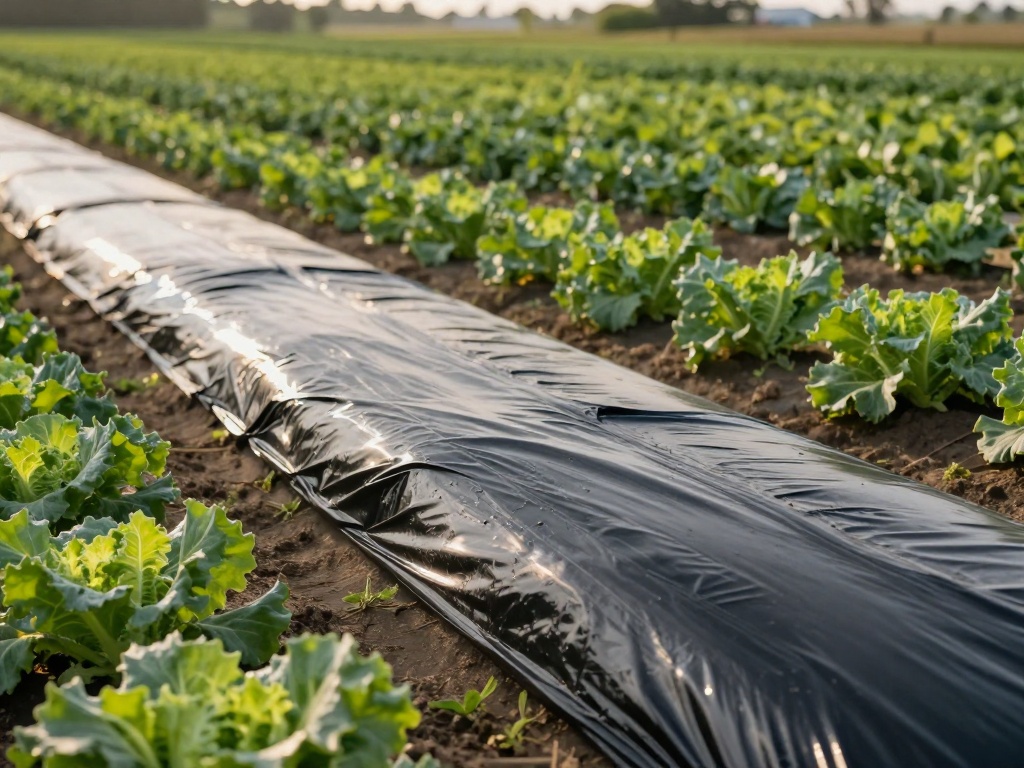
Black plastic mulch is a thin, light-blocking polyethylene sheet laid over garden soil before transplanting or seeding vegetables. Most home gardeners use 1-mil to 6-mil thick sheets, with 4-mil being the most versatile for single-season use. Unlike organic mulches like straw or wood chips, black plastic creates a permanent physical barrier that modifies the soil environment throughout the growing cycle.
Top 7 Proven Benefits of Black Plastic Mulch
1. Faster Soil Warming for Earlier Planting
Black plastic absorbs solar radiation, raising soil temperatures by 5 to 10 degrees Fahrenheit in early spring, per Oregon State University Extension. This allows growers to plant warm-season crops like peppers, melons, and tomatoes 1 to 2 weeks earlier than un-mulched soil, extending the growing season for higher overall yields.
2. Near-Elimination of Weed Pressure
The opaque black sheet blocks all sunlight from reaching weed seeds in the soil, preventing 90% of common garden weeds from germinating. This cuts down on time spent weeding by 70% for most vegetable gardeners, and eliminates the need for synthetic herbicides for weed control.
3. Reduced Water Evaporation
Black plastic mulch reduces soil water evaporation by up to 50%, according to a 2023 study from the University of California Agriculture and Natural Resources. This is a major benefit for gardeners in drought-prone regions, cutting water usage and keeping root zones consistently moist for optimal growth.
4. Cleaner Harvests With Less Soil-Borne Disease
The plastic barrier keeps rain from splashing soil-borne pathogens like blight and rot onto low-hanging vegetable foliage and fruit. Crops like strawberries, squash, and cucumbers stay clean and free of soil marks, reducing post-harvest cleaning time and lowering the risk of crop loss from fungal diseases.
5. Stable Soil Temperatures Through Summer
While it warms soil early in the season, black plastic also stabilizes soil temperatures through hot summer months, preventing root stress from extreme heat swings. This is especially critical for root vegetables like carrots and beets, which require consistent cool root zones to develop properly.
6. Higher Overall Crop Yields
Combined, the above benefits lead to an average 15-30% increase in vegetable yields for most home gardeners, per USDA data. Warm-season crops like melons and tomatoes see the largest gains, as they thrive in the warm, weed-free, consistently moist growing conditions black plastic creates.
7. Cost-Effective and Easy to Install
A 4-foot by 100-foot roll of black plastic mulch costs around $20, enough to cover most small home vegetable gardens. Installation takes just 1 to 2 hours for a 1,000 square foot garden, making it accessible for new and experienced growers alike.
How to Use Black Plastic Mulch in Your Garden
Prep Your Soil First
Before laying the plastic, test and amend your soil with compost, fertilizer, or lime as needed. Till the soil to a fine texture, remove any large rocks or plant debris that could tear the plastic, and shape raised beds to improve drainage.
Lay and Secure the Plastic
Unroll the plastic sheet over your prepared beds, pulling it tight to eliminate wrinkles. Secure the edges with landscape staples, buried soil, or rocks to prevent wind from lifting the sheet. For raised beds, cut the plastic to fit the exact dimensions of the bed for a snug fit.
Cut Planting Holes
Use a sharp utility knife to cut 3 to 4 inch X-shaped holes in the plastic, spaced according to the seed packet requirements for your vegetable crops. Transplant seedlings or place seeds directly through the holes, then water thoroughly to settle the soil around the roots.
Frequently Asked Questions
Is black plastic mulch reusable for multiple growing seasons?
Yes, 4-mil or thicker black plastic mulch can be cleaned, stored, and reused for 2 to 3 growing seasons if you avoid tearing it during removal. Thinner 1-mil sheets are designed for single-season use only.
Is black plastic mulch harmful to the environment?
Traditional polyethylene plastic is not biodegradable, but many brands now sell BPI-certified biodegradable black plastic mulch that breaks down in soil at the end of the season. You can also recycle clean, dry conventional black plastic mulch at most local agricultural waste facilities.
What vegetables should not be grown with black plastic mulch?
Cool-season crops that prefer consistently cool soil, like lettuce, spinach, peas, and kale, do not grow well with black plastic mulch. The raised soil temperatures can cause these crops to bolt prematurely, leading to reduced yields and poor flavor.
No comments