
2024 Potato Hilling Guide for Small Gardens: 7 Proven Tips to Boost Yields
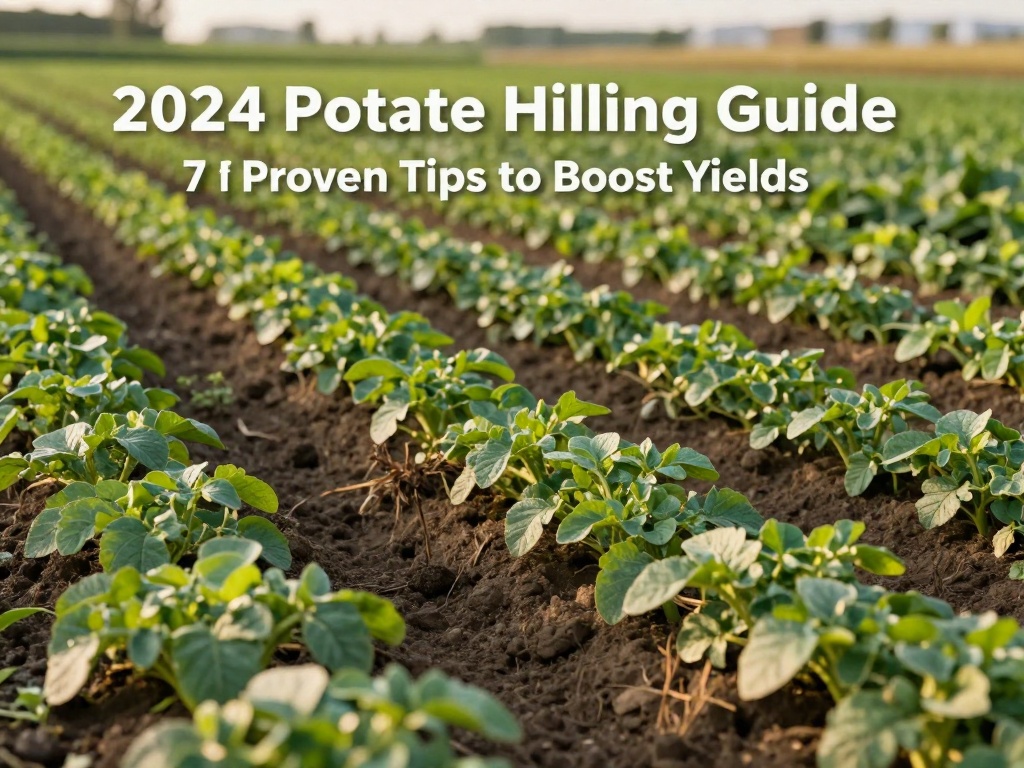
2024 Potato Hilling Guide for Small Gardens: 7 Proven Tips to Boost Yields
Whether you’re growing Yukon Golds or Russets in a 4x4 raised bed, this potato hilling guide for small gardens gives you the actionable steps to maximize your limited space. Potato hilling is the process of piling soil, straw, or compost around growing potato plants to encourage tuber development and protect them from environmental stress. For small gardens, proper hilling eliminates wasted space and ensures every plant produces a full, healthy harvest.
What Is Potato Hilling, And Why Does It Matter For Small Gardens?
Hilling works because potato tubers grow from underground stems called stolons, which develop only in dark, cool soil. Exposed tubers turn green from sunlight, a process that produces toxic solanine that makes spuds unsafe to eat. Hilling also prevents tubers from pushing above soil as plants grow, a common risk in small raised beds with limited root depth.
USDA agricultural research shows that properly hilled potato plants produce up to 25% larger yields than unhilled plants, a critical gain for small gardens that can only support a handful of potato plants. Hilling also improves drainage, preventing rot that can wipe out an entire small plot of spuds in wet seasons.
When To Start Hilling Potatoes In Small Gardens
Timing For All Potato Varieties
You’ll start your first hilling when potato plants reach 6 to 8 inches tall, a rule that applies to early, mid, and late-season potato varieties. For early-season varieties, this usually falls 3 to 4 weeks after planting, while late-season varieties may hit this height 5 to 6 weeks post-planting. Small gardeners can mark their planting date in a garden journal to avoid missing this critical first hilling window.
Clear Signs You’re Ready To Hill
Wait to hill until your plants have developed 3 to 4 sets of fully unfurled leaves. Hilling too early can smother young, fragile growth that hasn’t had time to establish strong roots. If you see any small tubers peeking through the soil surface, that’s a clear sign you need to add more growing medium immediately.
7 Proven Hilling Tips For Small Garden Success
1. Use Lightweight Growing Mediums To Avoid Smothering Plants
Skip heavy clay soil for hilling, especially in raised small garden beds. Use a mix of compost, shredded straw, and topsoil to create a light, well-draining medium that retains moisture without weighing down stems. This mix also adds nutrients to the soil as it breaks down, feeding your potato plants all season long.
2. Hill In Stages, Not All At Once
Add 3 to 4 inches of growing medium around the base of your plants during the first hilling. Repeat the process 2 to 3 weeks later, adding another 2 to 3 inches, until your hill reaches a total height of 12 inches. Staged hilling prevents overwhelming young plants and gives stolons time to develop new tubers with each addition.
3. Use Straw Mulch To Simplify Hilling In Container Gardens
If you’re growing potatoes in pots or small containers, use straw mulch instead of soil to cut down on excess weight. Straw is easy to add as you hill, and it keeps roots cool even in small, above-ground containers that heat up quickly in summer. It also simplifies harvest: just pull back the straw to collect your ripe spuds.
4. Always Leave 2 To 3 Inches Of Leaves Exposed
Never bury the entire top of your potato plant. Always leave the top set of leaves sticking out above your hill to keep the plant photosynthesizing. For small gardens, this rule ensures your plants stay healthy and produce enough energy to grow a full harvest, even with limited root space.
5. Hill Uniformly Around Every Plant’s Base
Avoid piling growing medium only on one side of your potato plant. Spread the medium evenly around the entire stem to prevent tubers from sticking out on unprotected sides. In small raised beds where plants are spaced just 12 inches apart, uniform hilling also prevents cross-contamination and rot between neighboring plants.
6. Add Landscape Fabric To Block Common Pests
Small gardeners often face common potato pests like Colorado potato beetles and wireworms. Add a thin layer of permeable landscape fabric between the original soil line and your hilling medium to block pests from reaching developing tubers. This trick doesn’t interfere with root growth and reduces the need for synthetic pesticides.
7. Stop Hilling Once Plants Begin To Flower
Once your potato plants begin to bloom, their primary tuber development is complete, and additional hilling won’t boost yields. Flowering is a natural signal to stop adding growing medium, and you can switch to consistent watering to support final tuber maturation. For most small garden varieties, this falls 8 to 10 weeks after planting.
Frequently Asked Questions About Potato Hilling For Small Gardens
How much space do I need between potato plants to hill properly?
In small raised beds, space seed potatoes 12 inches apart in rows that are 24 inches apart. This gives you enough room to build 12-inch tall hills between plants without overcrowding their root systems or limiting tuber growth.
Can I hill potatoes with only straw, no soil at all?
Yes, straw-only hilling works perfectly for small gardens. It’s lightweight, affordable, and simplifies harvest, as long as you add enough straw to keep all tubers fully covered and protected from sunlight that causes toxic greening.
Can I over-hill my potato plants?
Yes, over-hilling (burying all leaves or building hills taller than 12 inches) can smother your plants and reduce photosynthesis, leading to smaller yields. Sticking to the staged, gradual hilling method outlined in this guide eliminates this common mistake.
No comments