
Tomato Staking for High-Yield Home Gardens: 2024 Guide to Double Your Harvest
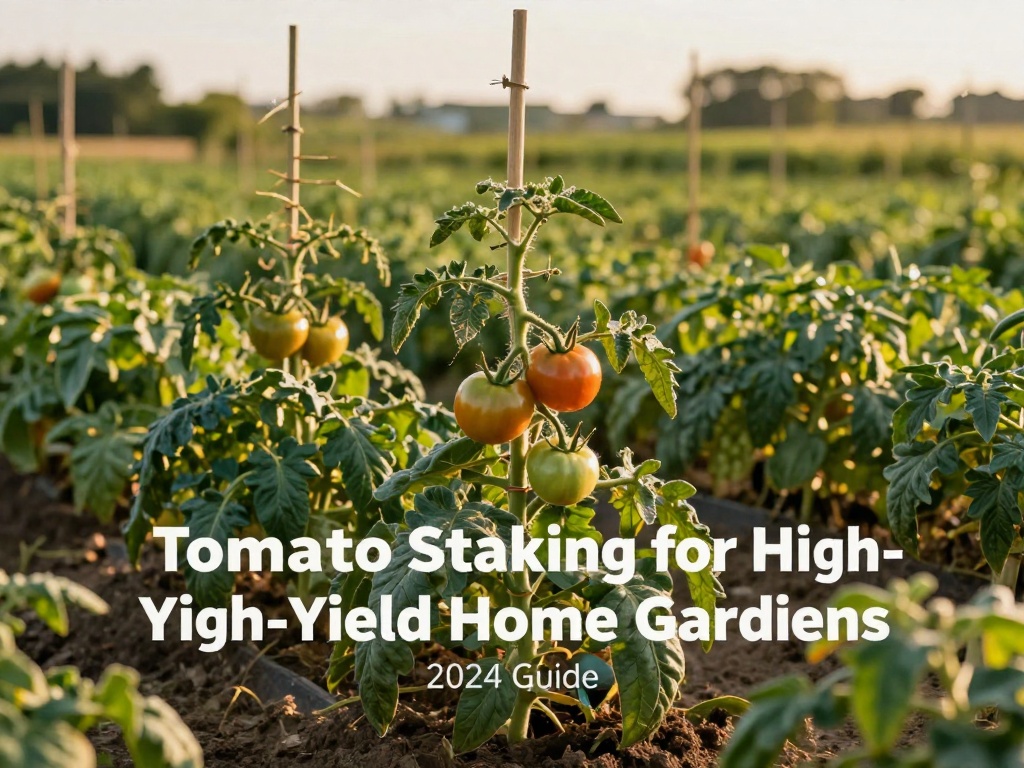
Tomato Staking for High-Yield Home Gardens: 2024 Guide to Double Your Harvest
If you’re growing tomatoes in your backyard, tomato staking for high-yield home gardens is one of the most impactful steps you can take to maximize your annual harvest. Unlike unsupported plants that sprawl across the ground, staked tomatoes get better air circulation, more consistent sunlight, and protection from common ground-dwelling pests and fungal diseases. A 2023 study from the University of Minnesota Extension found that staked tomato plants produce 20-30% more ripe fruit per season than unstaked alternatives, making the small upfront investment well worth the effort.
Why Tomato Staking Is Non-Negotiable for High Yields
Boosts Sunlight Exposure & Air Flow
Staking lifts tomato vines off the ground, so every leaf and fruit cluster gets unobstructed access to sunlight. Unsupported sprawling plants often grow in overlapping layers, leaving inner foliage and fruit shaded, which slows ripening and reduces overall output. Sunlight is critical for photosynthesis, which powers fruit development, so consistent exposure directly translates to larger, more abundant tomatoes.
Reduces Disease and Pest Pressure
Fungal diseases like early blight and septoria leaf spot thrive in the moist, shaded conditions that occur when tomatoes sit on damp soil. Staking keeps vines and fruit dry, cutting the risk of these common diseases by up to 60%, per Penn State Extension research. Staking also keeps tomatoes away from ground-dwelling pests like slugs, cutworms, and rodents that often destroy unprotected fruit.
Simplifies Harvest and Garden Maintenance
Staked tomato plants are organized and easy to navigate, so you can spot and pick ripe fruit in seconds instead of sorting through tangled vines. Pruning, watering, and fertilizing also become far less labor-intensive, as you can access every part of the plant without kneeling or moving heavy foliage. This reduced effort encourages regular garden maintenance, which further supports consistent high yields.
Top 3 Staking Methods for Home Garden Tomatoes
Single-Stake String Method
The single-stake method is the most budget-friendly, common approach for small home gardens. You’ll drive a 6-7 foot wooden or metal stake 1 foot into the ground, 2 inches away from each tomato seedling at planting time. As the vine grows, tie it loosely to the stake every 12 inches with garden twine or fabric strips to support its weight. This method works best for determinate tomato varieties that grow to a fixed mature size.
Cage Staking
Tomato cages are pre-formed wire structures that surround the entire plant, providing 360-degree support for sprawling vines. Cages work exceptionally well for indeterminate tomato varieties that grow continuously throughout the season, reaching heights of 10 feet or more. Look for cages that are at least 5 feet tall to avoid your vines outgrowing the support mid-season. A 2022 survey of home gardeners by the National Gardening Association found that cage staking is the most popular method, used by 58% of tomato growers.
Florida Weave Trellis Method
The Florida weave trellis method is ideal for gardeners growing 5 or more tomato plants in a single row. You’ll install tall posts at either end of the row, then weave strong garden twine between the posts, wrapping it around each vine as it grows to create a supportive grid. This method maximizes air flow and sunlight exposure for all plants, and it’s far less labor-intensive than staking individual plants for large plots. It’s a favorite among market gardeners and home gardeners with large backyard plots.
Pro Tips to Maximize Yields From Staked Tomato Plants
Stake Early to Avoid Root Damage
Always install your stakes, cages, or trellis posts within a week of transplanting your tomato seedlings into your garden. Driving stakes into the ground later in the season risks puncturing the plant’s extensive root system, which can stunt growth and reduce yields. Planting your supports early also eliminates the need to move large, heavy vines later in the season when they’re most vulnerable to breakage.
Prune Suckers to Direct Energy to Fruit
Indeterminate tomato varieties produce side shoots called suckers that grow in the crotch between the main vine and a branch. These suckers divert energy away from fruit production, so pruning them to leave only the main vine will boost your total yield. Staked plants are far easier to prune than sprawling plants, as you can clearly see and remove suckers as they grow.
Use Strong, Flexible Ties to Prevent Vine Damage
Avoid using wire or narrow plastic ties that can cut into tomato vines as they grow. Instead, use soft garden twine, old fabric strips, or purpose-made plant ties that stretch with the vine. Even a small cut to the main vine can introduce disease or limit the plant’s ability to transport water and nutrients to developing fruit, costing you harvests later in the season.
Frequently Asked Questions
What’s the best staking method for indeterminate tomato plants?
Cage staking or the Florida weave trellis method works best for indeterminate tomatoes, as these approaches support their continuous, sprawling growth. Single stakes can also work if you stay consistent with tying the vine up every 1-2 weeks throughout the growing season.
Can I reuse tomato stakes and cages from year to year?
Yes, you can reuse supports for 3-5 years if you clean them with a 10% bleach solution between seasons to kill any lingering fungal spores. This simple step prevents the spread of disease to new tomato plants each year.
How much more yield can I expect from staked tomato plants?
Per University of Minnesota research, staked tomato plants produce 20-30% more ripe fruit than unstaked plants. In ideal conditions, some growers see up to a 40% yield boost when combining staking with regular pruning and consistent fertilization.
Is staking only necessary for large tomato gardens?
No, staking benefits every type of tomato garden, from small 2-plant backyard plots to large commercial operations. Even potted tomato plants grown on patios benefit from small stakes to support their weight as they produce fruit.
No comments