
7 Proven Organic Squash Vine Borer Control Methods to Protect Your 2024 Garden
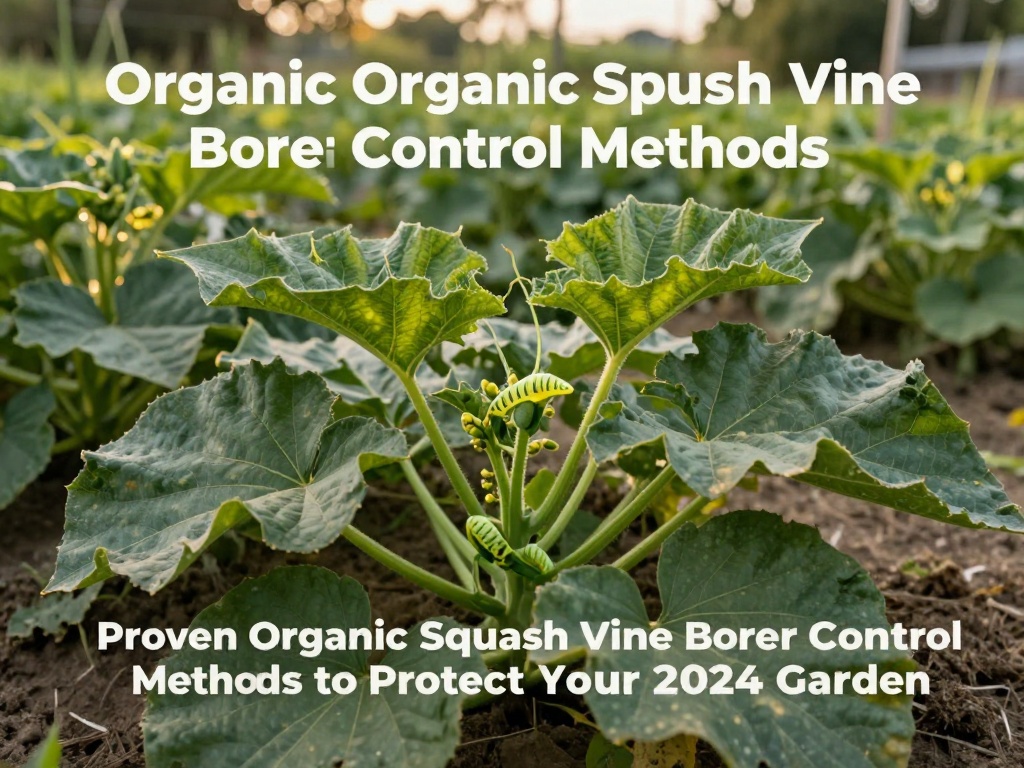
7 Proven Organic Squash Vine Borer Control Methods to Protect Your 2024 Garden
Squash vine borers are the most damaging pest for home garden and small-scale commercial cucurbit crops, with Penn State Extension reporting unmanaged infestations can wipe out 70-100% of a season’s harvest. For organic growers who cannot use synthetic pesticides, reliable organic squash vine borer control methods are non-negotiable to protect high-value crops like zucchini, pumpkins, and butternut squash. These common pests are native to most of North America, making them a persistent threat for growers across all USDA hardiness zones.
What Are Squash Vine Borers, And Why Are They So Destructive?
Squash vine borers are the larval stage of a clearwing moth that emerges from overwintering pupae in early summer. Adult moths lay small, reddish-brown eggs on the undersides of squash plant leaves, and eggs hatch in 7-10 days. New larvae immediately bore into the base of vine stems, cutting off the plant’s nutrient and water flow, which causes vines to wilt and die within days.
Borers are hard to target once they enter vine stems, which is why preventative control measures are far more effective than reactive treatments. They only produce one generation per year in most northern U.S. regions, though southern states may see two generations annually.
7 Proven Organic Squash Vine Borer Control Methods
1. Floating Row Cover Exclusion
The single most effective preventative measure, floating row covers block adult moths from accessing your plants to lay eggs. Install covers immediately after transplanting or when direct-seeded squash sprouts, and secure all edges with soil or landscape staples to prevent moths from sneaking in.
University of Minnesota research found that properly installed row covers reduce squash vine borer infestations by 90% in test plots. Remove covers once plants begin to flower to allow pollinators access to blooms.
2. Weekly Egg Scouting and Removal
Starting in late spring (when moths first emerge), inspect the undersides of the first 6 leaves of every squash vine for small, reddish borer eggs. Scrape any eggs off with a fingernail or plastic knife, and dispose of them in a bucket of soapy water to kill them before they hatch.
This simple practice interrupts the borer life cycle before larvae can damage your vines, and it works well as a supplement to other control methods.
3. Organic Bt Applications
Bacillus thuringiensis (Bt) is a naturally occurring soil bacteria approved for organic use that only kills lepidopteran larvae, including young squash vine borers. Spray Bt formulations directly on the base of vine stems and lower leaves every 7-10 days once moths are spotted in your area.
University of Illinois Extension data shows that timely Bt applications reduce borer larval survival by 85% compared to untreated plots. Bt only affects newly hatched larvae before they bore into vines, so it must be used as a preventative treatment.
4. Vine Slitting to Remove Established Larvae
If you notice a wilting vine (a clear sign a borer is inside), make a 1-2 inch vertical slit along the affected section of stem to expose the larva. Pull the larva out and dispose of it, then pile moist soil over the slit to encourage the vine to grow additional roots to recover.
Ohio State University research found that this method saves 60% of affected vines, making it a reliable reactive treatment for infestations that slip through preventative measures.
5. Trap Crop Interplanting
Squash vine borer moths prefer to lay eggs on Blue Hubbard squash over all other cucurbits. Plant a border of Blue Hubbard squash around your main crop of zucchini, pumpkins, or summer squash to lure moths to lay eggs on the trap crop instead of your valuable produce.
Once you spot eggs on the trap crop vines, pull up and destroy the entire trap plant to eliminate the developing larvae before they can spread to your main crop.
6. Pheromone Moth Traps
Place commercially available squash vine borer pheromone traps in your garden 1-2 weeks before you typically transplant squash. These traps use synthetic sex pheromones to attract male moths, alerting you to their presence in your area as soon as they emerge.
Early detection lets you start your preventative control measures exactly when they are needed, rather than guessing moth emergence timelines for your region.
7. Fall Deep Tilling to Kill Overwintering Pupae
After you harvest your final squash crop in the fall, till your garden bed 6-8 inches deep to bury any remaining borer pupae that are overwintering in the top layer of soil. Burying pupae deep prevents them from emerging the following spring, reducing next year’s borer population drastically.
University of Georgia research found that fall deep tilling reduces overwintering borer survival by 70%, creating long-term suppression of the pest on your property.
Frequently Asked Questions
What plants do squash vine borers attack most often?
Squash vine borers target thick-stemmed cucurbits most aggressively, including zucchini, summer squash, pumpkins, and gourds. They rarely infest thin-stemmed cucumbers, melons, or hard-skinned winter squashes like butternut.
Can I use neem oil as part of organic squash vine borer control methods?
Neem oil works as a mild repellent that discourages adult moths from laying eggs on your plants, but it cannot kill larvae that have already bored into vine stems. It is best used as a supplemental preventative measure, not a standalone treatment for borer infestations.
When is the best time to implement squash vine borer control methods?
Most preventative control measures should be put in place just before adult moths emerge in early summer, which varies by USDA hardiness zone. Check your local county extension office’s pest alert calendar to get region-specific timings for moth emergence to time your treatments perfectly.
No comments