
Spinach Succession Planting for Year-Round Harvest: 2024 Essential Guide
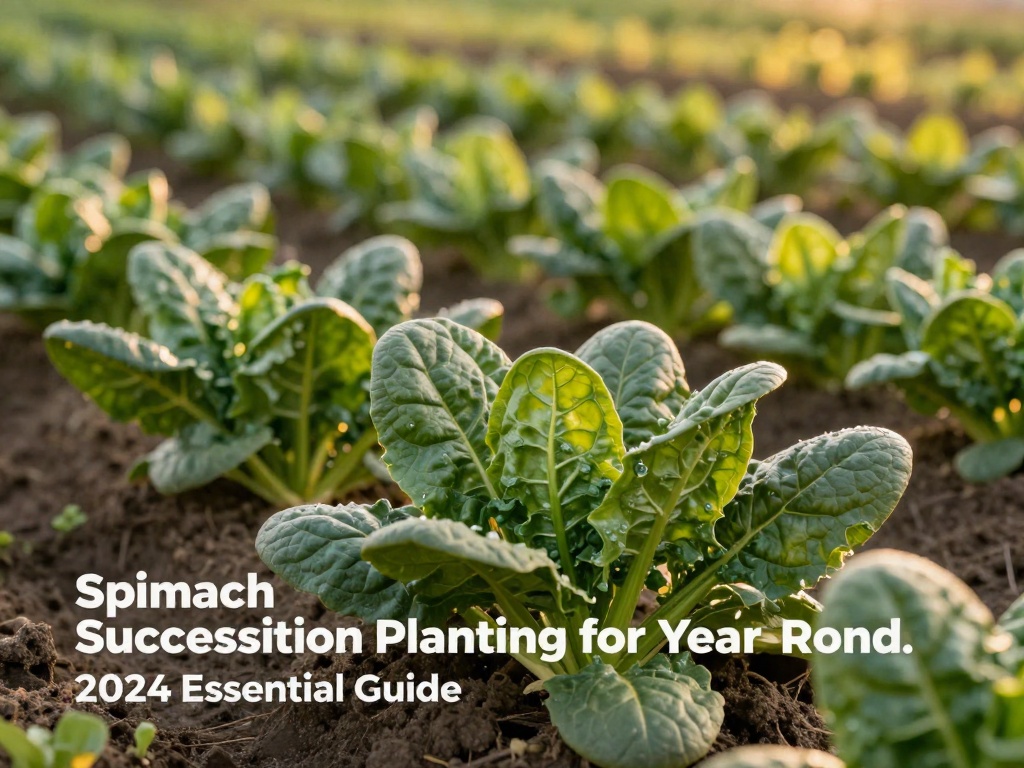
Spinach Succession Planting for Year-Round Harvest: 2024 Essential Guide
If you’ve ever grown spinach only to face weeks of empty garden beds after your first crop bolts, spinach succession planting for year-round harvest is the simple solution you need. This staggered planting strategy ensures you always have young, tender spinach ready to pick, instead of dealing with a single glut of greens followed by months of no harvest. University of Minnesota Extension data shows that succession planting can extend leafy green harvests by up to 8 months in temperate climates, even without a heated greenhouse.
What Is Spinach Succession Planting, Exactly?
Succession planting is the practice of sowing small batches of spinach seeds at regular intervals, rather than planting your entire seed pack at once. Unlike single plantings that mature all at once, staggered sowing creates a continuous supply of harvest-ready leaves. Spinach is ideal for this method because it grows quickly, maturing in just 37 to 45 days after sowing, per USDA agricultural growing guidelines.
Why Spinach Thrives With This Method
Spinach is a cool-season crop that bolts (goes to seed) quickly once temperatures rise above 75°F (24°C). Succession planting lets you replace bolting crops with young seedlings before they stop producing. It also minimizes food waste, as you never have more spinach than you can use fresh or preserve for later use.
Proven Timelines to Stagger Your Spinach Sowing
Spring Planting Schedule for Temperate Zones
For USDA hardiness zones 4 to 7, start your first spinach sowing 4 to 6 weeks before your last frost date. Sow a new 10-foot row of seeds every 10 days until mid-May, when temperatures regularly hit 70°F. This timeline gives you overlapping harvests from late May through early July, before summer heat triggers widespread bolting.
Fall and Winter Planting for Year-Round Supply
To extend harvests through the cold months, resume sowing spinach in mid-August for a fall harvest. Add a layer of row cover or cold frame protection once temperatures drop below 32°F (0°C) to keep greens growing through winter. Oregon State University Extension notes that cold-hardy varieties like 'Tyee' can survive temperatures as low as 20°F, making them perfect for winter succession planting. In mild zones 8 to 10, you can sow spinach every 2 weeks from September through March for non-stop harvests.
Best Practices to Maximize Your Continuous Harvest
Choose Bolt-Resistant Spinach Varieties
Not all spinach varieties work for succession planting. Opt for slow-bolting types like 'Space', 'Tyee', and 'Avon' that delay seeding even in warm spring conditions. These varieties produce tender leaves for 2 to 3 weeks longer than heirloom types, reducing gaps between your staggered plantings.
Practice Interplanting to Save Space
If you have limited garden space, interplant new spinach batches alongside slow-maturing crops like tomatoes or peppers. Young spinach seedlings thrive in the partial shade that maturing summer crops provide, letting you use the same bed for multiple harvests. This method also reduces weed growth and retains soil moisture for healthier plant development.
Add Nutrients Between Plantings
Spinach is a heavy feeder, so amend your soil with 2 inches of compost before sowing each new batch. A side dressing of nitrogen-rich fertilizer every 3 weeks keeps leaves growing lush and dark green, preventing stunted growth in successive plantings. Ohio State University Extension recommends testing soil annually to maintain a pH between 6.0 and 7.0 for optimal spinach growth.
Frequently Asked Questions
How often should I plant spinach for continuous harvest?
Sow new spinach seeds every 7 to 14 days, depending on your local climate. In cool spring and fall weather, a 10-day interval works best to create perfectly overlapping harvests. In warmer summer months, extend intervals to 14 days to account for slower growth in heat-stressed conditions.
Can I succession plant spinach in containers?
Yes, spinach grows well in containers, and succession planting works just as well for potted greens. Use 5-gallon pots with drainage holes, and sow a new batch of seeds in a separate pot every 10 days. Move containers indoors or to a sheltered patio during extreme cold or heat to extend growth and avoid crop loss.
What do I do if my spinach bolts early?
If your first crop bolts earlier than expected, pull up the plants and sow a new batch of heat-tolerant spinach seeds immediately. Add a 2-inch layer of straw mulch to keep soil cool, and use 30% shade cloth to block midday sun, which can slow bolting in young plants. You can also let bolted plants self-seed for volunteer spinach crops the following spring.
No comments