
Cowpea Cover Crop for Southern Gardens: 2024 Pro Guide to Thriving Soil
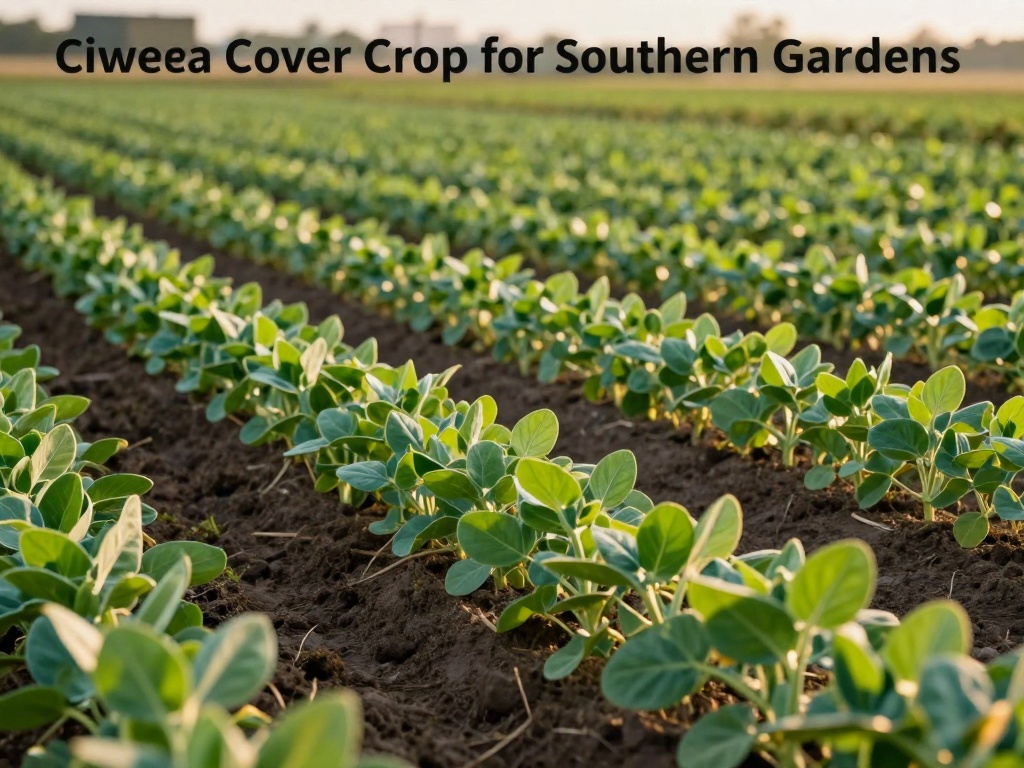
Cowpea Cover Crop for Southern Gardens: 2024 Pro Guide to Thriving Soil
The cowpea cover crop for southern gardens is a game-changing addition for home gardeners and small-scale farmers navigating the region’s hot, humid summers and nutrient-depleted soil. Native to warm climates, cowpeas (Vigna unguiculata) thrive in the South’s long growing seasons, outperforming many cool-weather cover crops that wilt in consistent mid-90°F temperatures. Unlike nitrogen-hungry summer vegetables, cowpeas fix atmospheric nitrogen into the soil, feeding future plantings naturally.
Why Cowpeas Are the Top Cover Crop for Southern U.S. Gardens
Fixes Nitrogen to Cut Fertilizer Costs
University of Georgia Extension data shows that cowpeas can add up to 150 pounds of nitrogen per acre to soil, eliminating the need for synthetic nitrogen feeds for subsequent vegetable crops like tomatoes or peppers. Southern gardens often lose large amounts of nitrogen to heavy summer rainfall, so cowpeas’ deep 3-foot root systems capture and store nutrients that would otherwise leach away. This natural nitrogen boost can cut annual fertilizer costs by up to 30% for small garden plots.
Suppresses Weeds and Harmful Nematodes
Southern gardeners battle persistent weeds like pigweed and root-knot nematodes that thrive in the region’s warm, moist soil. Cowpeas grow quickly, forming a dense leaf canopy that blocks sunlight from reaching weed seeds, reducing weed pressure by up to 80% according to a 2023 study from North Carolina State University. The crop also releases natural root compounds that repel root-knot nematodes, a pervasive pest that destroys vegetable root systems in 70% of unprotected southern home gardens.
How to Plant and Manage Cowpea Cover Crops
Optimal Planting Times for Southern Zones
Cowpeas require soil temperatures of at least 65°F to germinate, making them ideal for planting after the region’s last frost date, which falls between mid-March and late April for most southern USDA zones 7 through 10. For a summer cover crop that you’ll till under before fall vegetable planting, sow cowpeas between May and early June. If you garden in mild southern zones 9 through 10, you can plant a second cowpea crop in early September to grow through the warm fall months as a winter cover.
Simple Seeding and Maintenance Tips
Sow cowpea seeds at a rate of 1 to 2 pounds per 1,000 square feet of garden space, broadcasting them evenly across tilled soil and raking to cover with 1 to 2 inches of soil. Water lightly after planting, and seeds will germinate in 7 to 10 days. Cowpeas require almost no additional irrigation or fertilizer once established, making them a low-maintenance choice for busy gardeners. They even tolerate the poor, sandy soil common in many parts of the Southeast.
Properly Terminate Your Crop to Avoid Invasiveness
To prevent cowpeas from self-seeding and becoming a nuisance, terminate the crop 2 to 3 weeks before you plant your next vegetable crop, or when it starts to flower, before it produces mature seeds. You can mow cowpeas and till the residue into the soil to add organic matter, or use the cut foliage as mulch for existing garden beds. The residue breaks down quickly in the South’s warm temperatures, releasing nutrients for your next crop within 3 to 4 weeks.
Frequently Asked Questions
Can I harvest edible peas from my cowpea cover crop?
Yes! Many popular cowpea varieties work as dual-purpose crops, producing edible peas while still delivering all the soil benefits of a cover crop. Varieties like ‘California Blackeye’ and ‘Iron Clay’ are widely used in southern gardens, and you can harvest peas for consumption 60 to 90 days after planting, then till the remaining plant residue into your soil to boost organic matter.
Do cowpeas attract pests that could harm my vegetable garden?
Cowpeas rarely attract harmful pests that spread to common southern vegetable crops like tomatoes, peppers, or squash. In fact, they draw beneficial pollinators like native bees and predatory insects that control common garden pests like aphids. The only common pest of cowpeas is the cowpea curculio, which feeds exclusively on pea pods and does not attack other popular garden vegetables.
Can I plant cowpeas with other cover crops in my southern garden?
Yes, cowpeas pair exceptionally well with warm-season grasses like sorghum-sudangrass to create a mixed cover crop that maximizes soil health benefits. The cowpeas fix nitrogen to feed the grass, while the grass’s deep fibrous root system prevents soil erosion during heavy southern summer thunderstorms. Mixed cover crops also offer 20% better weed suppression than single-species plantings, per North Carolina State University extension research.
No comments