
2024 Backyard Orchard Bird Netting Guide: 7 Proven Tips to Save Your Crops
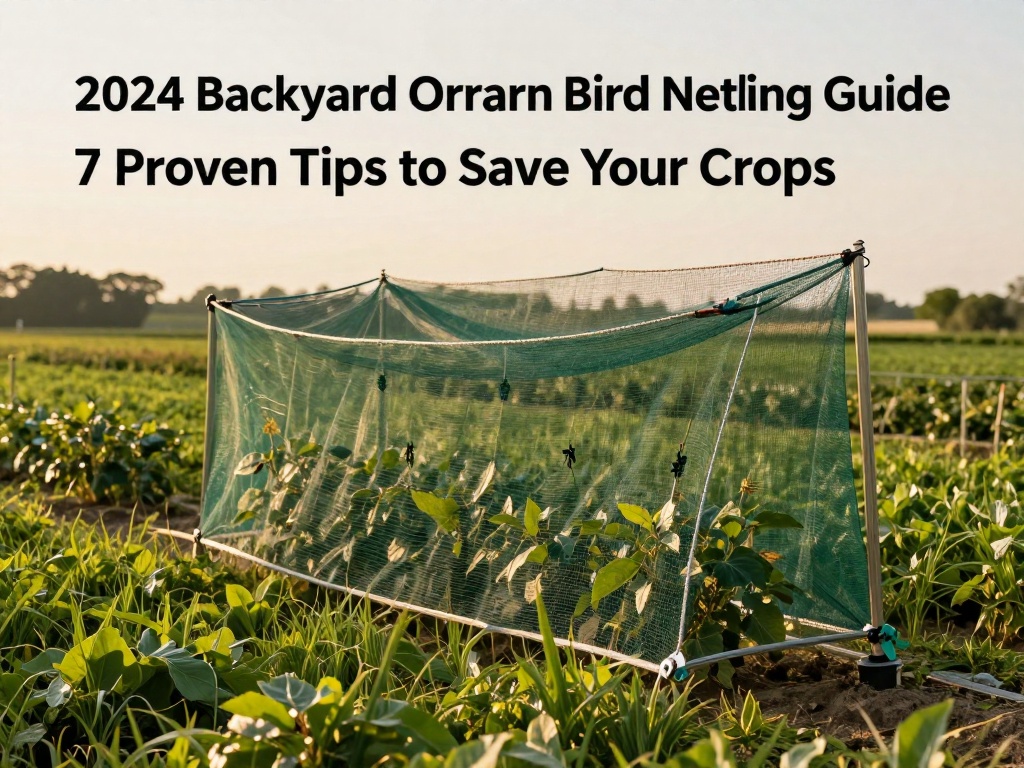
2024 Backyard Orchard Bird Netting Guide: 7 Proven Tips to Save Your Crops
If you grow fruit in your small home orchard, you know how devastating bird damage can be—studies from the University of California Extension show that unprotected backyard fruit trees can lose up to 80% of their harvest to starlings, cedar waxwings, and other common species. Our backyard orchard bird netting guide walks you through every step of choosing, installing, and maintaining netting to lock in your yields without harming local wildlife. Unlike ineffective scare tactics that wear off after a few days, properly installed netting creates a long-term barrier that works all season long.
Why Bird Netting Beats Other Common Bird Deterrents
Many backyard orchard owners test a range of deterrents before landing on netting, from fake owls to reflective tape to ultrasonic devices. The University of Kentucky’s Cooperative Extension conducted a 2023 study that found netting reduced bird damage by 92% in backyard orchards, compared to just 25% for reflective tape and 18% for fake predators. Netting is also safe for all bird species, as long as it’s installed correctly to avoid entanglement.
7 Proven Tips from Our Backyard Orchard Bird Netting Guide
1. Choose the Right Mesh Size for Your Local Birds
Most backyard fruit growers only need ¾-inch mesh netting to block all common pest birds, including small species like house finches. Larger 1-inch mesh works for bigger birds but can let smaller species squeeze through, while mesh smaller than ½-inch is unnecessary and increases the risk of bird entanglement. Always check local extension resources to confirm the most common pest bird species in your region.
2. Select UV-Stabilized Netting for Long-Term Use
Cheap, non-UV-stabilized netting will degrade in 1-2 seasons of sun exposure, forcing you to repurchase every year. UV-stabilized netting, while slightly more expensive upfront, lasts 5-10 years with proper storage, making it a far more cost-effective investment for your orchard. Look for netting labeled for agricultural use to ensure it meets durability standards.
3. Install Netting Before Fruit Begins to Ripen
Timing is everything when it comes to netting your orchard. Install your netting 2-3 weeks before your first fruit is set to ripen, which blocks birds before they discover your orchard as a reliable food source. Waiting until you see birds pecking at fruit means you’ll already have lost a portion of your harvest before the barrier is up.
4. Drape Netting Securely to Avoid Entanglement
The biggest risk of netting is harming birds or other wildlife through improper installation. Never leave loose netting draped on the ground or hanging low, as birds and small mammals can get tangled. Secure the netting tightly around the base of each tree or pull it tight across a frame built around your orchard to eliminate gaps and loose fabric.
5. Avoid Netting That Touches Fruit Directly
If netting rests directly on your fruit, birds can still reach through the mesh to peck at apples, peaches, or berries. Build a simple frame around your trees or use support stakes to lift netting 6-12 inches away from the outermost branches and fruit. This small gap eliminates bird access while keeping your netting safe from tears caused by sharp branches.
6. Inspect Netting Weekly for Tears or Gaps
Storms, wildlife, and even yard maintenance tools can create small holes in your netting over the growing season. Check your netting once a week to patch any small tears with agricultural repair tape, and seal any gaps that form around the base of your trees. A 1-inch hole is large enough for a flock of small birds to exploit, so regular inspections are non-negotiable.
7. Store Netting Properly At The End Of The Season
Once you’ve harvested all your fruit, remove your netting, brush off any debris, and fold it tightly to store in a cool, dry place. Avoid leaving netting up year-round, as it can trap moisture against tree bark, leading to rot, and can become a hazard for hibernating or nesting wildlife. Proper storage extends the life of your UV-stabilized netting by 2-3 years.
Frequently Asked Questions
Is bird netting safe for wild birds?
When installed correctly, bird netting is completely safe for wild birds. Using the proper mesh size, securing loose fabric, and inspecting for gaps eliminates the risk of entanglement. Avoid thin, cheap netting that can easily trap birds, and always remove netting once harvest season ends to prevent long-term wildlife risks.
Can I reuse bird netting for multiple seasons?
Yes, high-quality UV-stabilized agricultural netting can be reused for 5-10 years with proper care. After each harvest, clean off any dirt or sap, fold it to avoid permanent creases, and store it in a dry, rodent-proof storage bin. Inspect it for tears before reinstalling it the following spring.
What size netting do I need for a mature backyard apple tree?
For most standard 10-15 foot tall backyard apple trees, a 50x50 foot roll of ¾-inch mesh UV-stabilized netting is sufficient to cover the entire canopy and secure the base. If you have multiple small trees, you can purchase a larger roll to cover all trees in a single orchard frame, which simplifies installation and maintenance.
No comments