
Ryegrass Overseeding for Worn Horse Pastures: 2024 Guide to Revitalize Grazing Land
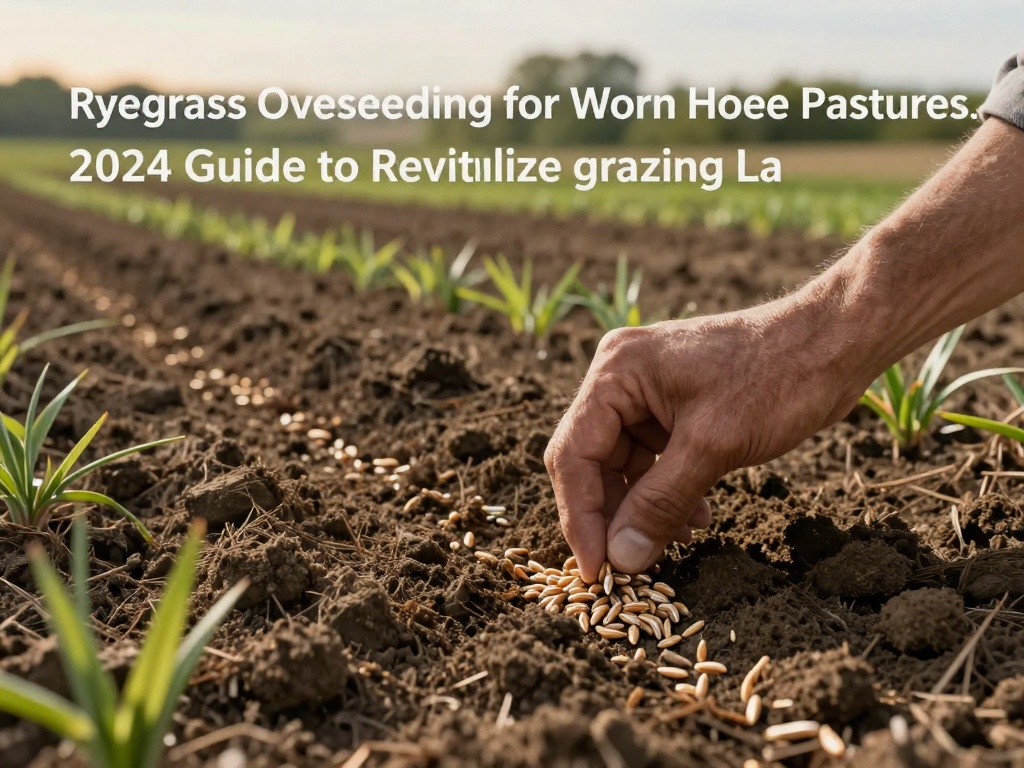
Ryegrass Overseeding for Worn Horse Pastures: 2024 Guide to Revitalize Grazing Land
Worn horse pastures suffer from heavy hoof traffic, overgrazing, and soil compaction that leave bare spots, reduce nutrient availability, and raise risks of weeds and parasitic worms. Ryegrass overseeding for worn horse pastures is a low-cost, high-impact solution to restore lush, safe grazing for your herd. Unlike full pasture tillage, overseeding disturbs existing soil minimally, letting you get grazing back online in as little as 6 weeks, per University of Kentucky Extension equine agronomy data.
Why Ryegrass Is the Ideal Choice for Overseeding Horse Pastures
Fast Establishment for Quick Grazing Recovery
Both annual and perennial ryegrass varieties germinate in 7-10 days, far faster than most cool-season pasture grasses like tall fescue, which can take 2-3 weeks to sprout. This rapid growth covers bare spots before invasive weeds like thistle and crabgrass can take root, reducing the need for costly herbicide applications.
Annual ryegrass works perfectly for temporary winter overseeding in warm-season pastures, while perennial ryegrass returns year after year for long-term pasture health and resilience against future wear.
Nutrient-Dense Forage for Equine Health
Ryegrass has a crude protein content of 10-18%, depending on its growth stage, which supports muscle development and steady energy levels in horses, per USDA forage quality datasets. It is also highly palatable, so horses will graze it evenly rather than avoiding less tasty plants, which prevents patchy overgrazing long-term.
Modern ryegrass varieties bred specifically for equine use have moderate non-structural carbohydrate (NSC) levels, making them safe for most horses with metabolic sensitivities when managed properly.
Step-by-Step Process to Overseed Your Worn Horse Pasture
1. Prep the Pasture Before Seeding
First, remove horses from the pasture for 2-3 weeks to let existing vegetation regrow slightly, then mow the entire area to 3 inches and remove all clippings. For heavily compacted areas near water troughs or fence lines, use a light core aerator to poke 2-3 inch deep holes in the soil. This helps ryegrass seeds make direct contact with soil instead of sitting on nutrient-poor thatch.
Test your soil’s pH levels, and add agricultural lime if needed to hit the ideal 6.0-7.0 range for ryegrass growth, per Penn State Extension recommendations for equine pastures.
2. Seed and Fertilize for Maximum Germination
Use a broadcast spreader to apply 25-30 pounds of perennial ryegrass seed per acre, or 30-40 pounds of annual ryegrass seed for temporary winter grazing. For bare, high-traffic areas, double the seeding rate to compensate for ongoing wear and lower germination odds in compacted soil.
Apply a balanced 10-10-10 nitrogen-phosphorus-potassium fertilizer at a rate of 200 pounds per acre to support early root development and strong above-ground growth.
3. Post-Seeding Care to Establish Long-Lasting Growth
Water the seeded area lightly every 1-2 days for the first 3 weeks to keep soil consistently moist, but avoid overwatering that causes runoff and seed displacement. Keep horses off the pasture until ryegrass reaches 8-10 inches in height, which usually takes 5-6 weeks post-seeding.
When you reintroduce horses, implement a rotational grazing schedule to prevent overgrazing the new ryegrass, moving the herd to a new paddock once grass is grazed down to 4 inches to support regrowth.
Frequently Asked Questions
When is the best time to overseed ryegrass in horse pastures?
The ideal seeding window is late summer to early fall: August to mid-September for most northern U.S. regions, and September to October for southern regions. This timing lets ryegrass establish before the first frost, reduces competition from warm-season weeds, and ensures lush grazing by late fall.
Can I overseed ryegrass without aerating my compacted pasture?
While it is possible to overseed without aeration, Ohio State University research found aeration boosts ryegrass germination rates by up to 60%, as seeds require direct soil contact to sprout. If you cannot rent an aerator, use a drag harrow to lightly scuff the soil’s surface after spreading seed to improve contact.
Is ryegrass safe for all horses, including those with metabolic conditions?
Modern forage-specific ryegrass varieties bred for equine pastures have moderate NSC levels that are safe for most horses with metabolic conditions. Always test your forage’s NSC levels before turning out insulin-resistant horses, and avoid overfertilizing with nitrogen, which can raise sugar levels in ryegrass.
No comments