
Straw Mulch for Raspberry Weed Suppression: 2024 Proven Grower’s Guide
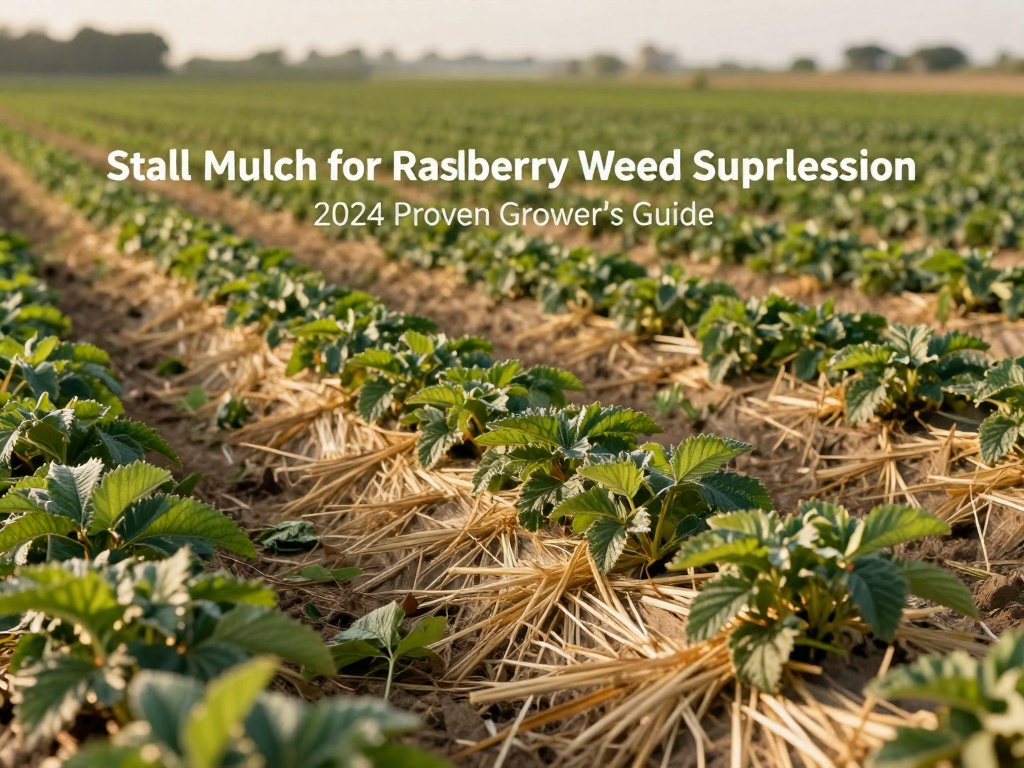
Straw Mulch for Raspberry Weed Suppression: 2024 Proven Grower’s Guide
Weed overgrowth is one of the top threats to commercial and home raspberry patches, reducing yields by up to 45% according to the University of Minnesota Extension. Straw mulch for raspberry weed suppression is a low-cost, organic solution that addresses this risk while delivering additional growing benefits. Unlike synthetic herbicides, this method poses no risk to pollinators or soil health, making it ideal for sustainable growing operations.
Why Straw Mulch Outperforms Other Weed Control Methods for Raspberries
Blocks Sunlight to Stop Weed Germination
Most common raspberry patch weeds, including chickweed, pigweed, and thistle, require direct sunlight to sprout. A 2-3 inch layer of straw mulch blocks 90% of incoming sunlight, per Penn State Extension, stopping weed seeds from taking root before they can compete with raspberry plants for nutrients. This natural barrier eliminates the repeated applications needed for herbicides or frequent manual weeding.
Preserves Soil Moisture and Root Health
Raspberries have shallow, fibrous root systems that dry out quickly in exposed soil. Straw mulch locks in soil moisture, reducing irrigation needs by 30% according to Oregon State University’s small fruit agriculture program. Healthy, hydrated roots produce larger, sweeter berries and are more resistant to common fungal diseases that thrive in fluctuating soil conditions.
Improves Long-Term Soil Health
Unlike plastic mulch, which creates non-biodegradable waste that requires annual disposal, straw breaks down over 12-18 months. As it decomposes, it adds organic matter to the soil, improving drainage and feeding beneficial soil microbes. This long-term soil health boost reduces the need for annual synthetic soil amendments for most small to mid-sized raspberry patches.
Step-by-Step Guide to Applying Straw Mulch for Weed Control
Prep Your Patch Before Laying Mulch
Before spreading straw, remove any existing large weeds from your patch by hand or with a shallow hoe. Avoid deep tilling, which can damage raspberry roots and bring buried weed seeds to the surface. Add a 1-inch layer of compost first to give your plants an early nutrient boost before mulching.
Apply the Correct Layer Thickness
Spread straw evenly across the soil surrounding your raspberry plants, leaving a 2-inch gap around the base of each cane to prevent rot. The ideal layer thickness is 2-3 inches, per University of Illinois Extension. Too thin, and weeds will push through; too thick, and you risk trapping excess moisture that causes root or cane rot.
Refresh Mulch Annually to Maintain Results
Each spring, before new raspberry growth emerges, add a 1-inch top-up of fresh straw to replace decomposed material. This maintains the light-blocking barrier needed to stop new weed seeds from germinating throughout the growing season. Never use hay for mulch, as it often contains invasive weed seeds that can contaminate your patch for years.
Frequently Asked Questions
Is straw mulch safe for organic raspberry production?
Yes, straw mulch is fully compatible with all national organic growing standards when sourced from untreated crop residues. It contains no synthetic chemicals, making it safe for pollinators, children, and pets that interact with your garden or farm.
Can I use straw mulch for potted raspberry weed suppression?
Absolutely, the same 2-3 inch layer of straw works for container-grown raspberries. Ensure your pot has proper drainage holes to avoid excess moisture buildup, and refresh the mulch every 6 months for potted plants to maintain consistent weed control.
Does straw mulch attract rodents to my raspberry patch?
When applied correctly, straw mulch rarely attracts problematic pests. To reduce the risk of rodents nesting in thick mulch, avoid piling straw higher than 3 inches and keep your patch free of fallen overripe fruit that can attract unwanted wildlife. Many beneficial insects, like aphid-eating ladybugs, even use straw mulch as a protective habitat.
No comments