
Apple Tree Pruning for Backyard Orchards: 2024 Guide to Bigger, Healthier Harvests
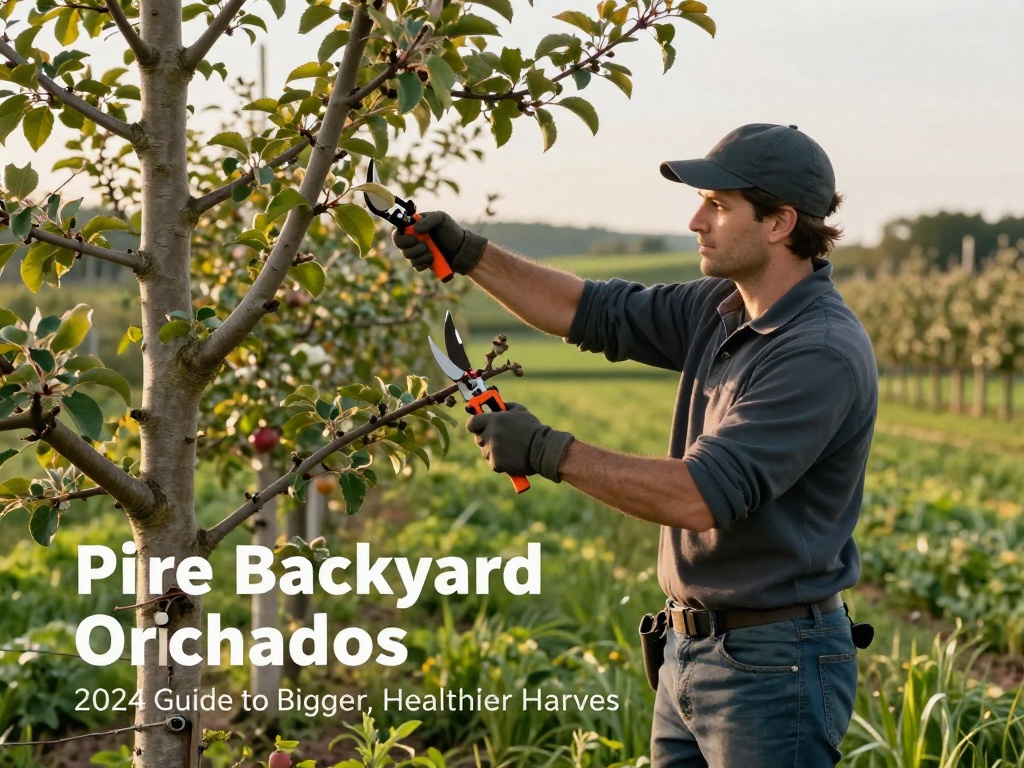
Apple Tree Pruning for Backyard Orchards: 2024 Guide to Bigger, Healthier Harvests
Apple tree pruning for backyard orchards is one of the most impactful tasks you can complete to set your small orchard up for success each growing season. Unlike large commercial orchards that rely on heavy machinery, backyard growers can use low-effort, targeted pruning strategies tailored to small tree loads. The University of Minnesota Extension reports that properly pruned apple trees produce 30% more high-quality fruit than unpruned trees, while cutting disease risk by 40%.
Why Prune Your Backyard Apple Tree?
Boost Fruit Quality and Yield
When you prune away excess branches, your tree redirects its energy to producing larger, sweeter apples instead of sustaining unnecessary growth. Backyard growers often make the mistake of leaving too many fruiting spurs, which leads to small, sour fruit that drops early each season.
Prevent Common Tree Diseases
Dense, overlapping branches trap moisture, creating the perfect environment for common apple tree threats like apple scab, powdery mildew, and fire blight. Pruning opens up the tree’s canopy to let sunlight and air penetrate, reducing moisture buildup that fuels fungal and bacterial growth.
Improve Light and Air Circulation
Unpruned apple trees develop thick canopies that block sunlight from reaching lower fruiting branches, leading to sparse fruit production on lower limbs. Proper air flow also reduces stress on the tree during hot summer months, preventing leaf drop and premature fruit drop.
When to Prune Apple Trees for Backyard Orchards
Dormant Season Pruning (Late Winter to Early Spring)
The primary pruning window for most temperate climates is late winter, before your apple tree breaks dormancy, usually between February and March. Pruning during dormancy minimizes stress on the tree, and you can easily see the tree’s full branch structure without leaves blocking your view. The Old Farmer’s Almanac recommends avoiding pruning when temperatures drop below 20°F (-7°C), as this can damage exposed fresh cuts.
Summer Pruning for Fine-Tuning
Summer pruning, done in mid-July to early August, is used to control overly vigorous growth that shades lower fruiting branches. This secondary prune is light: only remove small, upright water sprouts and suckers that drain energy from the tree’s main fruiting branches. Avoid heavy summer pruning, as it can weaken the tree leading into winter.
Beginner’s Step-by-Step Pruning Process
Gather the Right Tools First
Start with sharp, clean tools to avoid tearing branches or spreading disease between plants. Essential tools include bypass hand pruners for small branches under 1 inch, loppers for branches up to 3 inches, and a pruning saw for larger limbs. Always disinfect your tools between trees with a 10% bleach solution to kill any lingering pathogens.
Follow the 4 Ds Rule
The 4 Ds rule is a simple framework to remove the lowest-priority branches first: cut any branches that are dead, damaged, diseased, or deranged (growing inward, crossing, or rubbing other branches). Removing these branches first clears up 50-70% of the excess growth before you start shaping the rest of the tree.
Shape Your Tree for Long-Term Health
Most backyard apple trees are trained to a central leader shape, which features one main central trunk with lateral branches spaced 6-12 inches apart around the trunk. This shape maximizes light exposure and supports the weight of heavy fruit loads. Aim to keep your tree’s height under 12 feet, making harvesting and ongoing maintenance easy for small-scale backyard growers.
Frequently Asked Questions
Can I prune my apple tree in the fall?
Fall pruning is not recommended for apple trees, as it stimulates new growth that is easily damaged by winter frost. Pruning in fall also exposes fresh cuts to fungal spores that are widespread in cool, wet autumn conditions, increasing disease risk for your tree.
How often should I prune my backyard apple tree?
You should complete a full dormant season prune once per year, with an optional light summer prune if you notice excessive unruly growth. Annual pruning prevents the tree from becoming overgrown, which would require harsh, stressful corrective pruning years down the line.
Do I need to seal pruning cuts on my apple tree to protect it?
Most leading extension services, including the USDA, no longer recommend sealing pruning cuts for apple trees. Healthy trees seal their own cuts naturally within a few weeks, and sealing products can trap moisture that leads to rot and disease in the branch tissue.
No comments