
Apple Tree Dormant Pruning for Beginners: 7 Essential 2024 Pro Tips
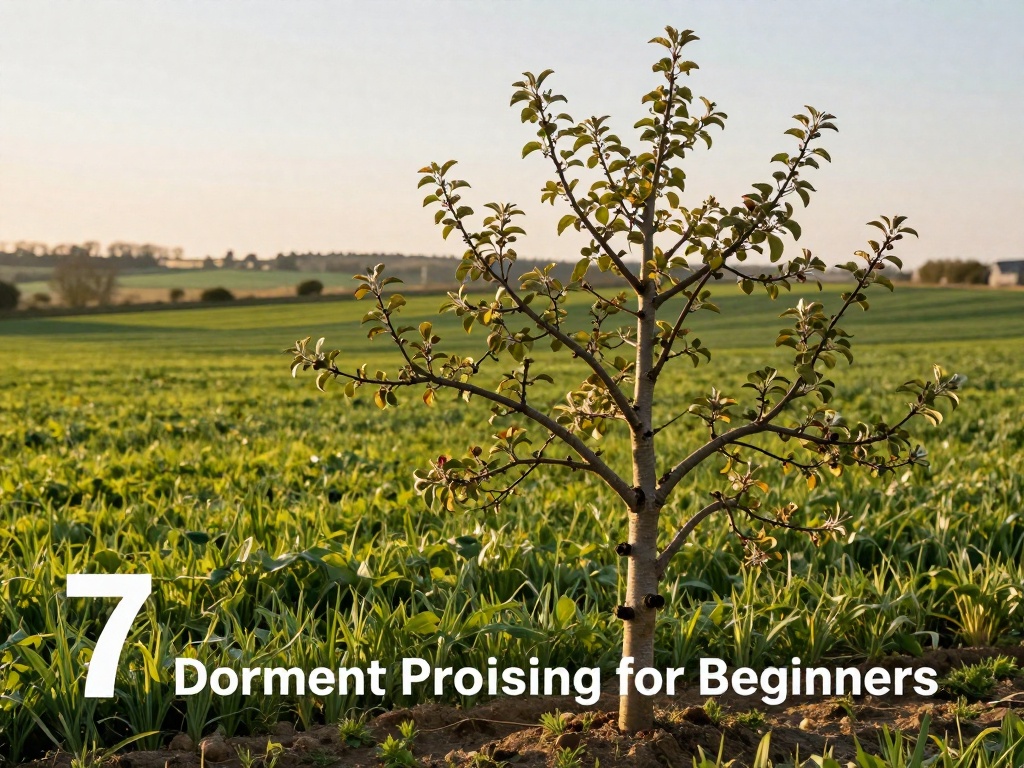
Apple Tree Dormant Pruning for Beginners: 7 Essential 2024 Pro Tips
If you’re new to growing backyard apple trees, apple tree dormant pruning for beginners is the most impactful annual task to boost your harvest and support long-term tree health. Dormant pruning happens in late winter, before buds break, when the tree’s structure is fully visible and stress on the plant is minimized. The USDA recommends dormant pruning for most temperate fruit trees to reduce disease pressure and improve light penetration across the canopy.
Why Dormant Pruning Works for New Apple Growers
It Reduces Disease and Pest Risk
Pruning when trees are dormant cuts off overwintering pest eggs and fungal spores that linger on dead, damaged, or crowded branches. Unlike summer pruning, dormant cuts heal quickly once spring growth begins, lowering the risk of new infections taking root in your tree.
It Boosts Fruit Size and Yield
Overcrowded apple trees produce small, misshapen fruit because branches compete for sunlight and nutrients. Dormant pruning opens up the tree’s canopy, so every remaining branch gets enough light to develop large, sweet apples. A 2023 study from Penn State Extension found that properly pruned apple trees produce 30% higher marketable yields than unpruned trees.
7 Step-by-Step Dormant Pruning Tips for Beginners
1. Gather the Right Tools First
You only need three core tools to start: sharp bypass pruners for small branches, a lopper for limbs up to 3 inches thick, and a hand saw for larger branches. Disinfect all tools with a 10% bleach solution between trees to avoid spreading disease, a critical step many new growers miss.
2. Prune Only on a Dry, Mild Day
Avoid pruning when temperatures are below freezing, as fresh cuts can suffer from permanent winter damage. Dry conditions also prevent fungal spores from entering open wounds, keeping your tree healthy through the end of dormancy.
3. Remove Dead, Damaged, or Diseased Branches First
Start with the easiest, non-negotiable cuts: snip any branches that are black, brittle, or oozing abnormal sap. These branches serve no purpose and put the rest of the tree at risk of infection, so removing them first clears your view of the tree’s healthy structure.
4. Cut Out Suckers and Water Sprouts
Suckers are thin shoots that grow from the tree’s root base, while water sprouts grow straight up from mature branches. Both steal nutrients from fruiting wood and should be removed entirely to redirect energy to apple production.
5. Build an Open-Center Canopy Structure
For most backyard apple trees, an open-center (or vase-shaped) canopy is ideal for beginners. This structure leaves 3-4 main scaffold branches spaced evenly around the trunk, creating a hollow center that lets sunlight and air circulate freely.
6. Space Remaining Branches 6-12 Inches Apart
Avoid leaving crowded branches that rub against each other or block light. Penn State Extension recommends spacing lateral branches at least 6 inches apart to prevent crowding and ensure every fruiting branch gets enough resources to thrive.
7. Make Clean, Angled Cuts to Avoid Rot
Never leave a stub that can trap water and cause rot. Cut ¼ inch above an outward-facing bud at a 45-degree angle, to direct new growth away from the tree’s center and promote fast, natural healing of your pruning wounds.
Frequently Asked Questions About Apple Tree Dormant Pruning
When is the best time to prune dormant apple trees?
The ideal window is late winter, between February and early March in most USDA hardiness zones 4-8, after the worst of the cold has passed but before buds begin to swell. This timing minimizes tree stress and reduces disease risk from open wounds.
Can I over-prune my apple tree as a beginner?
Yes, you should never remove more than 25% of the tree’s total canopy in one dormant season. Removing more than that can trigger excessive, weak water sprout growth that reduces future yields. Stick to small, intentional cuts to avoid over-pruning.
Do I need to seal pruning cuts to protect my tree?
Most modern extension services, including the University of Minnesota Extension, advise against using pruning sealant for most dormant cuts. Healthy apple trees seal their own wounds naturally, and sealant can trap moisture that leads to rot. Only seal cuts over 4 inches wide if you live in an area with high annual fungal pressure.
No comments