
2024 Essential Horse Pasture Soil Testing Guide for Safe, Nutritious Grazing
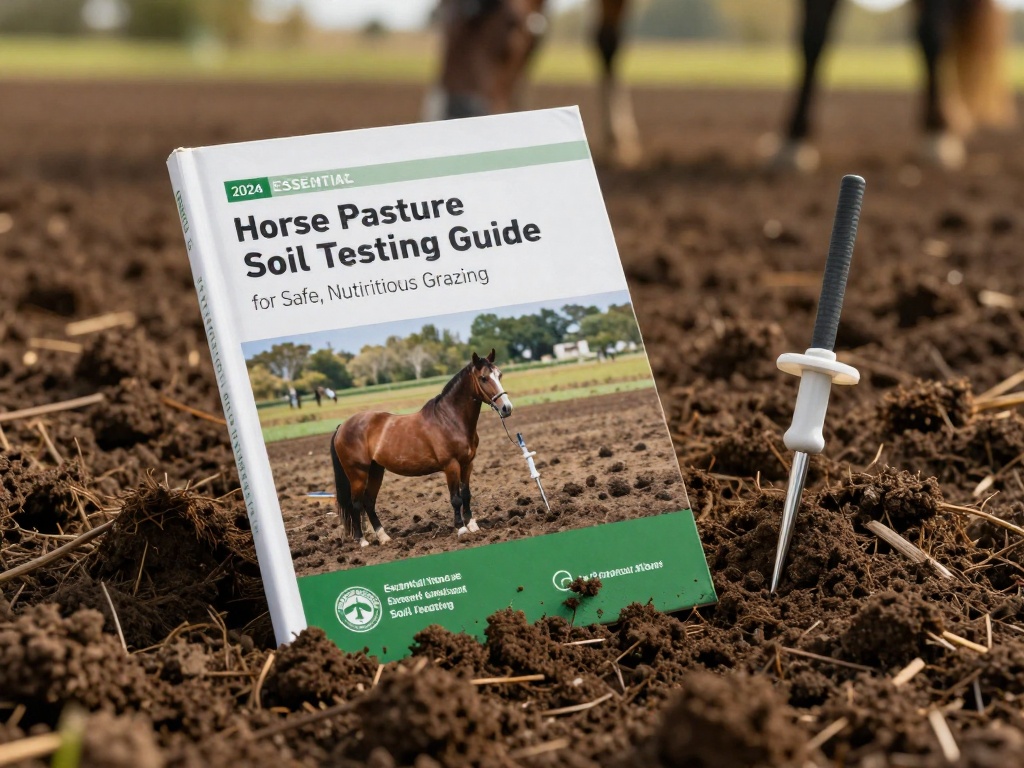
2024 Essential Horse Pasture Soil Testing Guide for Safe, Nutritious Grazing
If you manage a horse farm, our comprehensive horse pasture soil testing guide is your first step to building safe, productive grazing land that supports your herd’s long-term health. Many horse owners overlook soil health, assuming their pastures look green enough to feed their animals, but hidden nutrient imbalances can lead to poor forage quality, toxic weed overgrowth, and even equine health issues. Soil testing takes the guesswork out of pasture maintenance, giving you data to adjust inputs and keep your land productive year after year.
Why Soil Testing Is Non-Negotiable for Horse Pastures
Prevent Nutrient Deficiencies in Forage
Horses rely on pasture forage for 50-90% of their daily intake, according to the University of Kentucky’s Equine Extension program. Imbalanced soil pH or low levels of key nutrients like nitrogen, phosphorus, and potassium lead to weak forage that lacks the vitamins and minerals horses need to thrive. A soil test identifies these gaps before they impact your herd’s health.
Avoid Toxic Plant Overgrowth
Weeds like ragweed, thistle, and toxic horsetail thrive in nutrient-poor soil, outcompeting nutritious grasses like timothy and bluegrass that horses prefer. Soil testing gives you the data to amend soil to support desired grass species, crowding out harmful weeds naturally. This reduces the need for harsh herbicides that can put your horses at risk.
Cut Unnecessary Input Costs
Many horse owners apply generic fertilizer blends to their pastures each year, wasting hundreds of dollars on nutrients their soil already has in excess. Overapplication of phosphorus, for example, is a common issue that can lead to water pollution and wasted resources. A $50-$100 soil test pays for itself in the first year by helping you purchase only the amendments your land actually needs.
Step-by-Step Process to Test Your Horse Pasture Soil
Choose the Right Testing Service
Start by selecting a reputable soil testing service, ideally your local state university’s extension service, which specializes in regional agricultural pasture needs. Extension soil tests cost less than most commercial kits and provide pasture-specific recommendations, rather than generic lawn or garden advice. Avoid over-the-counter home test kits that lack the precision to measure all key nutrients for grazing land.
Collect Representative Soil Samples
Pastures are rarely uniform, so split large fields into separate testing zones based on slope, previous use, or visible differences in vegetation. For each zone, use a soil probe or clean trowel to collect 10-15 core samples, each 4-6 inches deep, to capture a representative mix of soil. Remove debris like roots or rocks, combine samples in a clean bucket, and send 1-2 cups of the mixed soil to your lab for testing.
Interpret Your Test Results
Your test report will list current soil pH, nutrient levels, and specific amendment recommendations to bring your soil into the optimal range for horse pasture grasses, which is a pH of 6.0-7.0 for most temperate regions. The report will also flag high-risk excess nutrients, like excess nitrogen that creates lush, high-sugar forage dangerous for horses with insulin resistance. Use this data to plan your amendment schedule for the growing season.
How Often Should You Test Your Pasture Soil?
Most equine extension experts recommend testing horse pasture soil every 2-3 years for well-managed grazing land. If you recently purchased a new property, experienced a major weather event like flooding or drought, or noticed a sudden decline in forage quality, test your soil immediately to identify underlying issues. Regular testing tracks changes in soil health over time, letting you adjust your management plan to keep your pastures productive for decades.
Frequently Asked Questions About Horse Pasture Soil Testing
How much does a horse pasture soil test cost?
Most university extension soil tests cost between $40 and $100 per sample, depending on the scope of nutrient testing. Commercial specialized equine soil tests may cost slightly more, but extension services offer the most cost-effective, region-specific recommendations for most horse owners.
Can I test my pasture soil with an at-home kit?
While over-the-counter home soil test kits exist, they lack the precision of professional lab tests to measure all key nutrients and pH levels accurately. Professional lab testing is the only reliable way to get tailored recommendations that protect your horse’s health and your pasture’s productivity.
What is the best time of year to test horse pasture soil?
Fall is the ideal time to test pasture soil, as it gives you time to apply slow-acting amendments like lime to adjust soil pH before the winter dormant season. Spring testing also works, but you’ll need to apply amendments early enough to let them integrate into the soil before grazing begins for the year.
No comments