
Rotational Grazing Schedule for Backyard Sheep: 2024 Step-by-Step Guide
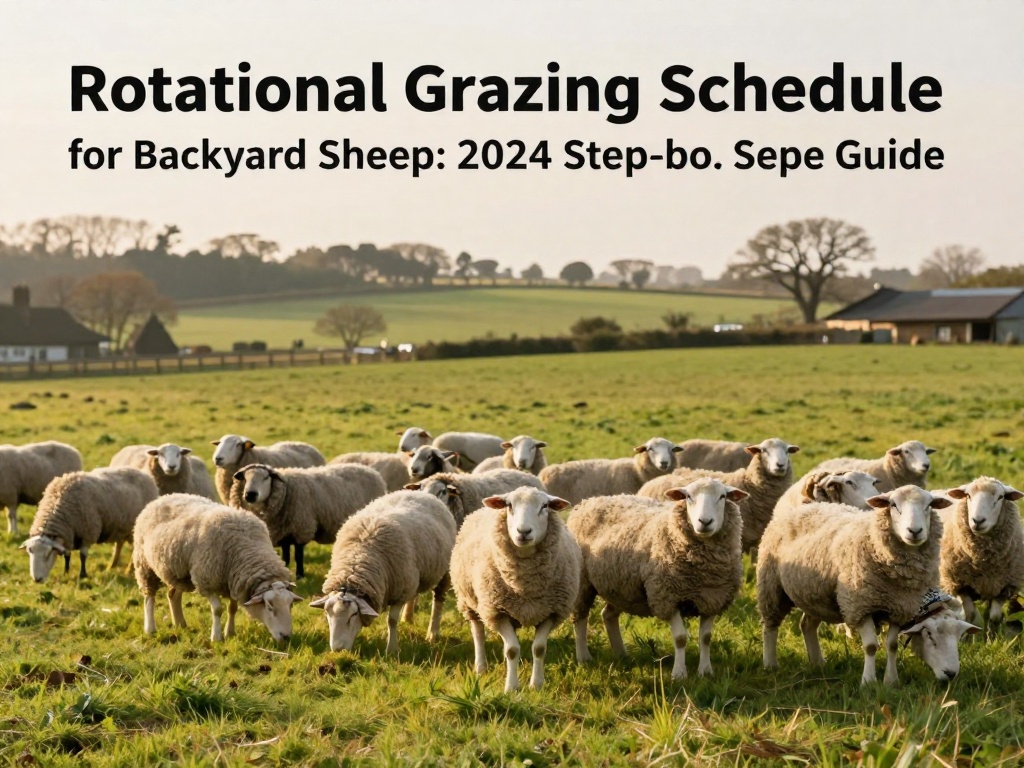
Rotational Grazing Schedule for Backyard Sheep: 2024 Step-by-Step Guide
If you raise backyard sheep, a well-designed rotational grazing schedule for backyard sheep is the most impactful way to support your flock’s health and your pasture’s long-term productivity. Unlike continuous grazing, which leaves pastures overgrazed and nutrient-depleted, rotational grazing moves your flock through small, subdivided pasture sections (called paddocks) to let unused areas regrow. Data from the University of Maryland Extension shows that properly executed rotational grazing can increase pasture forage yield by 30% or more, cutting annual feed costs for small flock owners by up to 25%.
Why Rotational Grazing Works for Backyard Sheep Flocks
Reduced Parasite Load
Gastrointestinal parasites are one of the biggest health risks for backyard sheep, and continuous grazing lets larvae build up in pastures, leading to repeated infections. Rotational grazing moves sheep off a paddock before parasite larvae can mature, cutting infection rates by 70% according to the American Sheep Industry Association (ASI). This reduces your need for chemical dewormers and supports long-term flock health.
Improved Forage Quality and Quantity
Rotational grazing lets pasture plants regrow to their optimal nutrient-dense stage before being grazed again. This means your flock has consistent access to high-protein grass and clover, reducing the need for supplemental hay and grain during grazing season. Over time, your pasture will also grow thicker, crowding out weeds that are toxic or unnutritious for sheep.
Lower Soil Erosion Risk
Overgrazed pastures leave bare soil exposed to rain and wind, leading to erosion that degrades your backyard land long-term. Rotational grazing maintains 3-4 inches of residual plant growth on all paddocks, holding soil in place and adding organic matter as plants shed roots and leaves. This improves your soil’s health for future gardening or grazing use.
Step-by-Step to Build Your Rotational Grazing Schedule
Calculate Your Pasture and Flock Forage Needs
First, add up the total dry matter your flock consumes daily. An average 150-pound ewe eats about 3% of her body weight in dry matter daily, or 4.5 pounds of forage per ewe. The University of Minnesota Extension estimates that a healthy pasture produces 250-500 pounds of dry matter per acre per month during growing season. For a small backyard flock of 5 ewes, that means you need roughly 0.5 acres of total pasture to support rotational grazing.
Subdivide Your Pasture Into 4-6 Paddocks
Backyard sheep owners only need simple, affordable fencing (like portable electric net fencing) to split their pasture into 4 to 6 equal paddocks. This number of paddocks is ideal for small spaces, as it gives each section 21-30 days to regrow between grazings, which is the optimal rest period for cool-season grasses common in most residential backyards. Portable fencing also lets you rearrange paddocks if you need to use part of your yard for other purposes.
Set Your Seasonal Grazing Timeline
The core of your rotational grazing schedule for backyard sheep is the consistent move date. For most small flocks in spring and early summer, when forage grows rapidly, you’ll move your sheep to a new paddock every 3-4 days to avoid wasting excess grass. In late summer, when growth slows due to heat or drought, extend the period to 6-7 days to ensure you don’t run out of forage early. Always leave 3-4 inches of residual grass in a paddock when you move your flock to support healthy regrowth.
Adjust for Dormant Winter Months
Rotational grazing doesn’t work as well during cold winter months, when pasture growth stops in most climates. For northern regions, transition your flock to hay and supplemental feed by late fall. If you planted winter annuals like cereal rye to extend your grazing season, you can use a simplified rotational schedule through early winter, moving your flock every 7-10 days to avoid overgrazing the slow-growing annuals.
Frequently Asked Questions
How much land do I need for 2 backyard sheep to use rotational grazing?
You only need 0.1 to 0.2 acres of total pasture for 2 adult sheep to implement a successful rotational grazing schedule. This small area split into 4 paddocks provides enough forage to support your flock through the full spring, summer, and early fall growing season.
Can I use rotational grazing for other backyard livestock alongside sheep?
Yes, sheep can graze rotationally with cattle or goats, as they eat different forages that reduce overgrazing and shared parasite risk. Just adjust your schedule to account for the combined forage needs of your mixed flock, adding 1-2 extra paddocks to support longer rest periods.
How often do I need to test my pasture soil to support rotational grazing?
The USDA recommends testing your pasture soil every 3-5 years to check nutrient and pH levels. This helps you add any needed amendments like lime or compost to keep your pasture growing strong, so your rotational grazing system delivers consistent forage yields year after year.
No comments