
Vermicompost Application for Greenhouse Pepper Crops: 2024 Proven Yield Guide
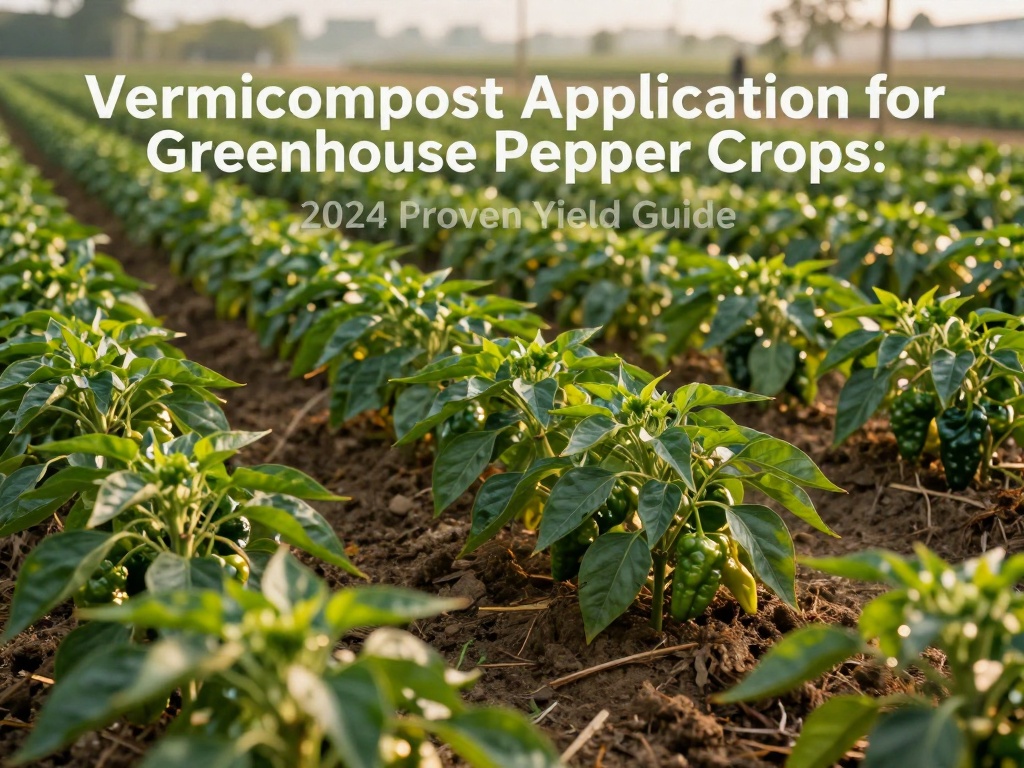
Vermicompost Application for Greenhouse Pepper Crops: 2024 Proven Yield Guide
Vermicompost application for greenhouse pepper crops is transforming small and commercial greenhouse operations by delivering a nutrient-dense, organic soil amendment that outperforms many synthetic fertilizers for sensitive solanaceous crops. Greenhouse peppers face unique stressors, including limited soil biodiversity, consistent pest pressure, and nutrient leaching from frequent watering that vermicompost directly addresses. A 2023 study from the University of Florida found that vermicompost-amended soil increased greenhouse pepper yields by 27% compared to control plots.
Why Vermicompost Works for Greenhouse Peppers
Enhanced Nutrient Availability
Vermicompost, produced by earthworms breaking down organic waste, releases nitrogen, phosphorus, potassium, and key micronutrients like calcium and magnesium in slow-release forms that are immediately available to pepper roots. Unlike synthetic fertilizers that can burn young pepper transplants, vermicompost’s mild nutrient profile eliminates transplant shock, a widespread issue in greenhouse pepper production. A 2024 University of Georgia extension report notes that vermicompost’s high calcium levels reduce blossom end rot, a costly disorder that impacts up to 30% of unamended greenhouse pepper crops.
Improved Soil Health for Containerized Greenhouse Systems
Most commercial greenhouse peppers are grown in soilless container mixes that lack the organic matter needed to retain moisture and support robust root growth. Adding 20% vermicompost by volume to coco coir or peat moss mixes increases water retention by 35%, per a 2022 study from Penn State’s College of Agricultural Sciences, reducing irrigation needs and drought stress during peak summer growing months. Vermicompost also introduces beneficial microbes that prevent compaction, a common issue in container mixes that restricts pepper root expansion.
Natural Pest and Disease Suppression
Greenhouse pepper crops are vulnerable to root rot, aphids, and spider mites, issues that vermicompost’s beneficial microbes and balanced nutrient profile help mitigate. The 2023 University of Florida study also found that vermicompost-amended soil had 40% fewer instances of phytophthora root rot, a fungal disease that can wipe out entire greenhouse pepper batches. Vermicompost also triggers systemic plant resistance, making peppers less attractive to sap-sucking pests that spread costly viral diseases.
Step-by-Step Vermicompost Application Guide
Timing and Application Rates
For greenhouse pepper transplants, mix vermicompost into your growing medium at a rate of 15-20% by volume before planting to ensure roots access nutrients immediately. For established fruiting crops, side-dress 1 cup of finished, cured vermicompost per pepper plant every 4 weeks throughout the growing season to replenish depleted nutrients. Avoid applying more than 30% vermicompost by volume, as excess levels can lead to excessive leaf growth at the expense of fruit production.
Application Methods for All Greenhouse Setups
If you use hydroponic or drip irrigation systems, brew a vermicompost tea by steeping 5 pounds of cured vermicompost in 50 gallons of aerated water for 24 hours, then apply the tea as a soil drench or foliar spray every 2 weeks. For raised bed or in-ground greenhouse operations, till 2 inches of vermicompost into the top 6 inches of soil before transplanting to mix it evenly through the root zone. This method works particularly well for perennial pepper varieties grown in permanent greenhouse beds.
Key Yield and Quality Benefits to Expect
After consistent vermicompost application, most greenhouse operators report heavier, more uniform pepper fruits with 7-10 days longer shelf life than crops grown with only synthetic fertilizers. A 2024 consumer agriculture study found that peppers grown in vermicompost-amended soil had 15% higher vitamin C content than conventionally grown greenhouse peppers, making them eligible for premium organic market pricing. Operators also cut synthetic fertilizer costs by up to 50% when using vermicompost as a primary soil amendment, boosting long-term profitability.
Frequently Asked Questions
How long does vermicompost remain active in greenhouse growing media?
Cured vermicompost remains biologically active in container or in-ground soil for up to 6 months, providing consistent nutrients and beneficial microbes throughout the typical 4-5 month greenhouse pepper growing cycle.
Can homemade vermicompost be used for commercial greenhouse pepper crops?
Yes, as long as your homemade vermicompost is fully cured (dark, crumbly, and odor-free) to avoid introducing pathogens or immature waste that can attract pests to your controlled greenhouse environment. Cured vermicompost, whether homemade or commercial, delivers the same yield and quality benefits for pepper crops.
Does vermicompost work for all greenhouse pepper varieties?
Yes, vermicompost supports all popular greenhouse pepper varieties, including bell peppers, jalapeños, habaneros, and specialty sweet peppers, as it addresses the shared soil and nutrient needs of all solanaceous (nightshade) family crops.
No comments