
Sheep Hoof Trimming for Small Hobby Farms: 7 Essential 2024 Tips
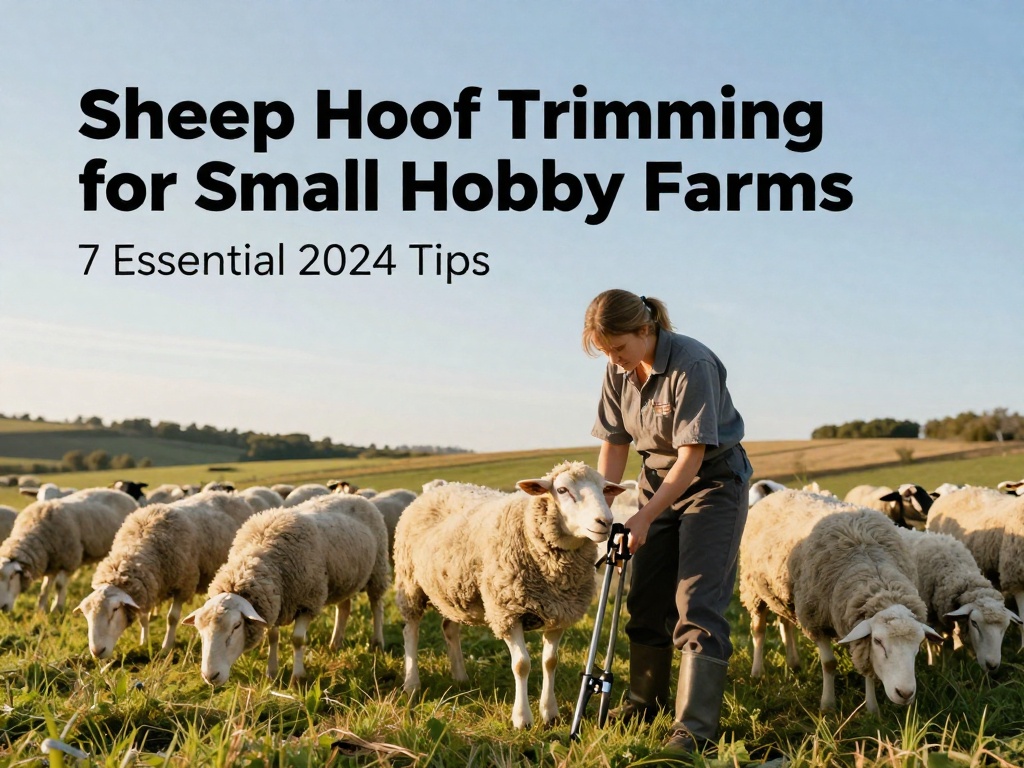
Sheep Hoof Trimming for Small Hobby Farms: 7 Essential 2024 Tips
If you own a small flock of sheep on your hobby farm, sheep hoof trimming for small hobby farms is one of the most critical routine care tasks you can master to protect your animals’ long-term health. Overgrown hooves lead to painful conditions like foot rot, lameness, and reduced mobility, which can cut your sheep’s lifespan and productivity. Most hobby farmers can learn to trim hooves safely in a single afternoon, eliminating the need to hire expensive large-scale farm services for small flocks.
Why Regular Hoof Trimming Matters for Small Hobby Flocks
Common Health Risks of Neglected Hooves
Neglected sheep hooves curl and split, creating small openings for bacteria that cause foot rot, a highly contagious condition that can wipe out an entire small flock in months. The United States Department of Agriculture (USDA) reports that lameness affects up to 20% of unmanaged small sheep flocks, with overgrown hooves being the leading preventable cause. Lame sheep also struggle to graze, access water, and breed, leading to weight loss and low lambing rates for your farm.
How Often Should You Trim Your Sheep’s Hooves?
For most small hobby farm breeds including Katahdin, Dorset, and Shetland, hooves need trimming every 6 to 8 weeks. Sheep that graze on soft, lush pasture may need more frequent trims, while those that spend time on rocky, gravel ground can go a week or two longer, as rough terrain naturally wears down hooves. Always check hooves during routine weekly health checks to catch overgrowth early before it causes harm.
7 Essential Pro Tips for Safe, Effective Hoof Trimming
1. Gather All Your Supplies Before You Start
Prepping your tools ahead of time keeps the process fast and low-stress for both you and your sheep. You’ll need:
- Sharp, specialty sheep hoof trimmers
- Stiff wire brush to clear caked mud and manure
- Animal-safe disinfectant for tools between sheep
- Styptic powder to stop minor bleeding
- A restraint, such as a DIY trimming stand or a helper to hold your sheep
2. Restrain Your Sheep Calmly to Avoid Injuries
Never start trimming before your sheep is fully secured, as sudden movements can lead to accidental cuts to the sensitive inner hoof. Most small sheep can be tipped safely onto their rump (a common hobby farmer restraint method) to stay still for 10 to 15 minutes of trimming. Talk to your sheep in a soft, steady voice to reduce stress, which makes the entire process faster for everyone involved.
3. Clean Each Hoof Thoroughly Before Trimming
Use your wire brush to scrape all debris from the hoof before you start cutting, so you can clearly see the white line that separates the hard outer hoof wall from the sensitive inner tissue. Mistaking the white line can lead to painful cuts that cause bleeding and infection, so always take the extra 30 seconds to clean each hoof properly. This step also lets you spot early signs of foot rot or abscesses before they spread.
4. Trim Only the Hard Outer Hoof Wall
Cut small, gradual pieces of the overgrown outer hoof wall to avoid nicking the inner soft tissue. Trim until the hoof lies flat, removing any cracked or split edges that could catch on fencing or pasture debris. Avoid over-trimming, as even excess removal of the hard outer wall can cause pain and mobility issues for your sheep.
5. Avoid Cutting the Sensitive "Quick" of the Hoof
The quick is the blood vessel and nerve bundle that runs through the inner part of the hoof, and cutting it causes pain and bleeding. If you have trouble locating the quick, hold the hoof up to a bright flashlight to see the shadow of the blood vessels through the outer wall. This simple trick helps new trimmers avoid common mistakes.
6. Disinfect Any Minor Cuts Immediately
If you nick the hoof or notice a small pre-existing wound, clean it with a vet-recommended antiseptic and apply a small amount of antibiotic ointment before turning your sheep back out to pasture. For small cuts to the quick, apply styptic powder to stop bleeding within 60 seconds. Monitor the sheep for 24 hours to ensure no complications develop.
7. Inspect for Signs of Illness Post-Trimming
Before you release your sheep, check every hoof for redness, swelling, or foul odors that signal early foot rot. If you spot warning signs, isolate the affected sheep and contact your large animal vet for a treatment plan. Catching foot rot in its first stage reduces the risk of it spreading to the rest of your flock by 90%, according to small flock health experts.
Frequently Asked Questions
How much does hiring a professional hoof trimmer cost for a small flock?
Professional trimmers typically charge $5 to $10 per sheep, plus a travel fee for small hobby farms outside their primary service area. For a flock of 5 sheep, that can add up to $75 or more per trim, making learning to trim hooves yourself a major cost-saver for most hobby farmers.
Can I use regular pruning shears to trim sheep hooves?
No, regular pruning shears are not designed to cut through the hard, thick hoof wall of a sheep, and they can crush the hoof instead of making a clean, precise cut. Specialty sheep hoof trimmers cost between $20 and $40 and will last for 5+ years with proper cleaning and maintenance, making them a worthwhile investment.
What do I do if I accidentally cut the quick and cause bleeding?
Apply a small amount of styptic powder or even cornstarch to the bleeding area to stop blood flow, then wrap the hoof in a clean, breathable bandage for 24 hours. Monitor the sheep for signs of infection over the next week, and contact your vet if you notice swelling, redness, or limping that lasts more than 48 hours.
No comments