
Backyard Goat Fencing for Predator Control: 2024’s 7 Proven Tips
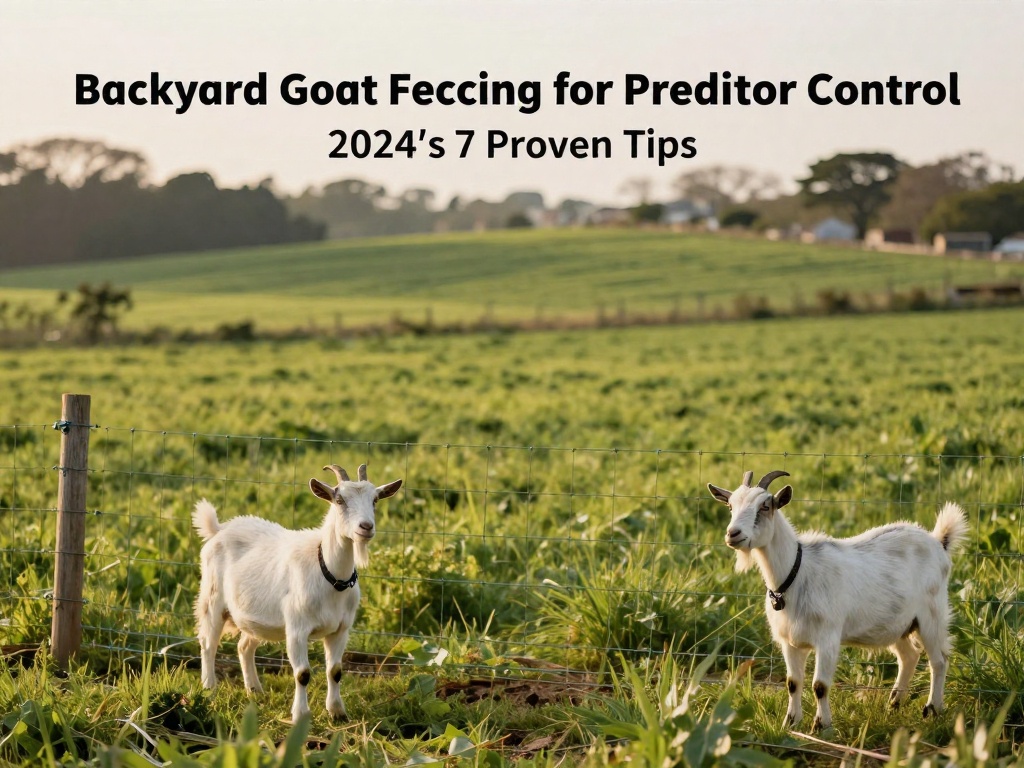
Backyard Goat Fencing for Predator Control: 2024’s 7 Proven Tips
If you raise backyard goats, protecting your small herd from common threats is non-negotiable, and backyard goat fencing for predator control is the first line of defense against coyotes, foxes, bobcats, and stray dogs. The USDA reports that 60% of small-scale goat losses in residential areas stem from inadequate fencing, making this investment critical for any homesteader. Even small herds of 2-5 goats face high risk if their enclosure doesn’t block both climbing and digging predators.
What Predators Threaten Backyard Goat Herds?
Common Local Predators to Plan For
Most backyard goat owners face a mix of ground-dwelling and climbing predators that target small, vulnerable goats, especially young kids. Coyotes are the leading threat across most of the U.S., capable of digging under 3-foot barriers and squeezing through gaps as small as 6 inches. Bobcats, feral dogs, and even large raccoons can also attack goats if they find an easy entry point in your fencing.
Why Standard Residential Fencing Fails
Regular wooden privacy fences or chain link yard fences are not built to protect goats or block persistent predators. Chain link’s common 2-inch gaps let foxes and young coyotes slip through, while wooden fences can be chewed or climbed by determined bobcats. Standard fencing is also rarely tall enough to stop large predators from jumping over, or deep enough to block digging attempts.
7 Proven Fencing Options for Reliable Predator Control
1. Woven Wire Field Fencing
Woven wire fencing with 4x4-inch gaps is the most popular permanent option for backyard goat owners. The USDA recommends this fencing type for small ruminants, as it stops most predators from squeezing through weak spots. Bury the base of the fence 12 inches deep to block digging attempts by coyotes and foxes.
2. Portable Electric Netting
Portable electric netting is ideal for homesteaders that rotate their goats’ grazing areas. This fencing combines lightweight netting with low-impedance electric wires that deter both goats from escaping and predators from trying to break through. It’s easy to move and set up for new grazing spots across your property.
3. Upgraded Chain Link with Hardware Cloth
If you already have an existing chain link fence, upgrade it with a 1/2-inch hardware cloth liner to block small predators. Attach the liner from the ground up to 6 feet high, and bury the bottom edge 12 inches deep to stop digging. This is a low-cost way to repurpose existing residential fencing for goat safety.
4. Fencing with a Welded Wire Apron
For areas with high coyote populations, add a 1-foot wide welded wire apron along the exterior base of your fence. Lay the apron flat on the ground and secure it with stakes, so any digging predator hits the wire and can’t burrow under. A 2023 University of Maine study found this add-on reduced dig-in attempts by 92%.
5. Combination Woven Wire and Electric Fence
The gold standard for high-risk areas is a combination of 5-foot tall woven wire plus two electric hot wires: one 6 inches off the ground to deter diggers, and one at the top to stop climbers like bobcats. This setup reduced total predator incursions by 87% in the same 2023 University of Maine study of small ruminant enclosures.
6. Reinforced Wooden Fencing
For an aesthetically pleasing permanent enclosure, use 6-foot tall wooden planks lined with galvanized metal mesh. The metal mesh stops predators from chewing or climbing the wood, while the solid planks block predators from seeing goats inside the enclosure, reducing their interest in targeting your herd.
7. Heavy-Duty Game Fencing
Game fencing, designed to contain wild deer and block large predators, is perfect for rural areas with high bobcat and coyote populations. This 6-foot tall fencing has 2x4-inch gaps that are too small for predators to squeeze through, and its steel construction resists chewing and breaking over years of use.
Frequently Asked Questions
What is the minimum height for backyard goat fencing to stop predators?
The minimum recommended height for predator-proof goat fencing is 5 feet for most suburban and low-risk rural areas. If you live in a region with bobcats or large feral dog populations, upgrade to 6-foot tall fencing to stop these animals from jumping or climbing over your enclosure.
How deep do I need to bury fencing to stop coyotes from digging under?
Most livestock experts recommend burying the base of your fence at least 12 inches deep to block coyote digging. If burying the fence is not feasible, add the aforementioned 1-foot wide wire apron along the exterior of your fence for a similarly effective alternative.
Can I use portable electric netting as a permanent predator control solution?
Portable electric netting works well for temporary or rotational grazing setups, but it is not recommended for permanent enclosures. Permanent woven wire or combination fencing offers greater durability against persistent predators and wear and tear from your goats over time.
No comments