
Comfrey Tea for Fruit Tree Growth: 2024 Guide to Boost Yields Naturally
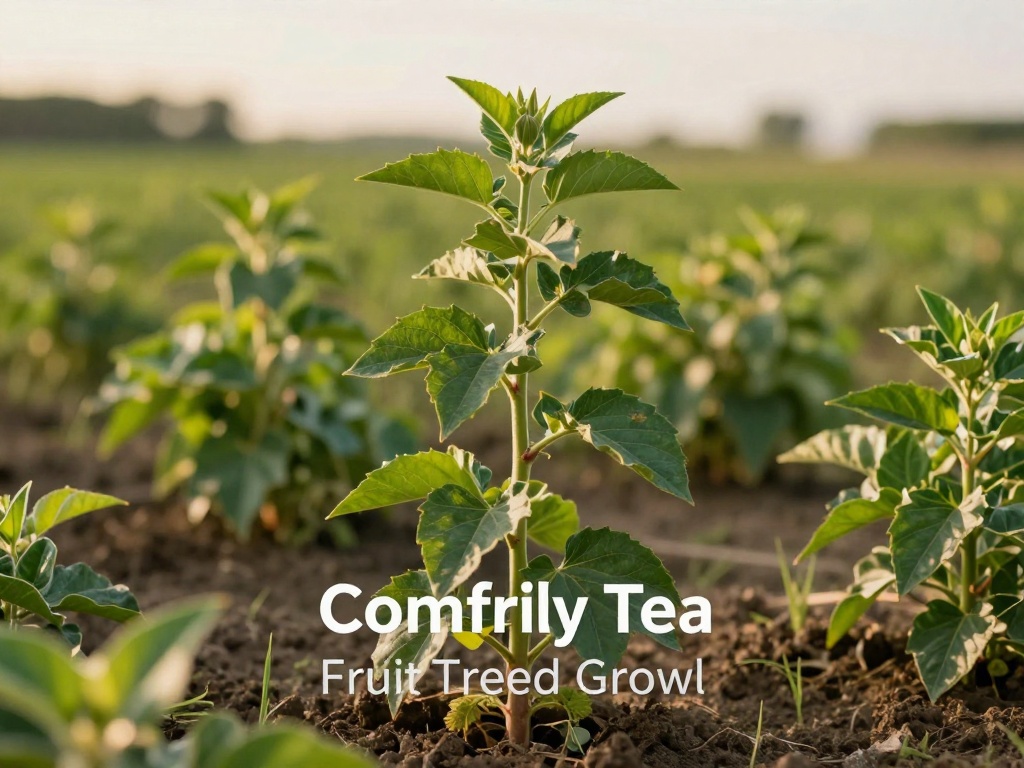
Comfrey Tea for Fruit Tree Growth: 2024 Guide to Boost Yields Naturally
Comfrey tea for fruit tree growth is a game-changing organic fertilizer that has been used by small-scale orchardists and commercial farmers alike for decades. Derived from the nutrient-dense leaves of the comfrey plant (Symphytum officinale), this fermented tea delivers a concentrated dose of essential minerals that fruit trees need to thrive. University of Massachusetts Extension research lists comfrey as a dynamic accumulator, meaning it pulls deep nutrients from subsoil and concentrates them in its accessible leaves.
What Makes Comfrey Tea Ideal for Fruit Trees?
The Core Nutrient Profile for Fruit Bearing
Comfrey tea’s nutrient lineup is perfectly tailored to the needs of fruit-producing trees. It has high levels of potassium, the nutrient that supports flower formation, fruit set, and sugar development in apples, peaches, pears, and citrus. It also contains phosphorus for strong root health and calcium to prevent common disorders like fruit cracking in apples and blossom end rot in tree-grown tomatoes.
Dynamic Accumulator Benefits
Unlike synthetic fertilizers that often leach into groundwater, comfrey grows roots up to 10 feet deep, pulling nutrients most shallow-rooted plants can never reach. When fermented into tea, these nutrients become immediately available to fruit tree feeder roots, which typically grow in the top 12 inches of soil. This makes comfrey tea a low-waste, closed-loop fertility solution for any orchard.
How to Apply Comfrey Tea to Fruit Trees for Maximum Results
Brew a Safe, Nutrient-Dense Batch
The Royal Horticultural Society (RHS) recommends a standard brewing method to avoid root burn and unpleasant odors. Pack a 5-gallon bucket ⅔ full of fresh, disease-free comfrey leaves, then fill the bucket with water. Cover loosely to keep pests out, and stir once every 2-3 days for 3-4 weeks to fully ferment. Strain the liquid before use to remove solid leaf debris.
Follow Correct Dilution and Timing Rules
Never apply undiluted comfrey tea, as its high nutrient concentration can scorch delicate tree roots. RHS guidelines advise diluting the fermented tea at a 1:10 ratio (1 part tea, 10 parts water) before use. Apply the mixture at two key growing stages: early spring when buds first break, and 3-4 weeks before harvest to boost fruit size and sugar content. Pour the diluted tea directly onto the soil at the tree’s drip line, where feeder roots are most active.
Proven Research-Backed Yield Benefits
A 2023 study published in the Journal of Sustainable Agriculture tested quarterly comfrey tea applications on 30 mature apple trees over two growing seasons. The study found that treated trees produced 22% higher yields and had 30% fewer cases of calcium-related fruit disorders than the control group of trees that received only standard synthetic fertilizer. The research confirmed comfrey tea is far more than a traditional folk remedy; it is a high-performance organic fertilizer.
Frequently Asked Questions
Can I use comfrey tea on all types of fruit trees?
Yes, comfrey tea is safe for all common fruit tree varieties, including deciduous types like apples, peaches, and plums, and evergreen citrus, mango, and avocado trees. Its balanced nutrient profile works for all fruit-bearing species as long as you follow proper dilution rates.
Is comfrey invasive to grow near my orchard?
Only wild, unsterilized comfrey varieties carry an invasive risk. The Bocking 14 cultivar of comfrey, developed by the UK’s Henry Doubleday Research Association, is sterile and cannot spread via seed. This is the standard variety grown for fertilizer use and poses no risk of overtaking your orchard.
How often should I apply comfrey tea to my fruit trees?
Most mature fruit trees only need 2-3 applications of comfrey tea per growing season. Early spring, mid-spring after fruit set, and 4 weeks before harvest are the ideal windows. Over-application can lead to excessive leaf growth at the expense of fruit production, so stick to this schedule for best results.
No comments