
Grape Vine Training for Backyard Vineyards: 5 Easy 2024 Methods to Boost Yields
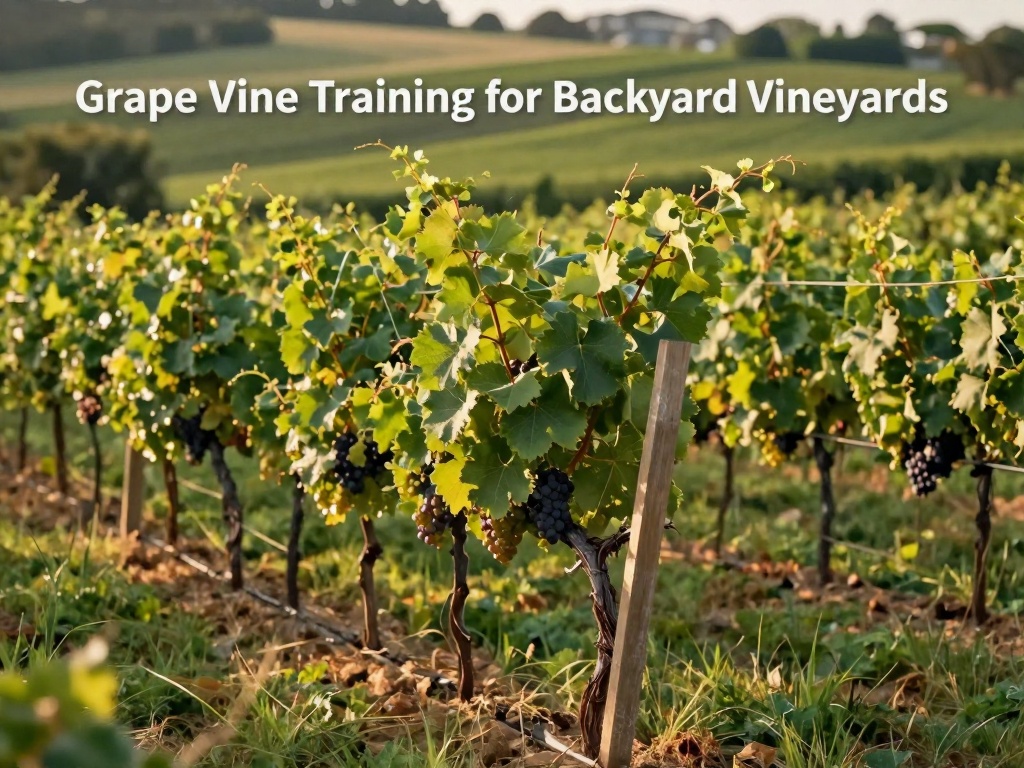
Grape Vine Training for Backyard Vineyards: 5 Easy 2024 Methods to Boost Yields
Grape vine training for backyard vineyards is more than just a decorative practice—it’s a critical step to growing healthy, high-yield grape clusters that thrive in small, residential spaces. Unlike commercial vineyards with acres of room, backyard growers need training systems that maximize sun exposure, improve airflow, and fit within limited yard space. According to the University of California Agriculture and Natural Resources (UC ANR), proper training can increase backyard grape yields by up to 30% while reducing the risk of common fungal diseases like powdery mildew.
Why Grape Vine Training Matters for Backyard Growers
Maximize Limited Yard Space
Most residential yards only have 10-20 square feet to dedicate to grape vines, so unstructured growth can quickly lead to overcrowding that smothers other plants and blocks sunlight from reaching your grape clusters. Training systems keep vines contained to trellises, arbors, or even vertical wall spaces, turning your grape vine into a functional landscape feature rather than an unruly weed.
Reduce Disease Risk
Fungal diseases thrive in dense, shaded foliage with poor airflow, a common issue for untrained backyard grape vines. Training spaces out canes and leaves to let sunlight penetrate and wind circulate through the plant, cutting moisture buildup that causes mold and rot. UC ANR data shows trained backyard vines have a 45% lower risk of developing powdery mildew than untrained vines.
Simplify Harvest and Maintenance
Trained vines keep all grape clusters at a reachable height, eliminating the need for ladders to harvest or prune your vines. You’ll also be able to spot pest infestations or damaged canes far earlier when your vine’s structure is open and organized, cutting down on time spent maintaining your vineyard each month.
5 Top Grape Vine Training Methods for Backyard Vineyards
Cordon Training (Beginner-Friendly All-Purpose Method)
Cordon training is the most recommended method for first-time backyard growers, per the Ohio State University Extension. This system trains a single main trunk with two permanent horizontal cordons (branches) that run along a trellis wire, with short fruiting canes sprouting from the cordons each year. It fits in most small trellis setups and requires minimal annual pruning to maintain.
Arbor Training (Decorative Multi-Use Method)
If you want your grape vine to double as a shade structure for a patio or walkway, arbor training is ideal. This method trains vines to grow over a wooden or metal arbor, with canes pruned to create a thick, leafy canopy that produces clusters hanging down for easy harvesting. It’s perfect for growers who want to combine landscape design with edible gardening.
Espalier Training (Space-Saving Wall Method)
For urban growers with zero extra yard space, espalier training trains vines to grow flat against a fence, exterior wall, or garage. This system uses a series of horizontal wires to guide canes into a flat, structured shape, taking up less than 2 feet of depth in your yard. It’s a top choice for small residential properties with limited outdoor space.
Guyot Training (Cold-Climate Resilient Method)
If you live in a region with harsh winter freezes (USDA zones 3-6), Guyot training is designed to protect your vine from frost damage. This system trains a single trunk with one or two fruiting canes that are laid down and covered with mulch during the winter, then reattached to the trellis in spring. It’s the go-to method for backyard vineyards in the Midwest and Northeast U.S.
Vertical Shoot Positioning (VSP) (High-Yield Small Plot Method)
For home winemakers who want to maximize their harvest from a 10x10 foot plot, VSP training trains shoots to grow upward through a series of trellis wires, keeping all foliage and clusters off the ground. This system maximizes sun exposure to every cluster, leading to larger, sweeter grapes that are ideal for small-batch winemaking or fresh eating.
Key Tips for Successful Grape Vine Training
Start Training in Your Vine’s First Dormant Season
You should begin training your grape vine within its first winter after planting, when the vine is dormant and free of leaves. This lets you shape the main trunk and primary canes before the vine starts putting on new spring growth, reducing stress on the plant.
Use Sturdy Trellis Materials
Fully mature grape vines can weigh more than 100 pounds, so flimsy wire or wooden stakes won’t support your vine long-term. Invest in 12-gauge trellis wire and pressure-treated wooden posts or metal stakes to avoid structural damage as your vine grows.
Prune Annually to Maintain Your Structure
Every dormant season, prune off any unneeded canes that grow outside your chosen training system. Overgrowth will undo your training, leading to overcrowding and reduced yields, so annual pruning is non-negotiable for long-term success.
Frequently Asked Questions
What is the easiest grape vine training method for beginner backyard growers?
Cordon training is the easiest method for first-time growers, as it requires minimal annual maintenance and works with most common small trellis setups. It’s also widely recommended by university extension services for its low barrier to entry.
How long does it take for a trained backyard grape vine to produce fruit?
Most trained grape vines will produce their first full harvest in their third year after planting. The first two years are dedicated to growing a strong root system and structured trunk, so you should remove any small clusters that form in years one and two to support long-term growth.
Can I train any grape variety for a small backyard vineyard?
Most seedless table grape varieties and small wine grape varieties work well for backyard training, but you should choose a variety suited to your local USDA hardiness zone. Native American varieties like Concord are particularly forgiving for new growers, while European wine grapes require more consistent maintenance.
No comments