
2024 Proven Japanese Beetle Control for Blueberry Crops: 7 Effective Tactics
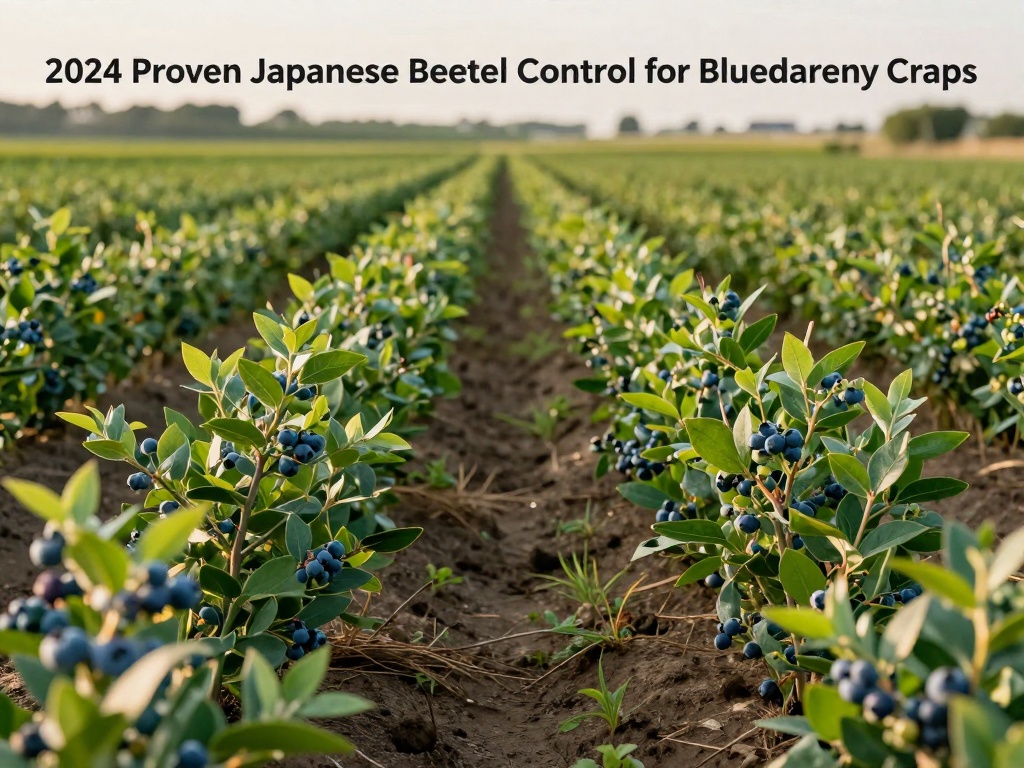
2024 Proven Japanese Beetle Control for Blueberry Crops: 7 Effective Tactics
Japanese beetle control for blueberry crops is non-negotiable for commercial and small-scale blueberry growers alike, as these invasive pests can destroy up to 30% of a season’s harvest if left unmanaged, per 2023 data from the USDA Agricultural Research Service (ARS). Blueberry plants are particularly vulnerable to adult beetles, which feed on foliage, fruit, and flowers, leaving plants unable to photosynthesize properly or produce marketable berries. Early detection and integrated pest management (IPM) strategies reduce crop loss while protecting the beneficial pollinators critical to blueberry production.
Why Blueberry Crops Are Prime Targets for Japanese Beetles
Unique Vulnerabilities of Blueberry Plants
Japanese beetles are drawn to the soft, sugar-rich foliage and ripening fruit of highbush and lowbush blueberry varieties, which are widely grown across the U.S. Midwest, Northeast, and Pacific Northwest. Adult beetles emerge from soil in early summer, coinciding with the blueberry ripening period, creating a perfect storm of pest pressure right when crops are most valuable. A 2024 University of Maine extension study found that unmanaged blueberry fields saw 27% higher unmarketable fruit rates than fields that implemented proactive pest control.
7 Proven Japanese Beetle Control Tactics for Blueberry Crops
1. Cultural Control Strategies
Cultural tactics form the first line of low-cost, sustainable pest defense. Rotate surrounding cover crops that repel Japanese beetles, like garlic or chives, to reduce adult beetle attraction to blueberry fields. Tilling soil between blueberry rows in late fall and early spring kills up to 60% of overwintering beetle larvae, per USDA ARS data. This simple step cuts future population growth before beetles can emerge to attack ripening crops.
2. Row Covers for Physical Exclusion
Floating row covers installed before adult beetles emerge in early summer block beetles from accessing blueberry plants while still allowing sunlight, water, and pollinator access if removed during bloom. This tactic is especially effective for small-scale blueberry operations, as it eliminates the need for synthetic pesticides entirely. 2023 Oregon State University small plot trials found row caps reduced beetle infestations by 90% in test fields.
3. Pheromone Traps for Monitoring and Mass Trapping
Pheromone and floral lure traps attract male and female Japanese beetles, reducing mating rates and overall population levels in blueberry fields. Place traps at least 50 feet away from blueberry rows to avoid drawing beetles directly to your crop, a common mistake that can worsen infestations. For commercial operations, use one trap per acre to monitor populations; trigger additional control measures if counts exceed 10 beetles per week.
4. Beneficial Nematodes for Soil-Borne Larvae
Entomopathogenic nematodes, naturally occurring microscopic worms, infect and kill Japanese beetle larvae living in the soil around blueberry root systems. Apply nematodes in late summer or early fall, when larvae are actively feeding near the soil surface, for a 70% reduction in larval survival, per University of Massachusetts extension data. This organic-approved tactic is safe for pollinators and leaves no harmful residues on blueberry fruit.
5. Organic-Approved Foliar Sprays
For acute infestations, organic sprays containing neem oil or food-grade pyrethrins kill adult beetles on contact while remaining safe for most beneficial insects if applied in early morning or late evening, when pollinators are not active. Never apply sprays directly to open blueberry flowers, as this can harm foraging bees. Reapply sprays every 7-10 days after heavy rain to maintain effectiveness.
6. Selective Synthetic Insecticides for Severe Infestations
For commercial growers facing extreme pest pressure, selective synthetic insecticides like chlorantraniliprole target Japanese beetles without harming pollinators when applied per label instructions. The EPA classifies this active ingredient as reduced-risk, and it has a 3-day pre-harvest interval, making it suitable for ripening blueberry crops. Always follow local extension guidelines before applying any synthetic pesticide to avoid regulatory violations.
7. Long-Term Landscape Diversification
Planting native trees and shrubs that repel Japanese beetles, like boxwood or red maple, around the perimeter of blueberry fields creates a natural barrier that reduces beetle migration into crop areas. Diversified landscapes also support natural beetle predators, like songbirds and parasitic wasps, that keep population levels low year after year. A 2024 University of Illinois study found this long-term strategy reduces reliance on annual pest control interventions by up to 40% over 5 years.
Key Best Practices to Maximize Control Efficacy
Timing is everything when implementing Japanese beetle control for blueberry crops, as beetles only feed and mate for a 6-8 week window each summer. Start monitoring for adult beetles 1-2 weeks before your local average emergence date, which you can access via your state’s cooperative extension service. Keep detailed records of infestation levels and control tactic outcomes to refine your strategy for future growing seasons.
Frequently Asked Questions
How do I identify a Japanese beetle infestation on my blueberry plants?
Adult Japanese beetles are easily recognizable with metallic green bodies and bronze wing covers, and they often feed in groups on blueberry foliage. Common signs of infestation include skeletonized leaves (only veins remaining), chewed ripening fruit, and clusters of beetles on the tops of plants. Larvae appear as white, C-shaped grubs that live in soil and feed on plant roots.
Are Japanese beetle control tactics safe for blueberry pollinators?
Most IPM-focused control tactics, including nematodes, row covers, and reduced-risk insecticides, are safe for pollinators when applied correctly. Avoid spraying any insecticide during blueberry bloom when bees are actively foraging, and always choose products explicitly labeled pollinator-safe to minimize risk to your farm’s ecosystem.
Can I completely eliminate Japanese beetles from my blueberry farm?
Complete eradication of Japanese beetles is unlikely for most growers, as these invasive pests can travel up to 5 miles from their original hatching site. However, consistent implementation of integrated control tactics can keep infestation levels low enough to avoid significant crop loss, protecting your harvest and profitability year after year.
No comments