
Potato Hilling Timing for Northern Gardens: 2024 Pro Guide to Max Yields
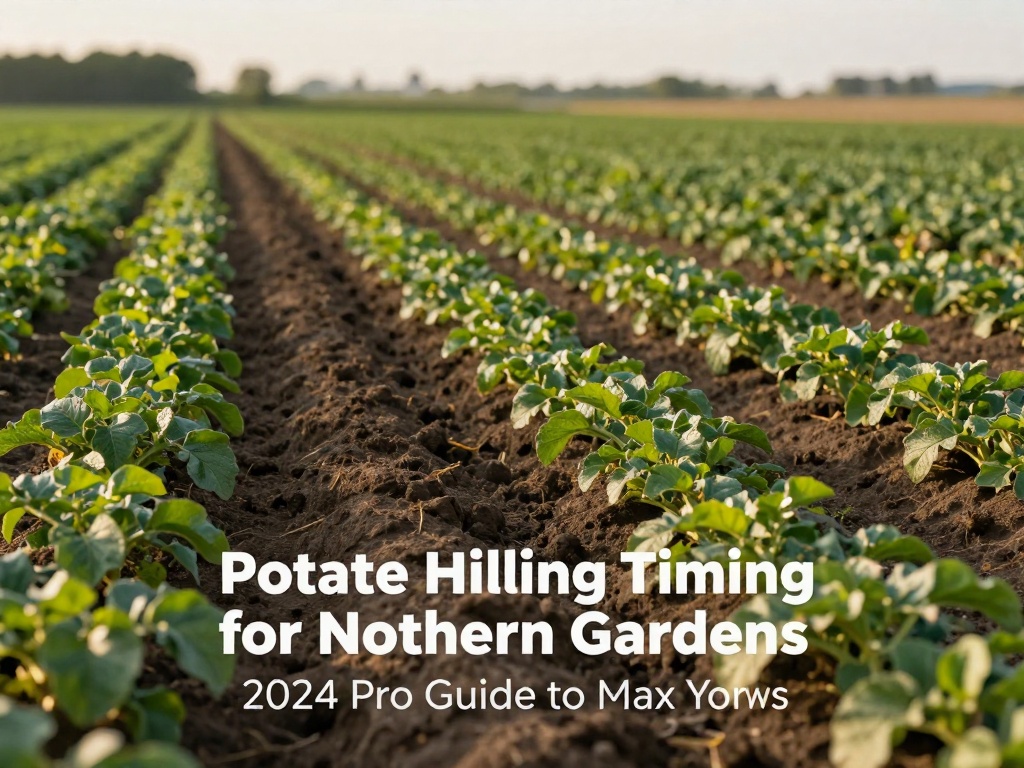
Potato Hilling Timing for Northern Gardens: 2024 Pro Guide to Max Yields
If you grow potatoes in USDA hardiness zones 1 through 5, perfecting potato hilling timing for northern gardens is non-negotiable for a high-yield, successful harvest. Northern climates face unique growing challenges: late spring frosts, short 90-120 day growing seasons, and cool soil temperatures that can stunt tuber development if you hill too early or too late. The University of Minnesota Extension reports that proper hilling increases potato yields by up to 25% by protecting tubers from sun exposure and damaging cold snaps.
What Is Potato Hilling, and Why Does It Matter for Northern Gardens?
Potato hilling is the process of mounding loose soil around the base of growing potato plants to cover emerging stems and shield underground tubers. For northern gardeners, this practice solves many of the region’s most common potato-growing pain points.
Protects Against Late Spring Frosts
Northern gardens regularly face light frosts as late as mid-June, which can kill young potato foliage and set back growth by weeks. Hilling covers tender lower stems, while extra soil or straw can insulate plants if an unexpected frost is forecast.
Prevents Green Tuber Formation
Potato tubers turn green when exposed to sunlight, producing solanine, a toxic compound that makes spuds inedible. Northern summers have long daylight hours, increasing the risk of sun exposure for unprotected tubers, making hilling even more critical.
Boosts Overall Tuber Production
Hilling encourages potato plants to grow additional tubers along the buried stems, effectively expanding the growing space underground. This leads to more spuds per plant, a major win for northern gardens with limited space for large crop plots.
Ideal Potato Hilling Timing for Northern Gardens
Northern gardeners follow a three-hill schedule aligned with local growing conditions to avoid common mistakes. This timeline is validated by Cornell University’s Northeast Regional Extension program for zones 1-5.
First Hilling: 2-3 Weeks After Plant Emergence
Most northern gardeners plant potatoes 2-3 weeks before the last frost date, leading to seedling emergence around mid-May. Hill your plants when they reach 6-8 inches tall, adding 4 inches of loose, well-draining soil around the base. Only cover the lower third of the foliage to avoid smothering growth.
Second Hilling: 2-3 Weeks After the First Hilling
By mid-June, your potato plants will have grown another 6-8 inches, making it time for the second hilling. Add another 3-4 inches of soil, repeating the process of only covering the lower section of the plant’s stems. This second mound protects newly forming tubers as the plant enters its active growth phase.
Final Hilling: No Later Than Mid-July
Northern potato plants set their mature tubers by mid-July, so any hilling after this point risks disturbing root systems and damaging developing spuds. Your final mound should reach 12-18 inches tall, enough to keep all tubers buried and protected through the typical early September harvest season for most northern zones.
Pro Tips to Nail Hilling for Northern Potato Crops
- Test soil temperatures before your first hilling: aim for 45°F or higher to avoid cold shock that can stunt young root growth.
- Use compost-amended soil for mounds, which drains well during the heavy summer rains common in most northern regions.
- Add a 3-inch layer of straw mulch after your final hilling to insulate tubers from cool early fall temperatures that can slow maturation.
- If an unexpected late frost is forecast, add a temporary 2-inch layer of straw over the entire plant to protect foliage, removing it once temperatures rise above freezing.
Frequently Asked Questions
Can I hill my northern potatoes too early?
Hilling too early, before plants reach 6 inches tall, can smother young foliage and slow overall growth. If a late frost is forecast, you can add a thin temporary layer of straw, but stick to the standard 2-3 week post-emergence timeline for permanent first hilling.
What if I miss the mid-July final hilling window?
If you pass mid-July, avoid disturbing the soil around your potato plants. Tubers have already begun developing, and mounding can damage root systems. Instead, add a 2-inch layer of straw to block sunlight from reaching any exposed tubers.
Does potato hilling protect against northern garden pests?
Proper hilling reduces pressure from common northern pests like Colorado potato beetles, as mounded soil makes it harder for beetles to lay eggs on lower foliage. Pair hilling with annual crop rotation for the best pest control results, per Michigan State University Extension.
No comments