
Buckwheat Cover Crop for Pollinator Habitat: 2024’s Top Farming Guide
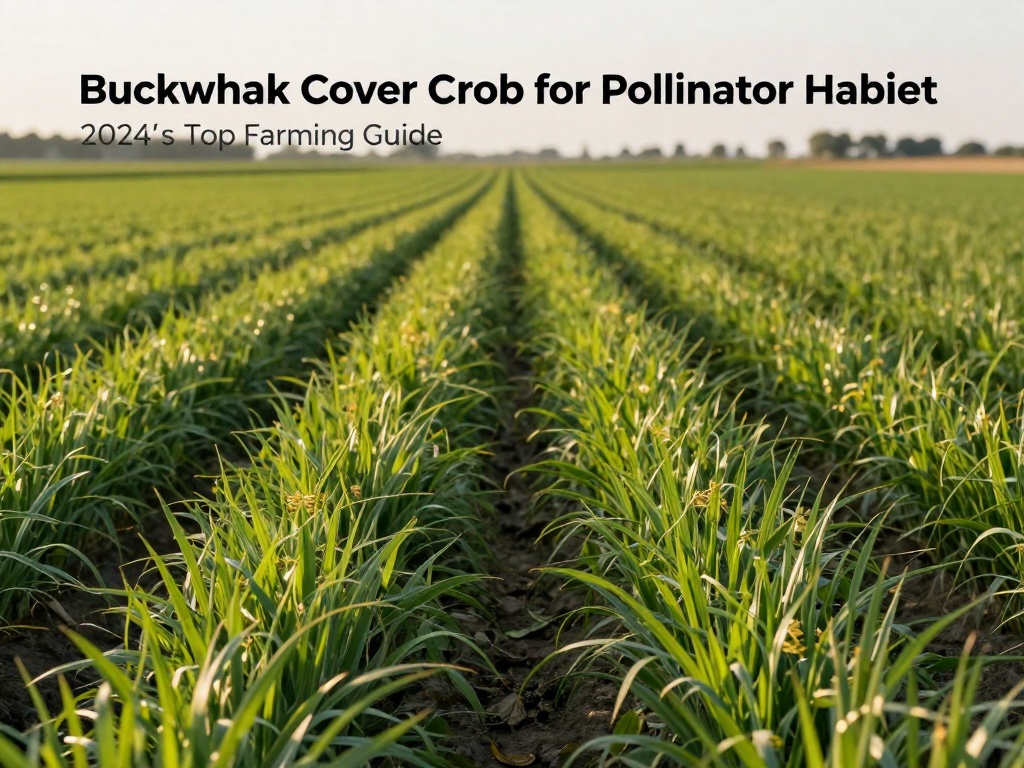
Buckwheat Cover Crop for Pollinator Habitat: 2024’s Top Farming Guide
The buckwheat cover crop for pollinator habitat is one of the most underutilized tools for regenerative and commercial farmers alike. Fast-growing, low-maintenance, and nutrient-dense, buckwheat delivers dual benefits for soil health and native pollinator populations. A 2023 study from the Xerces Society found that buckwheat plantings increase local bumblebee activity by 75% within just three weeks of planting.
Why Buckwheat Outperforms Other Cover Crops for Pollinators
Many cover crops support soil health, but few deliver the same pollinator-focused benefits as buckwheat. Unlike clover or rye, which bloom late or produce limited nectar, buckwheat is purpose-built to feed and attract native bees, honeybees, butterflies, and beneficial predatory insects that control farm pests. USDA data confirms that buckwheat produces 2x more nectar per square foot than common clover cover crops.
Fast Bloom Cycle Supports Extended Pollinator Activity
Buckwheat begins blooming just 3 to 4 weeks after planting, far faster than most other pollinator-friendly cover crops. This quick turnaround lets farmers fill gaps in bloom schedules between cash crops, ensuring pollinators have a consistent food source all growing season. It also works well for quick plantings after early-season cash crop harvests to extend habitat into the fall.
Nectar-Rich Flowers Attract A Wide Range Of Pollinator Species
Buckwheat’s small, clustered white flowers are accessible to pollinators of all sizes, from tiny sweat bees to large bumblebees and swallowtail butterflies. A 2022 study from Penn State University found that buckwheat plantings attract over 50 native pollinator species, compared to just 18 for grass-only cover crop mixes. This broad appeal supports local biodiversity far better than single-species pollinator plantings.
Low Input Requirements Reduce Farm Burden
Buckwheat grows well in poor, low-nutrient soils and requires no additional fertilizers or pesticides to thrive, making it a low-cost addition to any farm rotation. It also suppresses common weeds like common lambsquarters and pigweed, reducing the need for herbicide applications ahead of cash crop planting. This low-input model makes it accessible for small-scale and large commercial farms alike.
How to Plant Buckwheat for Maximum Pollinator Benefits
To get the most out of your buckwheat cover crop for pollinator habitat, follow simple planting best practices tailored to your region’s climate and cash crop schedule. These steps ensure your buckwheat bloom aligns with peak pollinator activity and delivers long-term soil and ecosystem benefits.
Time Plantings for Season-Long Bloom
Stagger buckwheat plantings every 2 to 3 weeks starting in late spring to create a continuous bloom through early fall. This staggered approach avoids a single short bloom period that leaves pollinators without food for months. For most USDA hardiness zones, the last buckwheat planting can occur 6 weeks before the first expected frost to ensure it blooms before cold weather sets in.
Follow Recommended Seeding Rates
Broadcast buckwheat seeds at a rate of 50 to 60 pounds per acre for solid stands, or 20 to 30 pounds per acre if mixing with other cover crops. Seeding at the correct rate ensures a dense canopy that suppresses weeds and produces enough flowers to support large pollinator populations. Avoid over-seeding, which can lead to poor air flow and increased risk of fungal disease in wet climates.
Pair Buckwheat With Complementary Cover Crops
Mix buckwheat with other pollinator-friendly cover crops like phacelia, clover, and sunflower to extend the bloom season and support even more species. This multi-species mix also improves soil health by combining deep-rooted and shallow-rooted plants that pull nutrients from different soil layers. The Xerces Society recommends this mix for Midwest and Northeast US farms, where pollinator populations have declined by 40% since 2000.
Additional Farm Benefits of Buckwheat Plantings
Beyond supporting pollinators, buckwheat delivers a range of financial and agronomic benefits for farmers. It scavenges excess phosphorus and calcium from the soil, making those nutrients available for subsequent cash crop plantings and reducing the need for synthetic fertilizers. It also attracts beneficial predatory insects like lacewings and ladybugs that control common pests like aphids and spider mites.
A 2023 Iowa State University study found that farms planting buckwheat saw a 12% increase in cash crop yields the following season, thanks to improved pollination and soil health. This return on investment makes buckwheat a low-risk, high-reward addition to any farm’s crop rotation plan.
Frequently Asked Questions
How long does buckwheat bloom last after planting?
Buckwheat blooms for 3 to 4 weeks after it first flowers, which is why staggered plantings are recommended to extend the food source for pollinators. After the bloom period, the plant produces seeds and dies back naturally, making it easy to incorporate into soil or terminate before planting cash crops.
Is buckwheat an invasive species that will spread out of control?
No, buckwheat is not classified as invasive in any US state, and it dies back after the first hard frost, so it will not persist outside of planned planting areas. It also does not spread aggressively, making it a safe addition to any farm, community garden, or residential plot.
Can I plant buckwheat as a cover crop in a small home garden?
Absolutely, buckwheat works well for small spaces, not just large commercial farms. Plant a 10x10 foot patch of buckwheat to support local pollinators and improve your garden’s soil health, with a seeding rate of just 1 pound of seed for every 1,000 square feet of garden space.
No comments