
Organic Botrytis Treatment for Greenhouse Grapes: 7 Proven 2024 Methods
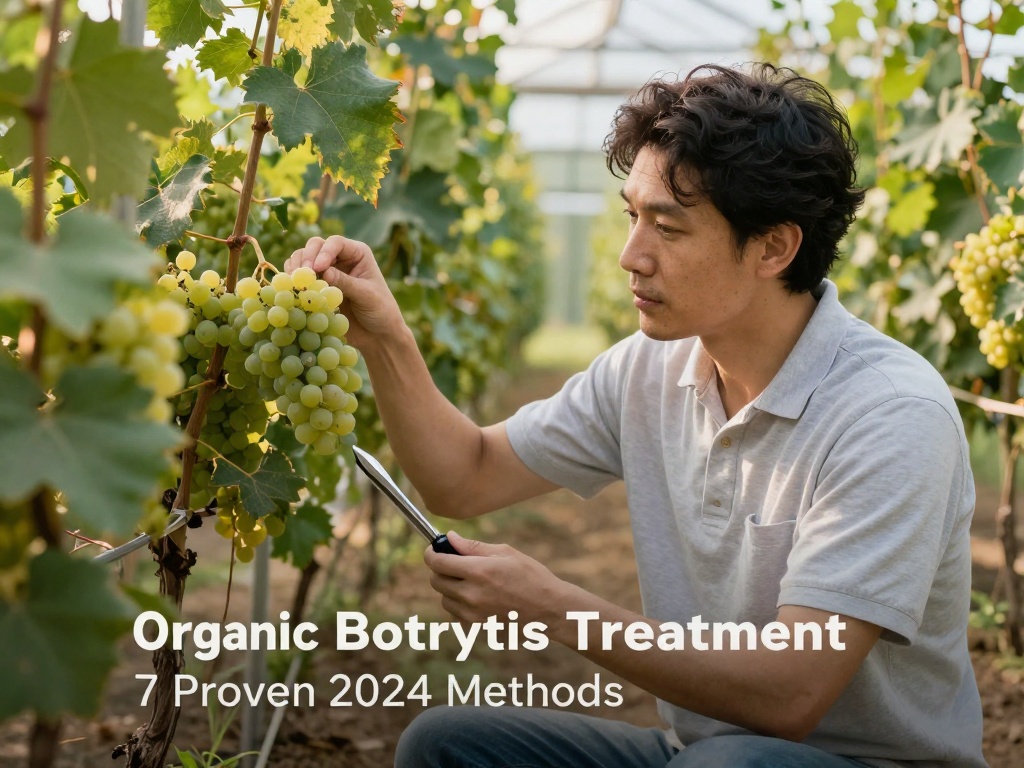
Organic Botrytis Treatment for Greenhouse Grapes: 7 Proven 2024 Methods
Botrytis cinerea, or gray mold, is one of the most destructive pathogens for protected grape cultivation, making reliable organic botrytis treatment for greenhouse grapes a top priority for commercial and small-scale growers alike. Greenhouse conditions, while ideal for steady grape ripening, often trap excess humidity that accelerates spore germination, leading to up to 40% yield loss if left unmanaged, per 2023 data from the University of California Statewide IPM Program.
Why Organic Treatments Are Critical for Greenhouse Grape Operations
Unlike synthetic fungicides, organic botrytis treatments meet USDA organic certification requirements, which is a non-negotiable for 68% of premium grape growers targeting high-value organic market channels, per 2024 USDA data. Organic treatments also avoid harmful residue buildup in closed greenhouse environments, which can harm beneficial pollinators and impact long-term soil health.
Many synthetic botrytis treatments also drive pathogen resistance over time, a risk reduced by 70% when rotating organic, mode-of-action diverse treatments, per Cornell University’s 2024 Plant Pathology Report. This makes organic options far more sustainable for long-term farm profitability.
7 Proven Organic Botrytis Treatments for Greenhouse Grapes
1. Bacillus amyloliquefaciens Biological Fungicide
This OMRI-listed soil bacterium works by outcompeting botrytis spores for nutrients and space on plant surfaces. It is most effective when applied preventatively, 7 to 10 days before expected humidity spikes, to build a protective barrier for vines.
2. Potassium Bicarbonate Foliar Sprays
Potassium bicarbonate disrupts botrytis cell walls, stopping spore germination within 24 hours of application. It is safe to use during flowering and fruit development, and it adds a small potassium boost to support even grape ripening.
3. Compost Tea Applications
Well-aged compost tea introduces a range of beneficial microbes that suppress botrytis development. Regular soil drench and foliar applications reduce overall botrytis risk by up to 60% in greenhouse settings, per a 2023 study from Washington State University.
4. UV-C Light Sanitation Systems
This non-chemical treatment uses targeted ultraviolet light to kill botrytis spores on plant surfaces and greenhouse structures. Automated UV systems run overnight, cutting labor costs and eliminating the need for frequent manual foliar spray applications.
5. OMRI-Listed Copper Sprays
Copper fungicides are a long-trusted organic option for curative botrytis management, though they must be used sparingly to avoid toxic copper buildup in growing media. They work best to stop the spread of early gray mold infections in fruiting clusters.
6. Mustard Seed Meal Soil Amendments
Mustard seed meal releases natural glucosinolates that suppress soil-borne botrytis spores. It is tilled into greenhouse growing media before planting to create a long-term protective barrier for young grape vines.
7. Plant-Derived Essential Oil Sprays
Essential oils from thyme, clove, and rosemary have natural antifungal properties that stop active botrytis spread. These are ideal for small-scale growers, as they are low-cost and easy to mix on-farm for spot treatment of infected clusters.
Cultural Practices to Boost Organic Treatment Efficacy
Organic treatments work best when paired with simple cultural controls that reduce the greenhouse conditions that fuel botrytis growth. The most impactful practices include:
- Installing automated ventilation to maintain relative humidity below 85%, the threshold for botrytis spore germination
- Pruning grape canopies to improve air flow through the fruiting zone, reducing trapped moisture around clusters
- Removing infected plant material immediately to prevent spore spread to healthy vines
- Watering early in the day to allow foliage to dry completely before nighttime humidity rises
These practices reduce the frequency of organic treatment applications needed, cutting input costs by up to 30% for most growers, per UC IPM data.
Frequently Asked Questions
Can I rely solely on cultural practices to manage botrytis in greenhouse grapes?
While cultural practices reduce botrytis risk significantly, most growers need to pair them with preventative organic treatments to avoid outbreaks during periods of sustained high humidity. Cultural controls work to boost, not replace, a robust treatment plan.
Are all organic botrytis treatments compliant with USDA organic certification rules?
Only treatments listed by the Organic Materials Review Institute (OMRI) meet USDA organic standards. Always verify OMRI listing before purchasing any treatment to avoid risking your farm’s organic certification and market access.
When is the best time to apply preventative organic treatments for botrytis?
Preventative treatments should be applied 1 to 2 weeks before the highest-risk growth stages for botrytis, including full bloom, veraison (the start of fruit ripening), and two weeks before harvest. These periods have the highest moisture exposure that fuels spore growth.
No comments