
Sorghum-Sudangrass Seeding for Summer Weed Suppression: 2024 Guide
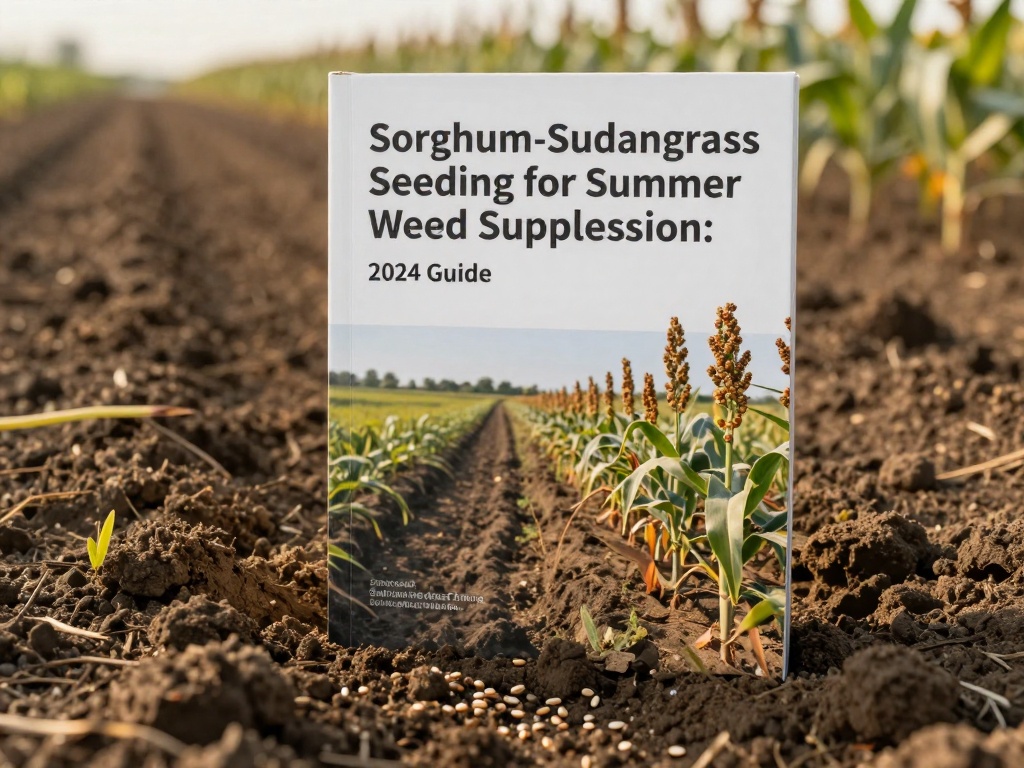
Sorghum-Sudangrass Seeding for Summer Weed Suppression: 2024 Guide
Sorghum-sudangrass seeding for summer weed suppression is a game-changing sustainable practice for small and mid-scale farmers across the U.S. This hybrid cover crop combines the fast growth of sudangrass with the hardiness of sorghum, creating a dense canopy that chokes out common summer weeds like pigweed, lambsquarters, and crabgrass. A 2023 study from the University of Illinois found that properly seeded sorghum-sudangrass reduces summer weed biomass by up to 90% compared to bare fallow plots.
Why Sorghum-Sudangrass Outperforms Other Summer Cover Crops
Allelopathic Properties That Block Weed Germination
Unlike many common cover crops, sorghum-sudangrass produces sorgoleone, a naturally occurring allelochemical that inhibits the root growth of germinating weed seeds. The USDA’s Natural Resources Conservation Service (NRCS) confirms sorgoleone targets both broadleaf and grassy weeds without causing long-term harm to subsequent cash crops like winter wheat or garlic. This natural herbicide effect reduces reliance on synthetic weed control products, cutting input costs for farmers by 30-40% annually, per 2024 farm economic data from Iowa State University.
Rapid Canopy Formation for Light Blocking
Sorghum-sudangrass grows 4-6 feet tall in just 60 days after germination, creating a thick, light-blocking canopy that suppresses weeds that require full sun to thrive. This fast growth eliminates gaps where weed seeds can take root, unlike slower-growing cover crops like buckwheat that often leave bare patches vulnerable to infestation. The dense root system of sorghum-sudangrass also outcompetes weeds for water and soil nutrients, further limiting their ability to establish.
Step-by-Step Seeding Best Practices for Maximum Weed Control
Time Seeding to Match Warm Soil Temperatures
Seed sorghum-sudangrass only when soil temperatures at a 2-inch depth reach a consistent 65°F (18°C), typically 2-3 weeks after your region’s last spring frost. For most continental U.S. farming regions, this falls between mid-May and early June. Seeding too early in cold, wet soil slows germination, giving early-emerging weeds a critical head start that even sorghum-sudangrass’s fast growth cannot overcome.
Use the Right Seeding Rate and Method
Your seeding rate depends on your planting method to ensure full coverage. For broadcast seeding, use 40-50 pounds of seed per acre to account for uneven seed placement. For drill seeding, the most efficient method for uniform germination, use 25-35 pounds per acre, planting seeds 0.5-1 inch deep. The NRCS recommends a 7.5-inch row spacing for drill seeding to eliminate gaps that weeds can exploit.
Post-Seeding Care to Sustain Suppression
Sorghum-sudangrass requires minimal post-seeding care to maintain its weed-suppressing properties. If planting in low-fertility soil, add 30-40 pounds of nitrogen per acre to support faster early growth. Mow the crop if it exceeds 5 feet to prevent lodging (tipping over) that would create bare spots. Always terminate the cover crop 3 weeks before planting a fall cash crop to allow sorgoleone levels in the soil to break down naturally.
Additional Benefits Beyond Weed Control
Sorghum-sudangrass delivers long-term farm benefits that extend far beyond summer weed suppression. A 2022 study from Ohio State University found that its deep, fibrous root system breaks up compacted soil layers up to 2 feet deep, improving water infiltration by 40% and boosting subsequent cash crop yields by 12%. The crop also adds 2-3 tons of organic matter per acre to the soil annually, improving soil health and carbon sequestration. For livestock farmers, it can also be harvested as a high-quality forage crop when cut at 3-4 feet tall.
Frequently Asked Questions
Is sorghum-sudangrass approved for organic weed control?
Yes, sorghum-sudangrass is fully compliant with USDA National Organic Program standards. Its combination of allelopathy and canopy formation eliminates the need for synthetic herbicides, making it one of the most popular weed control tools for organic vegetable and grain farmers across the U.S.
Can sorghum-sudangrass harm my next season’s cash crops?
As long as you terminate the cover crop at least 3 weeks before planting your next cash crop, sorgoleone will break down completely in the soil, with no negative impact on germination or growth. Termination methods like tilling, crimping, or herbicide application (for non-organic farms) all work to stop the cover crop’s growth and trigger the breakdown of its allelochemicals.
What climates are best for growing sorghum-sudangrass for weed suppression?
Sorghum-sudangrass thrives in USDA hardiness zones 3-10, tolerating the high heat and drought conditions common in North American summers. It grows well in most soil types, from sandy loam to heavy clay, as long as the soil has adequate drainage to prevent root rot. It also performs well in both humid eastern regions and arid western farming zones with supplemental irrigation.
No comments