
Organic Carrot Thinning for High Yield Gardens: 2024 Pro Tips to Boost Harvests
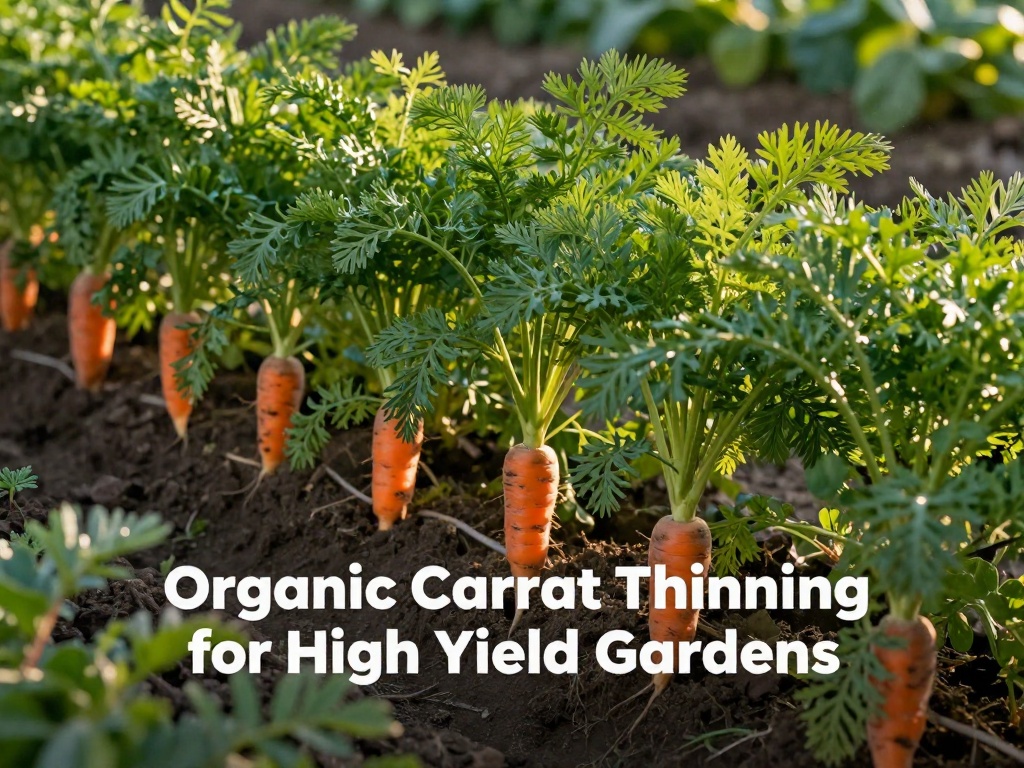
Organic Carrot Thinning for High Yield Gardens: 2024 Pro Tips to Boost Harvests
Organic carrot thinning for high yield gardens is one of the most overlooked yet impactful steps to grow a bumper crop of healthy, uniform carrots. Carrot seeds are tiny, so most gardeners sow multiple seeds per hole to ensure germination, which leads to overcrowding if left unaddressed. Without proper thinning, carrots will compete for nutrients, sunlight, and root space, resulting in stunted, twisted, or split roots that ruin your harvest.
Why Organic Carrot Thinning Drives Higher Yields
A 2023 USDA study on small-scale vegetable production found that overcrowded root vegetables, including carrots, produce up to 42% less marketable yield than properly spaced crops. Overcrowded carrots fight for underground nutrients, so they can’t develop the broad, sweet roots that make homegrown carrots a garden staple.
Common Risks of Skipping Thinning
- Stunted or misshapen roots that are unfit for consumption or long-term storage
- Increased risk of fungal diseases, as poor air circulation traps moisture around foliage
- Higher pest pressure from carrot rust flies, which target weak, overcrowded plant stands
- Wasted garden space, as you’ll get 30-40% fewer usable carrots from the same plot size
Step-by-Step Organic Carrot Thinning Process
Time Your First Thin Correctly
Complete your first thin 10-14 days after germination, once seedlings develop their first set of true leaves. Never pull unwanted seedlings, as this can disturb the root systems of the healthy carrots you want to keep. Instead, snip extra seedlings at soil level with small, sharp kitchen shears to eliminate root disturbance entirely.
Complete a Second Thin for Final Spacing
Three to four weeks after your first thin, when carrot tops reach 4 inches tall, complete a second round of thinning to lock in final spacing. For most standard carrot varieties, space seedlings 2-3 inches apart to give roots enough room to expand. Large heirloom carrot varieties, like Danvers Half Long, need 3-4 inches of spacing to reach their full 7-inch mature root size.
You can add thinned baby carrot tops to salads or pestos to reduce food waste, turning your thinning process into an extra early harvest from your garden.
Organic Post-Thinning Tips to Maximize Yield
Thinning alone isn’t enough to maximize your carrot harvest. Pair your thinning routine with organic practices to support steady root growth. First, add a 1-inch layer of composted leaf mold around carrot rows after your final thin to add slow-release nitrogen and potassium, both critical for root development, per Oregon State University Extension’s 2024 organic vegetable production guide.
Water consistently at 1 inch of water per week, as uneven watering after thinning can cause root splitting. Mulch around carrot rows with straw to lock in moisture and suppress weeds that would compete with your carrots for limited soil nutrients.
Frequently Asked Questions
When is the best time to thin organic carrots?
Complete your first thin 10-14 days after germination, once seedlings develop their first set of true leaves. A second final thin should happen 3-4 weeks later, once carrot tops reach 4 inches tall to avoid overcrowding as roots mature. Thinning during cool, cloudy mornings also reduces stress on remaining seedlings.
Can I replant thinned carrot seedlings to grow more carrots?
While it is technically possible to replant thinned carrots, the success rate is less than 15% for most home gardeners. Carrot roots are extremely fragile, and even minor disturbance can prevent the seedling from developing a healthy edible root. It is far more productive to use thinned seedling tops for cooking rather than trying to replant them.
How much spacing do carrots need after the final thin?
Standard small to medium carrot varieties, like Nantes or Baby carrots, need 2-3 inches of spacing between plants after the final thin. Larger heirloom or storage carrot varieties, like Danvers or Chantenay, need 3-4 inches of space to support their full mature root size and avoid stunted growth or yield loss.
No comments